
Vegetables
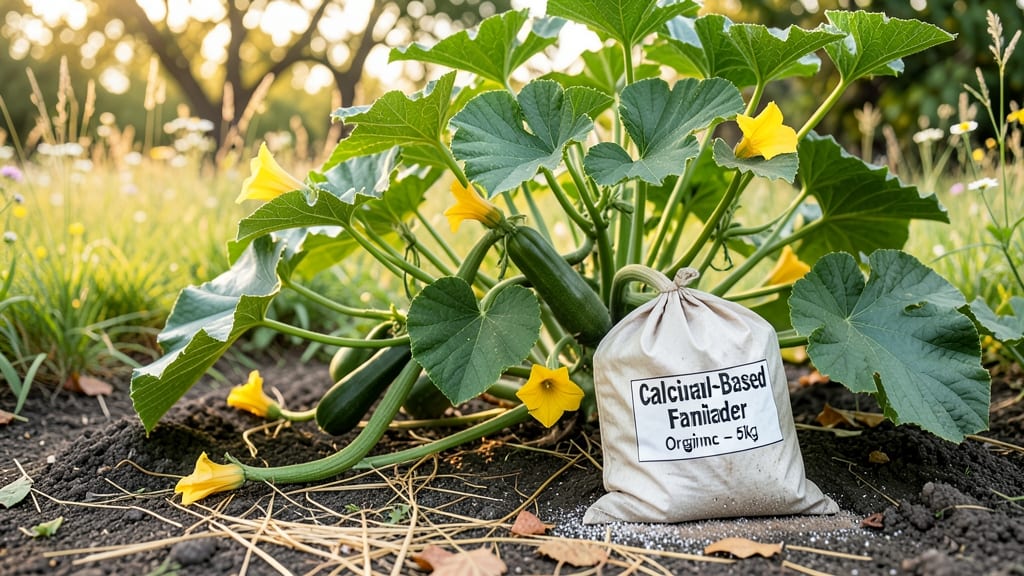
Calcium for squash is essential for preventing blossom-end rot, strengthening cell walls, and ensuring healthy fruit development. Without enough calcium, plants suffer from weak stems, poor yield, and deformed growth, requiring soil amendments like crushed eggshells or lime to correct deficiencies quickly.
Calcium isn't just important—it's the backbone of your squash plants' health.
When your plants lack this mineral, they can't properly transport nutrients, leading to weak structures and poor fruit quality. 🌱 I've seen firsthand how a simple deficiency can turn a thriving vine into a sad, stunted mess, especially in hot weather when calcium uptake slows. The good news?
You can fix it fast with organic amendments like eggshells or gypsum, which dissolve quickly in the soil.
What's interesting is how calcium works with other nutrients—too much potassium or magnesium can actually block calcium absorption. That's why I always recommend testing your soil before adding amendments.
A quick foliar spray with calcium nitrate can give plants an immediate boost when you notice early signs of deficiency, like yellowing leaves or small, misshapen fruits.
💡 In This Article
- How Calcium Deficiency Damages Squash Plants
- Fast Fixes for Low Calcium in Squash Gardens
How calcium deficiency damages squash plants
Calcium acts as the structural glue in squash cell walls, forming a compound called calcium pectate that gives fruits their firmness and prevents them from collapsing under their own weight.
When calcium levels drop below 0.05% in plant tissue, cell walls weaken dramatically, leading to the classic blossom-end rot—a dark, sunken spot that appears on the blossom end of squash.
This happens because calcium can't move freely through the plant's vascular system when soil moisture fluctuates rapidly, which is why hot, dry conditions often trigger deficiencies.
The damage goes beyond just cosmetic issues. Calcium deficiency also disrupts the plant's natural ethylene production, a hormone that regulates fruit ripening and shedding.
Without enough calcium, squash may develop bitter flavors and uneven textures, making them unmarketable. 🌱 What's fascinating is how calcium interacts with other nutrients—magnesium and boron compete for uptake, so an excess of either can actually worsen calcium deficiency symptoms.
This is why soil tests often reveal multiple nutrient imbalances when blossom-end rot appears.
You'll notice deficiency symptoms starting at the older leaves first, where the edges curl upward and develop a yellowish-brown discoloration. This happens because calcium is immobile in the plant—once it's used in older tissues, it can't be redistributed to new growth.
The vines themselves become weaker and more brittle, making them susceptible to breaking under the weight of developing fruits. In severe cases, the entire plant may exhibit stunted growth and reduced yield, sometimes by as much as 30-40%.
What makes calcium deficiency particularly tricky is how it manifests differently based on the squash variety. For example, zucchini and yellow squash show symptoms more quickly than butternut squash because of their faster growth rates.
The key is catching signs early—when you see the first signs of blossom-end rot, it's often already too late for that particular fruit, but you can still save the rest of the plant with immediate calcium treatment.
Calcium also plays a crucial role in the plant's water regulation system. When calcium levels are low, the plant struggles to maintain proper osmotic pressure in its cells, leading to wilting even when soil moisture appears adequate.
This is why calcium-deficient plants often show symptoms of drought stress despite being well-watered—a classic case of the plant being unable to utilize available resources effectively.
The good news is that calcium deficiencies respond quickly to correction, often showing improvement within 7-10 days of proper treatment. The challenge is preventing the problem in the first place by maintaining balanced soil chemistry and proper irrigation practices. 💫