
Plants
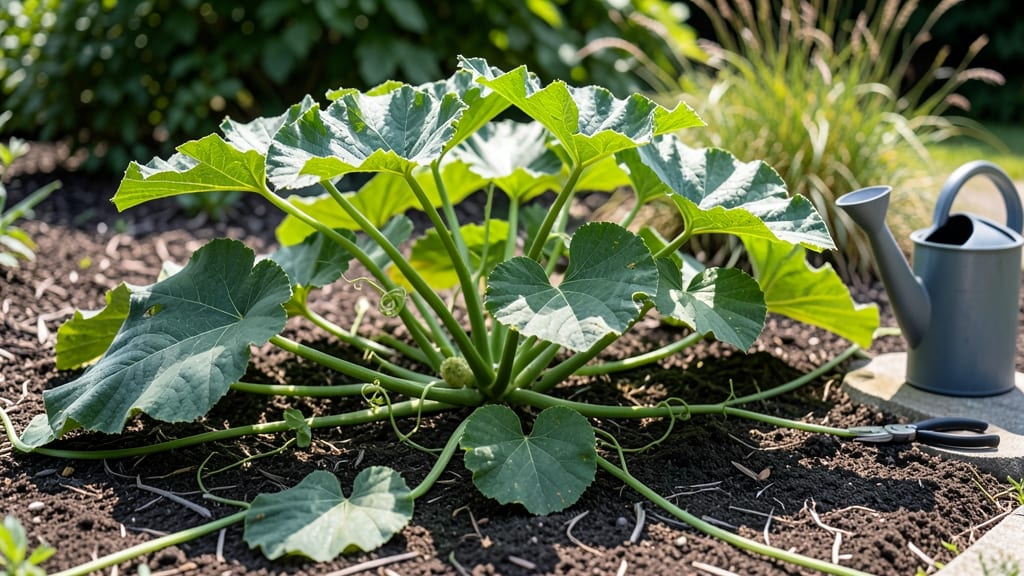
The plant leaves of a butternut squash are more than just green—they pack a nutty, earthy flavor perfect for stir-fries or salads, but even the best gardeners face issues like yellowing, spots, or pests. that turn vibrant foliage into a sad sight.
The good news? Most problems have simple fixes once you know what to look for.
Yellowing leaves often mean overwatering or poor drainage, while brown spots could signal fungal issues or pests like squash bugs. Wilting usually points to underwatering or root stress. The key is checking soil moisture (stick your finger in—it’s that simple) and inspecting leaves regularly for early signs.
Prevention starts with healthy soil, proper spacing, and keeping plants well-watered but not soggy.
For organic fixes, try neem oil for pests or copper fungicide for spots. Chemical options like insecticidal soap work fast but should be a last resort.
With the right care, your butternut squash leaves stay lush and tasty—ready to harvest alongside those sweet squashes. Here’s how to keep them thriving all season.
Whether you’re growing in backyard gardens or containers, these tips adapt easily. The secret? Pay attention to the leaves—they’re your first clue to what your plants truly need. Let’s get those greens growing strong!
Hidden Culprits Behind Leaf Issues
Butternut squash plants are resilient, but their leaves can still suffer from stress, pests, or diseases—often silently. Understanding the root causes helps you act fast and save your harvest.
Below, we break down the most common reasons why your butternut squash leaves might be looking less than perfect, along with the science behind each problem.
Butternut squash thrives in warm climates, but extreme heat or sudden temperature swings can shock the plant. When daytime temps exceed 90°F (32°C) or nights dip below 50°F (10°C), leaves may wilt, yellow, or develop brown edges. This happens because:
- Photosynthesis slows: High heat causes stomata (leaf pores) to close, reducing CO₂ intake and slowing growth.
- Cell damage: Heat stress triggers oxidative stress, breaking down chlorophyll and causing necrosis (dead tissue).
- Water imbalance: Roots struggle to absorb moisture in scorching soil, leading to dehydration despite adequate watering.
Actionable fix: Provide afternoon shade with shade cloth (30–50% coverage) and mulch with straw to regulate soil temps. Water deeply in the morning to reduce evaporation.
Butternut squash roots need consistent moisture but hate soggy soil. Overwatering or compacted, waterlogged soil cuts off oxygen, leading to:
- Root rot: Fungal pathogens like Phytophthora thrive in anaerobic (oxygen-free) soil, attacking roots and causing yellowing, wilting, or blackened stems.
- Nutrient lockout: Excess water flushes away essential nutrients (e.g., nitrogen, potassium), starving the plant even if soil looks moist.
- Leaf scorch: Poor drainage forces roots to "drown," while leaves may still appear dry due to disrupted nutrient transport.
Actionable fix:
- Test soil drainage: Dig a hole, fill it with water, and time how long it takes to drain. Ideal? 4–6 hours.
- Amend soil with compost or perlite to improve aeration.
- Water only when the top 1–2 inches of soil are dry.
Chew marks, holes, or sticky residue on leaves? Pests are likely the culprits. Here’s how they damage butternut squash:
| Pest | Damage Signs | Why It Happens |
|---|---|---|
| Squash bugs 🐞 | Serrated leaf edges, black feces, egg clusters on undersides. | Adults pierce leaves to feed, while nymphs suck sap, causing wilting and stunted growth. They thrive in warm, humid conditions. |
| Cucumber beetles 🐞 | Irregular holes, yellowing "scorch" patterns, silver streaks (viral transmission). | They transmit bacterial wilt and cucumber mosaic virus, which disrupt chlorophyll production and clog vascular tissue. |
| Aphids 🐜 | Curled, sticky leaves (from honeydew), black sooty mold. | They inject toxins while feeding, stunting growth. Their honeydew attracts ants and fungi, compounding stress. |
Actionable fix:
- Handpick pests early in the morning (drop them in soapy water).
- Use row covers to block beetles before flowers appear.
- Spray with neem oil or insecticidal soap (apply at dusk to avoid harming bees).
Damp leaves + poor airflow = fungal buffet. Butternut squash leaves often fall prey to:
- Powdery mildew (Erysiphe):
- White, powdery patches on upper leaves.
- How it spreads: Fungal spores germinate in humid conditions (>75% humidity) and block sunlight, reducing photosynthesis by 30–50%.
- Downy mildew (Pseudoperonospora):
- Yellow spots on top, fuzzy purple growth underneath.
- How it spreads: Thrives in cool, wet nights (50–75°F). Spores splash onto leaves via water droplets.
- Bacterial leaf spot (Xanthomonas):
- Water-soaked brown spots with yellow halos.
- How it spreads: Bacteria enter through wounds (e.g., from hail or pests) and clog xylem vessels, disrupting water/nutrient flow.
Actionable fix:
- Space plants 3–4 feet apart for airflow.
- Water at the base (avoid overhead sprinklers).
- Apply copper fungicide or baking soda spray (1 tsp baking soda + 1 quart water + drop of soap) weekly as preventive.
Yellowing, curling, or purple-tinged leaves often signal a nutrient deficiency. Here’s what’s missing and why:
| Symptom | Likely Deficiency | Why It Happens |
|---|---|---|
| Yellowing between veins (chlorosis). | Nitrogen (N). | Nitrogen is critical for chlorophyll production. Leaves turn yellow because the plant prioritizes moving nitrogen to new growth over old leaves. |
| Purple or red leaf undersides. | Phosphorus (P). | Phosphorus fuels energy transfer in cells. Under stress (e.g., cold or drought), the plant converts excess nitrogen into anthocyanins (purple pigments) as a survival tactic. |
| Brown, crispy edges on older leaves. | Potassium (K). | Potassium regulates water balance and enzyme activity. A deficiency causes cell membranes to weaken, leading to necrosis (dead tissue). |
| New leaves are small and pale. | Magnesium (Mg) or Iron (Fe). |
Revitalize Your Butternut Squash LeavesIf your butternut squash plant’s leaves are struggling—whether from pests, disease, or environmental stress—don’t panic! With the right care, you can nurse them back to health and even salvage the harvest. Below, we’ve mapped out practical fixes for common issues, along with prevention tips to keep your squash thriving. Let’s get those leaves looking lush again! Yellowing leaves are often a cry for help—either your plant is thirsty, drowning, or hungry. Here’s how to diagnose and fix it: #### 1️⃣ Check the Soil Moisture - 🔥 Root Cause: Overwatering or poor drainage suffocates roots, leading to yellowing. - 👨🍳 Fix It: - Stick your finger 1-2 inches into the soil. If it’s soggy, hold off on watering. - Improve drainage by mixing compost or perlite into heavy soil. - Ensure pots have drainage holes, or plant in raised beds for better airflow. - 💡 Prevention: Water deeply but infrequently—aim for 1 inch per week (adjust for rain). #### 2️⃣ Test for Nutrient Deficiencies - 🔥 Root Cause: Pale yellow leaves (especially older ones) signal nitrogen deficiency; yellowing between veins often means magnesium (potassium) lack. - 👨🍳 Fix It: - For nitrogen: Add well-rotted compost or a balanced organic fertilizer (10-10-10). - For magnesium: Sprinkle Epsom salt (1 tbsp per gallon of water) every 2-3 weeks. - For iron/chlorosis: Use chelated iron supplements if leaves are yellow with green veins. - 💡 Prevention: Mulch heavily (straw or grass clippings) to retain nutrients. Rotate crops yearly to avoid depletion.Chewed edges, sticky residue, or tiny holes? Pests are likely the culprits. Act fast—these critters multiply quickly! #### 1️⃣ Handpick & Spray (Non-Toxic Methods) - 🔥 Root Cause: Squash bugs, aphids, or spider mites suck sap, weakening leaves. - 👨🍳 Fix It: - Morning inspections: Shake plants over a bucket to drown pests (🐛💀). - Neem oil spray: Mix 1 tsp neem oil + 1 tsp mild soap + 1 quart water. Spray under leaves every 5-7 days. - Diatomaceous earth: Dust food-grade DE around the base (reapply after rain). - 💡 Prevention: Row covers (early in the season) block pests. Interplant with basil or marigolds to repel bugs. #### 2️⃣ Fungal Issues: Powdery Mildew or Blight - 🔥 Root Cause: White powdery spots or brown patches mean fungus (common in humid weather). - 👨🍳 Fix It: - Prune infected leaves immediately and dispose of them (don’t compost!). - Baking soda spray: Mix 1 tsp baking soda + 1 tsp oil + 1 quart water. Spray weekly. - Copper fungicide: Use organic copper spray for severe cases (follow label instructions). - 💡 Prevention: Space plants 3-4 feet apart for airflow. Water at the base (avoid wetting leaves).Extreme heat, cold, or wind can shock your squash leaves. Here’s how to shield them: #### 1️⃣ Shield from Heat & Wind - 🔥 Root Cause: Scorched or curled leaves from direct sun or windburn. - 👨🍳 Fix It: - Shade cloth: Use 30-50% shade fabric during peak sun (11 AM–3 PM). - Windbreaks: Plant tall sunflowers or corn as a natural barrier. - Mulch: Straw or black plastic mulch keeps roots cool and moist. - 💡 Prevention: Choose heat-tolerant varieties like ‘Waltham Butternut’ or ‘Gold Rush’. #### 2️⃣ Protect from Frost - 🔥 Root Cause: Blackened or mushy leaves after a cold snap. - 👨🍳 Fix It: - Frost cloth: Drape lightweight frost blankets over plants at night. - Row covers: Use floating row covers for early spring/fall planting. - Black plastic mulch: Warms soil faster in spring (remove when temps stay above 50°F). - 💡 Prevention: Plant in well-draining soil and after the last frost date (check your zone).Even if leaves are damaged, you can often harvest the greens (young, tender leaves are edible!) or save the squash itself. Here’s how: #### 1️⃣ Harvest Leaves for Cooking - ✨ When to Pick: - Harvest young leaves (4-6 inches long) before they toughen. - Avoid leaves with pesticide residue (wait 7+ days after treatment). - 👨🍳 How to Use: - Sauté: Cook like spinach (3-5 mins in olive oil + garlic). - Blend: Add to soups or smoothies (nutty, slightly sweet flavor). - Chop: Mix into pasta, stir-fries, or salads. #### 2️⃣ Save the Squash - 🍠 If leaves are dying but squash is healthy: - Prune all leaves above the squash to direct energy to fruit growth. - Fertilize lightly with low-nitrogen compost tea to support remaining leaves. - Harvest squash early if growth slows (they ripen faster with fewer leaves).With these fixes, your butternut squash plant should bounce back—and you’ll have delicious greens to enjoy along the way! 🥄🌿 Remember, prevention is key, so stay vigilant with soil health, pest checks, and proper watering. Happy growing! Frequently asked questions
1
Can I eat butternut squash leaves?Yes! Young, tender butternut squash leaves are edible and packed with a nutty, slightly sweet flavor similar to spinach. Harvest leaves when they're 4-6 inches long and cook them like you would greens—sauté with garlic, blend into soups, or add to salads. Always avoid leaves treated with pesticides (wait at least 7 days after spraying).
2
Why are my butternut squash leaves turning yellow?Yellowing leaves usually signal overwatering, poor drainage, or nutrient deficiencies. Check soil moisture—it should be 1-2 inches dry between waterings. If the yellowing starts between veins, it’s likely a magnesium deficiency (try Epsom salt). For soggy soil, improve drainage with compost or perlite.
3
How do I get rid of holes in my squash leaves?Holes in leaves are usually caused by pests like squash bugs or cucumber beetles. Start by handpicking pests in the morning and dropping them in soapy water. For prevention, use row covers early in the season or spray with neem oil (1 tsp + 1 tsp soap per quart of water) every 5-7 days. Interplanting with basil or marigolds can also deter pests.
4
What causes white powdery spots on butternut squash leaves?White powdery spots are a sign of powdery mildew, a fungal disease that thrives in humid conditions. To treat it, prune infected leaves immediately and dispose of them (don’t compost). Apply a baking soda spray (1 tsp baking soda + 1 tsp oil + 1 quart water) weekly. For prevention, space plants 3-4 feet apart and water at the base to keep leaves dry.
5
Can I save my butternut squash if the leaves are dying?Yes! If the squash itself is healthy, you can often salvage it. Prune all leaves above the squash to redirect energy to fruit growth. Lightly fertilize with low-nitrogen compost tea to support remaining leaves. If growth slows, harvest the squash early—it’ll ripen faster with fewer leaves. Focus on protecting the fruit from pests and disease. |