
Vegetables
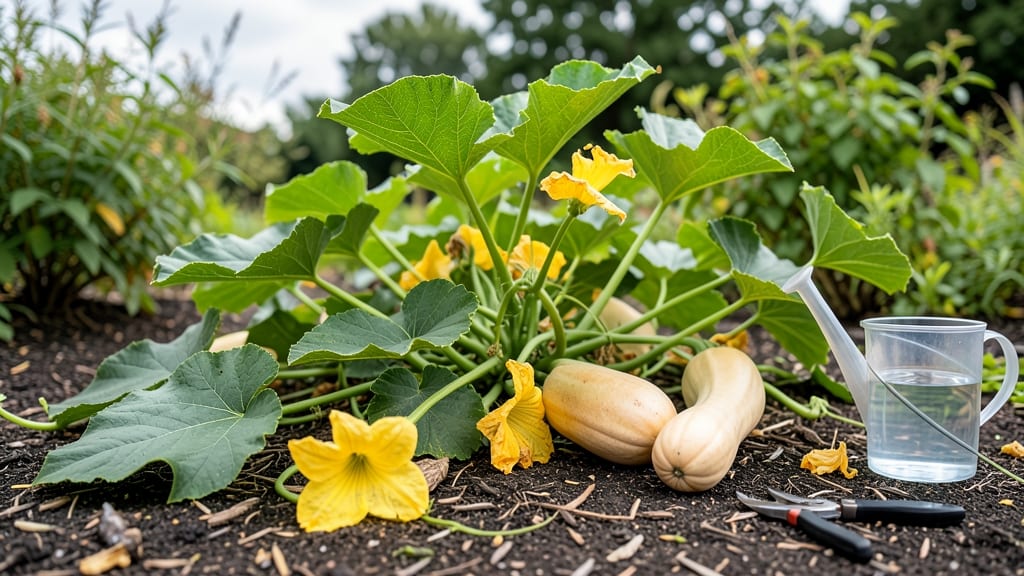
Butternut squash is a vegetable in culinary use because of its savory flavor and hearty texture, even though botanically it's classified as a fruit due to its seed-bearing structure.
This classification confusion happens because we eat squash like other vegetables—think of their role in dishes rather than their botanical family. 🌱 While it grows on vines like a fruit, its sweet, nutty taste and fibrous texture make it a staple in soups, roasts, and side dishes.
The key difference from other winter squash lies in its smooth skin and sweet flesh, which cooks down beautifully for both savory and slightly sweet preparations.
Gardeners love it for its hardiness—it thrives in cooler weather and stores well for months, making it a pantry favorite. When harvested at peak ripeness (skin turns golden, stem hardens), the nutritional payoff is highest, with vitamin A levels skyrocketing compared to underripe squash.
Pair it with kale or black beans for a complete protein boost, or roast it with olive oil for a caramelized side that's pure comfort food.
💡 In This Article
- Botanical vs Culinary Classification of Butternut Squash
- Top Nutritional Benefits of Growing and Eating Butternut Squash
Botanical vs culinary classification of butternut squash
Butternut squash belongs to the Cucurbitaceae family, which includes other botanical fruits like cucumbers, pumpkins, and melons. The key distinction comes from its reproductive structure: it develops from a flower's ovary and contains seeds, which defines it as a fruit in botanical terms.
However, this classification often clashes with common culinary usage, where we categorize foods based on flavor and texture rather than scientific definitions.
The confusion arises because butternut squash lacks the sweetness and juiciness typically associated with fruits we eat. Instead, it offers a savory, nutty flavor and fibrous texture that aligns with vegetables in cooking.
For example, its 10-15% carbohydrate content (mostly complex carbs) and 2-3 grams of fiber per cup make it behave more like a vegetable in our diets. Compare this to apples, which have 14% sugar and minimal fiber, and you'll see why butternut squash fits better in savory dishes.
This dual classification isn't unique to butternut squash. Other winter squash like acorn and spaghetti squash face the same botanical-culinary divide. The difference lies in how we prepare them: roasting, pureeing, or stuffing brings out their vegetable-like qualities.
The low moisture content (80-85%) compared to fruits like watermelon (92%) further reinforces their vegetable status in cooking applications.
Culturally, this classification matters because it influences how we perceive and use ingredients. When you see butternut squash in a recipe, you're more likely to think of it as a hearty side dish or main ingredient rather than a dessert component.
This is why it pairs beautifully with herbs like thyme and sage, or proteins like chicken and pork, rather than with vanilla or citrus that might complement a true fruit.
What most people don't realize is that this classification affects storage and preparation too. As a "vegetable" in culinary terms, butternut squash stores better at 50-55°F with high humidity, similar to potatoes, rather than the cooler temperatures ideal for true fruits.
Its thick skin also makes it more durable during cooking, allowing it to hold up to roasting at 400°F without becoming mushy.
Consider this comparison: while botanists classify it as a fruit, chefs treat it like a vegetable because of its savory profile, dense texture, and versatile cooking applications.
This dual nature makes butternut squash uniquely adaptable in both sweet and savory dishes, from curries to pies, though its vegetable-like qualities dominate in most preparations. 🌱