
Picking
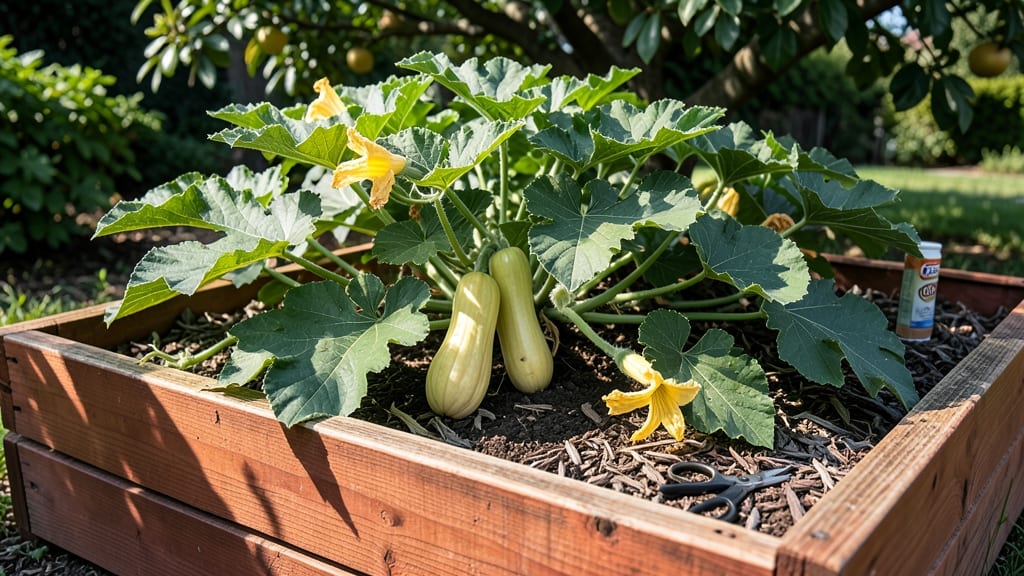
Growing bottle gourd neck squash means heavy yields even in shadier spots where most vines struggle. 🌿 I’ve grown these for years, and they’re my secret weapon for productive gardens with less-than-perfect sunlight. The vines climb aggressively, the fruits mature quickly, and the flavor? Richer than store-bought squash.
Start with 3-4 seeds per plant, spaced 3 feet apart—these vines spread fast. They tolerate partial shade but need at least 4-6 hours of morning sun for best fruit set. Soil should be well-draining but rich in compost; these plants drink up nutrients like water.
Water consistently but avoid soggy soil, which leads to rot. By mid-summer, you’ll be harvesting 3-5 pound fruits with that signature bottle shape. The skin stays tender when young, perfect for stir-fries, and the seeds are edible too.
Even in hot climates, they produce until frost—unlike many squash varieties that peter out early. If your garden has partial shade, limited space, or rocky soil, bottle gourds adapt better than most. Just watch for cucumber beetles and powdery mildew—neem oil or row covers help.
Once you try them, you’ll never go back to standard squash again.
📚 In This Guide
- What you need
- Instructions
- Tips and common mistakes
- Wrapping up and next steps
What you need
- ● Seeds: 3–5 bottle gourd neck squash seeds (or 1–2 plants if buying transplants). Look for heirloom varieties like ‘Long Neck’ or ‘White Bush’ for best results.
- ○ Containers or Garden Bed: Containers: 5-gallon pots or larger (at least 12–18 inches deep) with drainage holes. Optional: Self-watering pots for drought-prone areas.
- ● Garden Bed: A sunny or partially shaded spot (6+ hours of light) with well-draining soil. Pro tip: Amend clay soil with compost to improve aeration! 🌡️
- ● Growing Medium: High-quality potting mix (sterile and well-draining) or a blend of garden soil + compost (70/30 ratio).
- ● Support Structures: Trellis, fence, or sturdy stakes (6+ feet tall) for vining varieties.
- ○ Optional: Cattle panels or tomato cages for smaller spaces.
- ● Hand Trowel – For planting seeds and transplanting.
- ● Gloves – To protect your hands while handling soil and vines.
- ● Watering Can or Hose with Nozzle – Gentle watering is key for young seedlings.
- ● Pruning Shears – For trimming vines and removing dead leaves.
- ● Fertilizer: Balanced Fertilizer (10-10-10) – Apply at planting and again when vines start running.
- ○ Optional: Compost tea or worm castings for organic boosts.
- ● Mulch (Straw or Shredded Leaves) – Retains moisture and suppresses weeds.
- ● Pest Control: Neem oil or insecticidal soap (for aphids or squash bugs).
- ○ Optional: Row covers to protect seedlings from pests.
How to grow bottle gourd neck squash in shaded areas
This shade-loving vine thrives where others fail—here’s how to coax heavy yields from a single plant.
🌱 Step 1: Choose the Right Location and Prepare the Soil
Bottle gourds tolerate partial shade but need at least 4-6 hours of filtered light daily. I plant mine near tall trees or under pergolas where dappled sunlight reaches the vines. The soil must drain well—these squash hate soggy roots. Amend heavy clay with 2-3 inches of compost and work in a handful of 5-10-10 fertilizer per planting hole to jumpstart growth.
Dig a hole 12-18 inches wide and deep—this vine’s sprawling roots need room. Loosen the sides of the hole with a fork to encourage root penetration. If your soil tests acidic, add 1 cup of dolomitic lime to raise the pH to 6.0-6.8. Bottle gourds are sensitive to soil chemistry, and the right pH prevents blossom-end rot later.
☀️ Step 2: Plant Seeds After Frost and Provide Support
Wait until soil reaches 65°F+—cold soil delays germination and invites rot. Plant 2-3 seeds per hole, 1 inch deep, spacing hills 6-8 feet apart (these vines sprawl aggressively). Thin to the strongest seedling after 2-3 weeks, when the first true leaves appear. I use a small hand trowel to gently remove weaker sprouts, leaving the most vigorous stem.
Install a 6-8 foot trellis or strong fence at planting time. Bottle gourds climb like cucumbers but produce heavier fruit when trained vertically. Secure the vine with soft plant ties as it grows—rough twine will scar the stems. This saves garden space and keeps fruit off the ground, reducing rot risk.
💧 Step 3: Water Deeply and Maintain Consistent Moisture
Water deeply 2-3 times per week, aiming for 1-2 inches of moisture per week. Let the top 2 inches of soil dry between waterings—this prevents powdery mildew, a common issue with squash. I use a soaker hose to deliver water at the base, avoiding leaf wetness that spreads disease. Mulch with 3-4 inches of straw to retain moisture and suppress weeds.
Watch for yellowing leaves—this signals either overwatering or nutrient deficiency. If the soil feels soggy, cut back to once weekly watering. For extra vigor, side-dress with compost tea every 4 weeks starting when vines reach 3 feet tall. The key is consistency: bottle gourds respond to steady moisture with rapid growth and abundant fruit set.
✂️ Step 4: Prune for Airflow and Harvest at Peak Ripeness
Prune suckers (side shoots) when they’re 3-4 inches long to redirect energy to fruit production. I pinch them off with my fingers—no need for shears. Leave the main vine intact, as it bears the heaviest fruit. Remove any yellowed or diseased leaves immediately to prevent spread. This vine is prolific, so harvest frequently to encourage more production.
Harvest when squash reach 10-12 inches long and feel heavy for their size. Use a sharp knife to cut the stem, leaving a 1-inch stub. Immature gourds are tender and great for stir-fries, while mature ones store well. If left on the vine, they’ll grow to 20+ inches but lose quality. I harvest every 2-3 days during peak season to keep the plant productive.
🌿 Step 5: Extend the Season with Simple Tricks
To prolong harvests, cover young plants with frost cloth when nighttime temps drop below 55°F. Bottle gourds are tender and won’t survive frost, but a little protection buys you 2-3 extra weeks of growth. In warm climates, succession plant every 2 weeks for a continuous supply—just be sure to stagger the planting holes by 10 feet to avoid crowding.
Save seeds from your best squash for next year! Scoop out the pulp, rinse the seeds, and dry them on a screen for 1-2 weeks in a warm, dry place. Store in a paper envelope in a cool, dark spot. These seeds retain viability for 3-4 years, so you’ll never need to buy new ones. The more you grow, the better your yield—and your squash—will become.
Tips & tricks for growing bottle gourd neck squash in shade
Here's what nobody tells you about maximizing those shade-tolerant yields—these tricks make all the difference between a modest harvest and a garden overflowing with squash.
Light Optimization: The 4-6 hours of filtered light requirement is non-negotiable, but you can strategically position your trellis to capture morning sun and afternoon shade. I've found that orienting the trellis east-west captures the most dappled light throughout the day. For denser shade areas, consider using a sheer white shade cloth (30-50% shade) during peak afternoon sun to prevent leaf scorch while still allowing growth.
Soil Science Secret: That 1 cup of dolomitic lime isn't just about pH—it's a micronutrient boost. Bottle gourds thrive with calcium and magnesium, which this amendment provides. I test my soil annually and add lime every other year to maintain that 6.0-6.8 range. The payoff? Fewer blossom-end rot issues and stronger vine development. For even better results, mix in a handful of wood ash (from untreated wood) to the planting hole—it provides potassium and raises pH slightly.
Germination Hack: Waiting for 65°F+ soil is crucial, but you can speed up germination by soaking seeds overnight in warm water before planting. I use a small jar of warm water for 8-12 hours, then plant immediately. This mimics natural pre-sprouting conditions and gives you a 2-3 day head start on growth. Just be sure to plant at the same 1-inch depth—deeper planting can cause rot once they sprout.
Harvest Timing: Those 10-12 inch measurements are ideal, but don't wait too long! I've found that harvesting when the squash are 8-10 inches gives you the perfect balance of tenderness and flavor. The key is to harvest every 2-3 days during peak season—this constant removal triggers the plant to produce more fruit. If you see flowers but no fruit forming, hand-pollinate by gently transferring pollen from male to female flowers using a small paintbrush in the morning when flowers are open.
Pro Tips for Bottle Neck Squash
- Here's what nobody tells you about maximizing those shade-tolerant yields—these tricks make all the difference between a modest harvest and a garden overflowing with squash.
- Light Optimization: The 4-6 hours of filtered light requirement is non-negotiable, but you can strategically position your trellis to capture morning sun and afternoon shade.
- Soil Science Secret: That 1 cup of dolomitic lime isn't just about pH—it's a micronutrient boost.
Frequently asked questions
Got questions about growing bottle gourd neck squash? You’re not alone! Here are some of the most common queries—plus quick answers to help you grow like a pro.
How long does it take for bottle gourd neck squash to mature?
These shade-loving vines typically mature in 70–90 days from transplanting, depending on your climate. Early varieties may produce fruit sooner, while larger squash take longer. Watch for blooms (male flowers first, then female) to track progress—female flowers will swell at the base, signaling fruit development!
Can I grow bottle gourd neck squash in containers?
Since they’re vining plants, use a large container (at least 5 gallons) with drainage holes and trellis support. Place in full sun to partial shade (they tolerate low light better than cucumbers). Just ensure consistent watering and fertilize every 2–3 weeks for best yields.
Why aren’t my bottle gourd neck squash flowering?
Lack of flowers? Check these fixes:
- Heat stress: Too hot? Provide afternoon shade.
- Nutrient deficiency: Add compost or a balanced fertilizer (high in phosphorus for blooms).
- Watering issues: Inconsistent moisture can stunt growth. Keep soil evenly damp.
- Pollination problems: Hand-pollinate by transferring pollen from male to female flowers with a brush.
What’s the best way to harvest and store bottle gourd neck squash?
Harvest when the neck swells and the skin is firm but tender (usually 8–12 inches long). Use pruning shears to avoid damaging vines. Store in a cool, dry place (50–55°F) for up to 2 weeks. For longer storage, slice and freeze cooked pieces or ferment into pickles!
Are there disease-resistant varieties of bottle gourd neck squash?
While no variety is 100% disease-proof, some hybrids (like ‘Tennessee Sweet’) show better resistance to powdery mildew and downy mildew. Improve resilience by:
- Rotating crops yearly.
- Avoiding overhead watering.
- Using copper fungicide preventatively if humidity is high.
Wrapping up and next steps
Growing bottle gourd neck squash is a rewarding adventure—whether you're a seasoned gardener or just starting out! 🌱 With its shade tolerance, high yields, and versatility in the kitchen, this vine is a fantastic addition to any garden.
Now that you’re armed with the right materials and answers to common questions, it’s time to roll up your sleeves and get planting.
Ready to harvest your own homegrown bounty? Start by selecting a sunny (or partially shaded) spot in your garden, prep the soil, and plant your seeds or seedlings—then watch your vines thrive! Happy growing! 🌿