
Picking
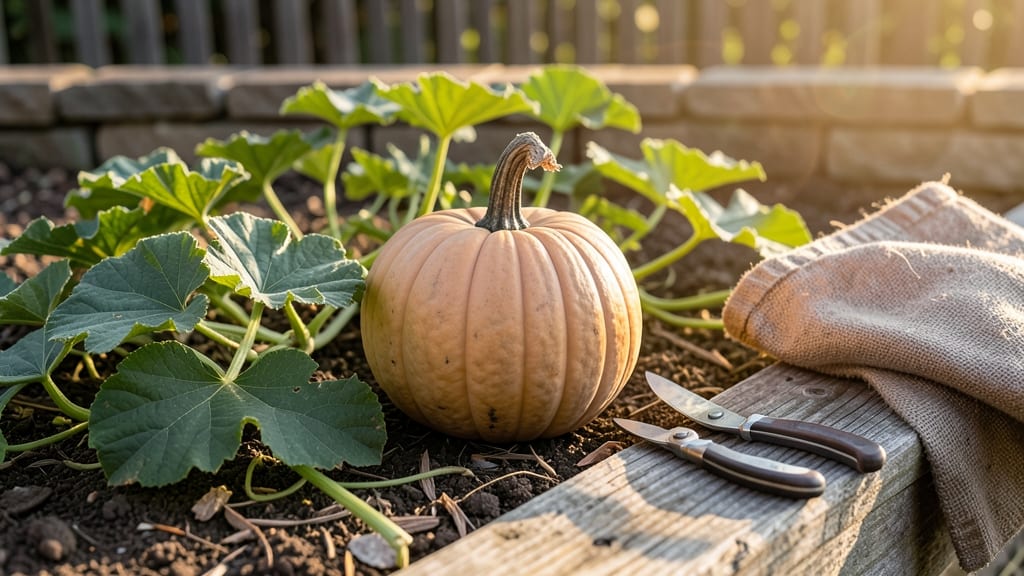
Storing acorn squash properly means enjoying its sweet, nutty flavor for months—not weeks. 🌿 The best way to store acorn squash starts with curing it right after harvest, then choosing the perfect spot to keep it firm and fresh until you're ready to use it.
I've learned the hard way that skipping these steps leads to a squash that turns mushy or develops mold before its time.
First, let's talk curing: place whole squash in a warm, dry spot for 5-7 days to harden the skin. After that, store them in a cool, dark place—like a pantry or basement—where temperatures stay between 50-55°F.
This keeps them crisp for 2-3 months, sometimes even longer if they're handled gently. Humidity matters too; too much moisture speeds up spoilage, so avoid damp areas.
Once you cut into your squash, the clock starts ticking differently. Refrigerate cut pieces in an airtight container for up to 5 days, or freeze them for 3-6 months to preserve that harvest-fresh taste.
The key is acting fast—exposed flesh oxidizes quickly, so store it properly to avoid waste. You'll know it's gone bad when the flesh turns slimy or develops an off odor.
For gardeners who grow their own, this method saves money and reduces food waste. Whether you're storing a single squash or a bushel, these simple steps make all the difference. Let's dive into the details so you can enjoy your harvest all winter long.
📚 In This Guide
- What you need
- Instructions
- Tips and common mistakes
- Wrapping up and next steps
What you need
- ● Acorn squash: 1-2 whole, uncut squashes (preferably organic if possible)
- ● Paper towels or clean kitchen cloth: Enough to pat the squash dry (about 2-3 sheets or cloths)
- ● Plastic wrap or aluminum foil: A roll (about 1-2 feet) for wrapping
- ● Pantry or cool, dark storage space: A dry area with stable temperatures (ideally 50-55°F)
- ○ Optional: A breathable produce bag or mesh bag (for extra airflow)
- ● Food-safe marker: To label storage dates if keeping multiple squashes
- ● Small wooden crate or ventilated container: For elevated storage (prevents moisture buildup)
- ● Refrigerator (if storing cut pieces): Airtight container for prepped squash
Step-by-Step guide to storing acorn squash for maximum freshness
Here’s my foolproof method for keeping acorn squash fresh and flavorful for months—no more mushy surprises!
🪴 Step 1: Cure the Squash Before Storing
First, let the squash cure at room temperature for 7-10 days in a dry, well-ventilated spot. Place it on a wire rack or upside-down cardboard box to allow air circulation—this prevents moisture buildup that leads to mold. You’ll know it’s ready when the skin hardens and the stem shrinks slightly. Skip this step, and your squash will spoil faster.
Check daily for soft spots or mold. If you spot any, toss the squash immediately—even a small rot spreads quickly. A cured squash will last 2-3 months in ideal conditions, while an uncured one might only last 2-3 weeks. This is the secret to long-term storage success!
☀️ Step 2: Choose the Right Storage Spot
Once cured, store your acorn squash in a cool, dark, and humid environment—50-55°F is perfect. A basement, root cellar, or even a pantry away from heat sources works best. Avoid refrigeration unless you plan to use it within 2 weeks, as cold temperatures can make the flesh mealy.
Place squash on a wooden rack or shelf to keep them off damp surfaces, which can cause rot. Group them loosely—don’t stack them tightly. If you’re short on space, store them on a towel-lined shelf to absorb excess moisture. Watch for any changes in texture or smell; a fresh squash should feel firm and smell slightly sweet.
💧 Step 3: Extend Shelf Life with Proper Handling
Before storing, gently wipe the squash with a damp cloth to remove dirt, but don’t soak it—excess moisture speeds up spoilage. Let it dry completely before placing it in storage. If your storage area is dry, place a small bowl of water nearby to maintain humidity without overdoing it.
Every 2-3 weeks, inspect your squash for soft spots, mold, or wrinkled skin. Remove any affected squash immediately to prevent contamination. A well-maintained squash will stay fresh for up to 3 months—that’s enough to enjoy it through fall and winter!
⏰ Step 4: Prepare for Long-Term Freezing (Optional)
If you won’t use your squash before 3 months, consider freezing it for up to 1 year. Cut into halves or wedges, scoop out the seeds, and place cut-side down on a baking sheet. Freeze until solid, then transfer to airtight freezer bags or containers. Label with the date—frozen squash is best used within 6-8 months for peak texture.
Thaw frozen squash in the fridge overnight before cooking. Microwaving can make it watery. This method is perfect for batch cooking soups or roasted dishes when fresh squash is out of season. Just remember: frozen squash is best for cooking, not raw eating.
Tips & tricks for perfect acorn squash storage
Here's what nobody tells you about keeping your acorn squash fresh for months—these little details make all the difference!
Curing is Non-Negotiable: That 7-10 day curing period in Step 1 isn't just a suggestion—it's the game-changer that transforms your squash from "weekly treat" to "months-long pantry staple." I learned this the hard way after ruining three batches by skipping this step. The curing process hardens the skin and shrinks the stem, creating a natural barrier against moisture and mold. Pro tip: Place your squash on a wire rack in a spot with good airflow, like near an open window (but not direct sunlight). This prevents condensation buildup that leads to rot.
Temperature Matters More Than You Think: While 50-55°F is ideal, your actual storage temperature might vary. If you're storing in a basement, test it with a thermometer—some basements can get chilly enough to make the flesh mealy. For pantry storage, keep it away from heat sources like ovens or stoves. I've seen people store squash in refrigerators for "longer freshness," but that's actually counterproductive—cold temperatures accelerate the breakdown of cell walls, making the flesh turn mushy faster than at room temperature.
Humidity Balance is Everything: The instructions mention maintaining humidity, but here's what nobody tells you: too much moisture is just as bad as too little. If you notice condensation forming on your squash during storage, that's a red flag. Instead of placing a bowl of water directly next to your squash (which can create a sauna effect), try placing a small dish of water on the opposite side of the storage area. This maintains humidity without creating a damp environment that encourages mold growth. A damp cloth wrapped around the squash can also help regulate moisture levels.
Freezing Shortcut for Busy Cooks: If you're planning to use your squash within 3 months, you don't need to freeze it—but if you're looking ahead to next winter, freezing is your best friend. The key is in Step 4: after cutting your squash, place the pieces cut-side down on the baking sheet before freezing. This prevents the flat surfaces from sticking together during storage. When you're ready to use frozen squash, don't microwave it—thawing in the fridge overnight preserves the texture much better. I like to use frozen squash for soups and stews where texture isn't as critical as flavor.
Pro Tips for Best Way To Store Acorn Squash
- Here's what nobody tells you about keeping your acorn squash fresh for months—these little details make all the difference!
- Curing is Non-Negotiable: That 7-10 day curing period in Step 1 isn't just a suggestion—it's the game-changer that transforms your squash from "weekly treat" to "months-long pantry staple."
- Temperature Matters More Than You Think: While 50-55°F is ideal, your actual storage temperature might vary.
Frequently asked questions
Got questions about keeping your acorn squash fresh? We’ve got answers! Here are some of the most common concerns—plus quick solutions to keep your squash in top shape.
How long does acorn squash last in the fridge?
Uncut acorn squash stays fresh for 2–3 weeks in the fridge (unwashed, in a paper bag or open container). Once cut, wrap tightly with plastic wrap or store in an airtight container—it’ll last 3–5 days. For longer storage, freeze cooked or cubed squash (up to 6 months).
Can I store acorn squash at room temperature?
Yes, but only short-term! Whole, uncut squash can sit on your counter for 1–2 weeks in a cool, dark spot (like a pantry). Avoid warm areas—heat speeds up spoilage. Once cut, refrigerate immediately to prevent bacterial growth.
What’s the best way to revive a soft or wrinkled acorn squash?
If your squash feels mushy or has deep wrinkles, it’s likely past its prime. However, try this quick fix: Place it in a bowl of ice water for 10–15 minutes to firm up slightly. For minor softness, store it in the fridge for 24 hours—sometimes cold temps help. If it’s moldy or smells off, toss it!
Can I freeze acorn squash whole?
Nope! Freezing whole acorn squash is a bad idea—it’ll expand and crack. Instead, cut it into halves or cubes, remove seeds, and blanch (dip in boiling water for 2 minutes) before freezing. Store in airtight bags or containers for up to 6 months. Thaw overnight in the fridge before cooking.
What are some creative ways to use squash that’s past its prime?
Don’t waste it! Overripe or soft acorn squash works great in:
- Soups & stews (blend into creamy bases)
- Roasted mash (add butter, salt, and a splash of milk)
- Bread or muffins (grate raw or blend cooked into batter)
- Stock (simmer with veggie scraps for flavor)
Wrapping up and next steps
Storing acorn squash the right way keeps its flavor and nutrients fresh for weeks—whether you’re prepping for meals or saving for later! 🌟 With just a few simple steps, like choosing the perfect squash, proper cleaning, and smart storage (cool, dry, and dark), you’ll enjoy its sweet taste whenever you crave it.
Now that you’re equipped with these tips, why not try storing one today? Grab a squash, follow the guide, and savor the satisfaction of long-lasting freshness in your kitchen! 🍽️