
Picking
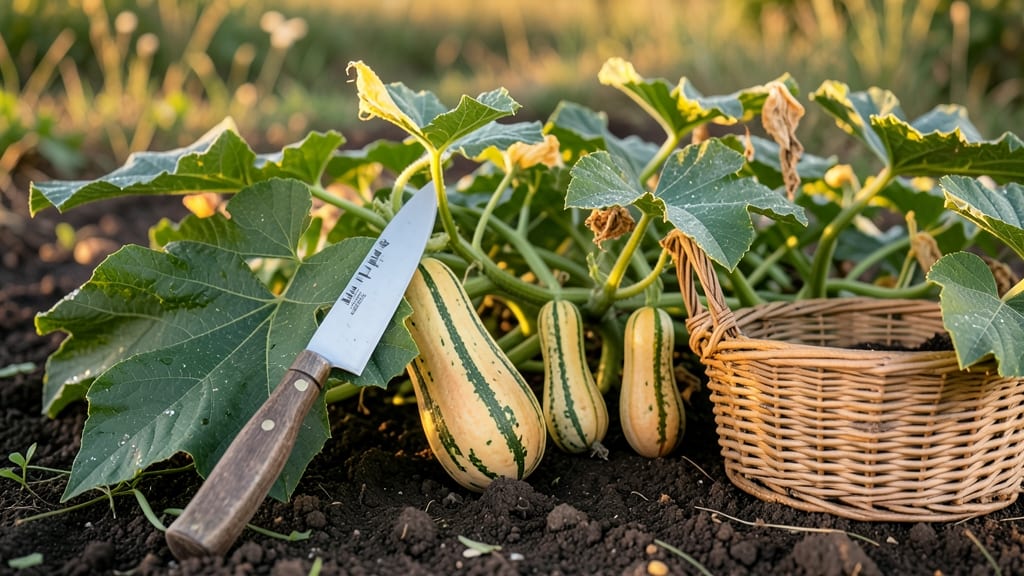
Storing delicata squash wrong turns crisp flesh to mealy mush in days. 🌿 The secret to keeping these sweet, ribbed squashes fresh for weeks lies in mimicking their natural growing conditions—cool, dark, and slightly humid.
My first harvest lasted only a week in the pantry until I learned this trick: a 50-55°F environment with high humidity preserves their texture and flavor far longer than you’d expect.
You’ll need just three things: a paper bag (not plastic), a cool basement or root cellar, and a dry towel to wipe off any dirt before storing. Delicata’s thin skin makes it sensitive to bruising, so handle them like eggs—gentle taps only.
The key is airflow: poke a few small holes in the bag if it feels too snug, as trapped moisture speeds up spoilage.
By following these steps, you’ll end up with squash that stays firm and sweet for 4-6 weeks, perfect for roasting, spiralizing, or baking into pies.
The first time I pulled one from storage still crisp after a month, I nearly dropped it in shock—it was like finding gold in my kitchen.
For longer storage, freezing or dehydrating works too, but fresh is always best. Just watch for soft spots or mold—those are your warning signs to use them up fast. Now go enjoy that harvest without the rush!
📚 In This Guide
- What you need
- Instructions
- Tips and common mistakes
- Wrapping up and next steps
What you need
- ● Delicata squash: 1–2 whole, uncut squashes (or prepped slices if storing short-term). Choose firm, unblemished ones!
- ● Paper towels: 2–3 sheets (for drying—critical for preventing mold!).
- ● Plastic bag or container: Option 1: 1–2 resealable plastic bags (preferably with a zip-top, like gallon-sized).
- ● Option 2: 1 airtight container (glass or BPA-free plastic, 1–2 quart size).
- ● Refrigerator: A cold, humidity-controlled space (40°F–50°F / 4°C–10°C ideal).
- ○ Optional for long-term: 1 produce saver (like a Fresh-E-Keeper or vegetable storage bag).
- ● 💡 Avoid: Storing near ethylene-producing fruits (like apples or bananas)—they speed up spoilage!
- ● ✨ For sliced squash: Toss pieces with 1 tsp lemon juice or vinegar before storing to slow browning.
Step-by-step instructions for storing delicata squash
Here's how I keep delicata squash fresh for weeks—no fancy tools, just smart techniques.
🪴 Step 1: Cure the Squash Before Storage
Delicata squash needs a 5-7 day curing period to harden its skin and prevent spoilage. Place whole, unwashed squash in a dry, warm spot with 75-85°F temperatures and good airflow—like a sunny windowsill or basement shelf. Avoid direct sunlight, which can scorch the skin.
Turn the squash every 2-3 days so all sides cure evenly. You'll know it's ready when the skin feels firm to the touch and the stem end hardens. If you skip curing, the squash will soften prematurely and spoil faster.
💧 Step 2: Clean and Dry Thoroughly
Before storing, gently wipe the squash with a damp cloth to remove dirt—but never soak it. Moisture trapped under the skin encourages mold. Pat dry with a clean towel, focusing on the stem end where dirt often collects. A slightly damp squash will develop rot within 3-5 days.
Let the squash air-dry completely for 2-3 hours in a well-ventilated area. You'll see the skin feel cool to the touch when fully dry. This step is critical—even small amounts of moisture create the perfect environment for bacteria and fungi.
☀️ Step 3: Choose the Right Storage Spot
Delicata squash stores best in a cool, dark, and humid environment—think 50-55°F with 50-70% humidity. A root cellar, unheated basement, or even a refrigerator's crisper drawer works well. Avoid the main fridge body, where temperatures fluctuate too much.
Place squash on a wire rack or in a ventilated container to prevent moisture buildup. If storing in a plastic bag, poke 2-3 small holes for airflow. Check squash every 1-2 weeks—remove any that develop soft spots immediately to prevent spreading rot.
⏰ Step 4: Monitor and Rotate Weekly
Every 7-10 days, inspect your stored squash for signs of spoilage: soft spots, mold, or a musty smell. Gently rotate squash so all sides receive equal airflow. If you notice a squash starting to go bad, separate it immediately—delicata squash releases ethylene gas, which speeds up spoilage in nearby produce.
In a properly stored environment, delicata squash keeps for 2-3 months. If the skin becomes wrinkled or the stem end shriveled, it's time to use it up. For longer storage, consider freezing cooked squash—peeled and cubed pieces freeze beautifully for soups and stews.
Tips & tricks for perfect delicata squash storage
Real talk: I've learned these tricks after watching too many squashes spoil prematurely. Here's what nobody tells you—
Temperature Matters: That 5-7 day curing period at 75-85°F is non-negotiable. Too cool and the skin won't harden properly; too hot and you risk scorching. I've found that a sunny windowsill in summer works perfectly, but in winter, I use my oven's pilot light area with the door slightly ajar to maintain that exact temperature range. The goal is to create a tough skin barrier that locks in freshness.
Cleaning Technique: When you're wiping the squash in Step 2, focus on the stem end first—this is where 90% of dirt collects. I use a microfiber cloth because it traps dirt better than paper towels. After wiping, I actually run my finger along the skin to feel for any remaining grit. A slightly damp squash will develop mold within days, so this thorough drying step is your first line of defense against spoilage.
Storage Spot Secrets: Your refrigerator's crisper drawer might seem like the obvious choice, but here's what I've discovered: the 50-55°F range is ideal, but the humidity control is key. If your crisper feels too dry, place a small bowl of water nearby. For extra-long storage, I've had success using a ventilated plastic bin with a damp paper towel on the bottom—this maintains that perfect 50-70% humidity without creating a moldy environment.
Pro Tips for Store Delicata Squash
- Real talk: I've learned these tricks after watching too many squashes spoil prematurely. Here's what nobody tells you—
- Temperature Matters: That 5-7 day curing period at 75-85°F is non-negotiable.
- Cleaning Technique: When you're wiping the squash in Step 2, focus on the stem end first—this is where 90% of dirt collects.
Frequently asked questions
Got questions about keeping your delicata squash fresh and delicious? You’re not alone! Here are some of the most common queries—plus quick, practical answers to keep your squash game strong.
How long can I store uncut delicata squash at room temperature?
Delicata squash stays fresh for about 2–3 weeks in a cool, dry spot (like a pantry or countertop). Avoid direct sunlight or heat sources—these speed up spoilage. If the skin softens or develops mold, it’s time to cook it up!
Can I refrigerate whole delicata squash, or does it need the fridge?
Whole, uncut delicata squash doesn’t need refrigeration—it thrives at room temp. But if you’re prepping it (e.g., cutting into rings), pop it in the fridge for up to 5 days in an airtight container. For longer storage, freeze it (see below!).
How do I tell if my delicata squash has gone bad?
Watch for these red flags:
- Skin softness: Press a fingernail into the squash—if it leaves a dent, it’s overripe.
- Mold: Fuzzy spots (even tiny ones) mean toss it.
- Sour smell: A funky or fermented odor is a no-go.
- Shriveled ends: Wrinkly stem or blossom ends signal dehydration.
What’s the best way to freeze delicata squash?
Freezing works best for pre-cooked or cubed delicata:
- Roast or steam until tender (about 15–20 mins).
- Cool completely, then portion into freezer bags or containers.
- Squeeze out excess air and label with the date.
Can I substitute delicata squash for butternut in recipes?
Delicata’s thinner skin and sweeter flavor make it a great swap for butternut, especially in:
- Roasted sides (no peeling needed!)
- Soups or stews (adds texture and sweetness).
- Spiralized dishes (use a peeler for “noodles”).
Wrapping up and next steps
Storing delicata squash properly is your secret weapon for keeping it fresh, flavorful, and ready for your next meal—whether roasted, spiralized, or baked into a sweet treat! 🌟 By following these simple steps, you’ll avoid waste and enjoy its nutty, caramel-like taste for weeks.
Now that you’re armed with cold room secrets, why not put your new skills to the test? Try experimenting with a new delicata squash recipe this weekend—your taste buds (and leftovers) will thank you!