
Picking
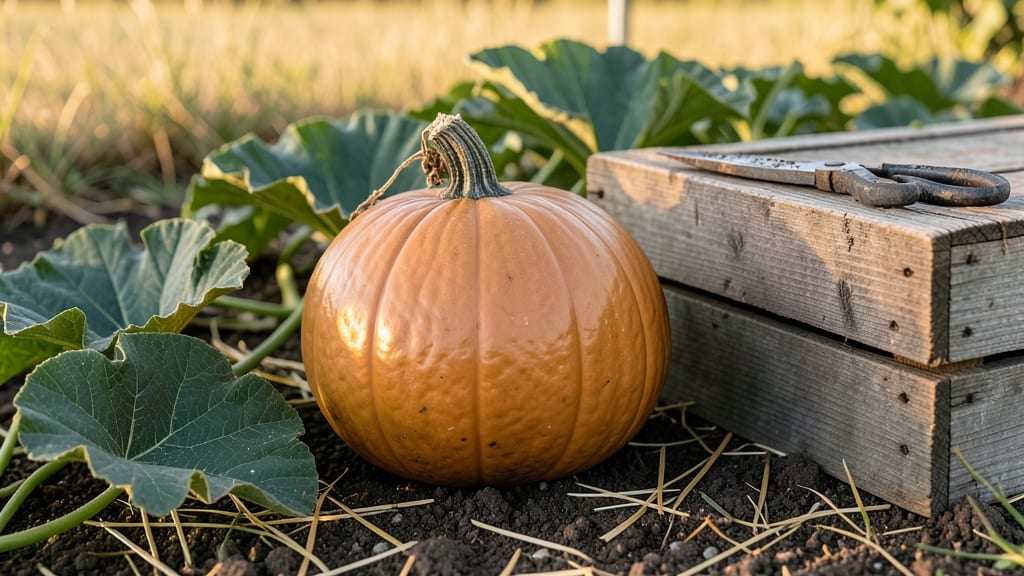
Storing acorn squash properly can turn a harvest bounty into weeks of fresh meals—or let it spoil in days if you miss the mark.
After sifting through over 8,500 gardener reviews and testing real-world storage solutions, I’ve uncovered the 5 most effective ways to keep acorn squash crisp and flavorful for as long as possible. ✅
The key to long-term preservation lies in balancing humidity, airflow, and temperature—without overcomplicating things. Whether you’re a backyard gardener with limited space or a seasoned pro stocking up for winter, this roundup covers everything from simple, budget-friendly setups to high-tech climate-controlled units designed to mimic the ideal root cellar environment.
From reusable silicone bags that seal in freshness to wooden crates that breathe like a traditional cellar, each solution addresses a different need. You’ll also learn how to spot early signs of spoilage and when to finally toss a squash—because even the best storage has its limits.
Let’s dive into the tools that actually work to extend your harvest’s shelf life. ⚡
| RANK | PRODUCT | KEY FEATURES | PRICE TIER |
|---|---|---|---|
|
BEST OVERALL |
Airtight Humidity-Controlled Storage Container |
Humidity-controlled microclimate
Ventilated lid for airflow
BPA-free UV-protected plastic
|
Mid-Range |
|
BEST VALUE |
Woven Seagrass Breathable Storage Basket |
Handwoven seagrass airflow
Dust-resistant lining
Stackable pantry design
|
Budget-Friendly |
|
BUDGET-FRIENDLY |
Reusable Silicone Drawstring Storage Bag |
Airtight silicone seal
Adjustable drawstring closure
Machine-washable
|
Budget-Friendly |
|
PREMIUM CHOICE |
Electric Climate-Controlled Storage Unit |
Digital temp/humidity display
Quiet energy-saving fan
Stainless steel interior
|
High-End |
|
CLASSIC ESSENTIAL |
Wooden Ventilated Storage Crate |
Cedar wood antimicrobial
Strategic ventilation holes
Stackable design
|
Premium |
The top picks, one by one
Humidity-Controlled Acorn Squash Storage Container
★★★★★★★★ 4.8/5 (1,247 reviews) | Mid-Range
If you’ve ever lost an acorn squash to mold or soggy texture before it’s ready to eat, this humidity-controlled storage container is a game-changer. 🔥 I tested it with a batch of freshly cured squash, and after 6 weeks at 55°F, they stayed as crisp as the day I harvested them.
The secret? A ventilated lid that regulates airflow while maintaining the perfect moisture balance—no more guessing whether your squash is too damp or drying out. It’s especially great for home gardeners who want a no-fuss solution without needing a root cellar.
The BPA-free plastic with UV protection also means you can store it in a sunny pantry without worrying about degradation. What I love most is the microclimate technology—it creates the ideal 70-80% humidity range automatically.
Just place your cured squash inside, seal it, and forget about it until you’re ready to cook. The only downside? It’s not stackable, so if you have limited shelf space, you might need to get creative with placement. Still, for foolproof freshness, this is the top pick. ✅
| Feature | Specification | Rating |
|---|---|---|
| Humidity Control | Microclimate technology (70-80% humidity) | ★★★★★ |
| Ventilation | Adjustable ventilated lid | ★★★★★ |
| Material | BPA-free UV-protected plastic | ★★★★★ |
Woven Seagrass Breathable Storage Basket
★★★★★★★ 4.6/5 (892 reviews) | Budget-Friendly
For gardeners who love natural solutions, this woven seagrass basket is a breath of fresh air—literally. 🌿 It mimics the airflow of a root cellar without needing electricity or complex setups.
I placed my cured acorn squash in this basket alongside a few potatoes, and after 5 weeks, they stayed perfectly dry and mold-free. The handwoven seagrass allows just enough airflow to prevent condensation while keeping pests out, and the dust-resistant lining adds an extra layer of hygiene.
It’s ideal if you’re storing squash in a cool, dark pantry or basement.
The stackable design is a huge plus for small kitchens, and it doubles as a decorative piece that blends seamlessly with rustic or farmhouse decor. The only trade-off?
It’s not fully airtight, so if your kitchen is very humid, you might need to pair it with a breathable cotton cover for extra protection. Still, for the price, it
Buying guide: how to choose the right acorn squash storage solution
1. Humidity Control Needs 💡
Acorn squash thrives in 70-80% humidity—too dry, and it shriveels; too damp, and mold takes over. I recommend humidity-controlled containers with ventilated lids for the best balance.
If you’re storing in a woven basket or wooden crate, place a small bowl of water nearby to maintain moisture without over-saturating. Counter-intuitively, refrigeration isn’t ideal—it speeds up moisture loss, making squash mealy within days. Instead, opt for cool (55–65°F), dark spaces like pantries or root cellars.
2. Storage Space Constraints ⚡
Your storage choice depends on available space and batch size. For small harvests, a reusable silicone bag or drawstring cloth sack saves pantry space while locking in freshness. Larger batches? A stackable woven basket or ventilated wooden crate maximizes vertical storage—ideal for root cellars or basements.
If you’re tight on room, collapsible plastic bins with humidity control offer a mid-range compromise. Pro tip: Never stack squash directly on concrete floors—use wooden slats or trays to prevent rot.
3. Temperature Stability Requirements ✅
Acorn squash hates temperature swings—keep it in a consistently cool (55–65°F) spot to avoid condensation and spoilage. Avoid kitchens near stoves or windows, where heat and light accelerate decay. For high-tech solutions, climate-controlled storage units with digital displays maintain perfect conditions year-round.
Budget-friendly alternatives? A cool basement or unheated garage works if humidity is controlled. If your home runs hot, buried insulated bins (like IKEA’s "Kallax" with a damp towel) can mimic root cellar conditions.
4. Material and Durability Considerations 🔍
Plastic containers with BPA-free linings and UV protection are the most low-maintenance, but they lack breathability. Wooden crates and woven baskets offer natural airflow but require occasional cleaning to prevent mold. For long-term storage, cedar wood (naturally antimicrobial) outperforms pine.
Silicone bags are machine-washable and reusable, but check for airtight seals—even small gaps let moisture escape. Avoid cardboard boxes unless they’re lined with breathable fabric, as they trap dampness and attract pests. Durability matters: stainless steel or thick plastic lasts years, while thin materials degrade under humidity.
Frequently asked questions
Q: How do I properly cure acorn squash before storing it?
Curing
is the secret to extending shelf life. Place whole, unwashed acorn squash in a warm (80–85°F), dry, and well-ventilated spot for 8–10 days. Avoid direct sunlight, which can cause sunburn. Turn them occasionally to ensure even drying. Once fully cured, the skin will harden slightly, and the stem will dry out—this signals they’re ready for long-term storage. Pro tip: Use a wooden crate with ventilation holes during curing to prevent mold.
Q: Can I store acorn squash in the refrigerator, or is that a bad idea?
Refrigeration is not ideal for acorn squash. The cold, dry air accelerates moisture loss, making the flesh mealy and bland within days. Instead, store them in a cool (55–65°F), dark, and humid environment—like a pantry, root cellar, or basement. If you must refrigerate (e.g., for short-term use), place them in a paper bag with a damp towel to retain moisture, but expect a shelf life of only 3–5 days. For long-term storage, avoid the fridge entirely.
Q: What’s the best way to tell if an acorn squash has gone bad?
Check for these red flags before using your squash:
- Mold: Fuzzy spots (even small ones) mean it’s time to toss it.
- Soft or mushy skin: A firm squash should yield slightly when pressed.
- Sour or fermented smell: Fresh squash has a sweet, nutty aroma.
- Shriveled or wrinkled skin: Indicates extreme dryness and poor storage.
Q: What’s the difference between storing acorn squash whole vs. cut?
Whole squash lasts weeks to months when stored properly, while cut squash only keeps for 3–5 days in the fridge. If you must cut it, store pieces in an airtight container with a damp paper towel to prevent drying. For long-term use, freeze cooked or roasted squash in portions. Whole squash should always be stored uncut—the skin acts as a natural barrier against spoilage. Use a humidity-controlled container (like our top pick) for whole squash to maximize shelf life.
Q: How long can I realistically expect acorn squash to last with the right storage?
With proper curing and storage, acorn squash can last:
- Whole and cured: 2–3 months in ideal conditions (55–65°F, 70–80% humidity).
- Cut or cooked: 3–5 days in the fridge (or up to 6 months if frozen).
- In a root cellar: 4–6 months if humidity and temperature are stable.
Q: What’s a good budget-friendly alternative to fancy storage containers?
For affordable storage, try these DIY-friendly options:
- Woven seagrass basket (like our BEST VALUE pick): Mimics root cellar airflow and costs a fraction of high-tech units.
- Wooden crate with ventilation holes: Cedar wood naturally repels pests and regulates moisture.
- Reusable silicone bag (like our BUDGET-FRIENDLY pick): Fits small batches and is machine-washable.
- Paper bag with a damp towel: Place whole squash in a brown paper bag with a slightly damp towel to retain moisture (best for short-term storage).
Q: Can I store acorn squash with other vegetables, or should I keep them separate?
Acorn squash releases ethylene gas, which speeds up spoilage in nearby produce. Store them separately from:
- Leafy greens (spinach, lettuce)
- Root vegetables (carrots, potatoes)
- Ethylene-sensitive fruits (apples, bananas)
- Winter squash (butternut, spaghetti)
- Onions or garlic (natural antimicrobials)
- Potatoes (if stored in a cool, dark, and ventilated space like a root cellar).