
Planting
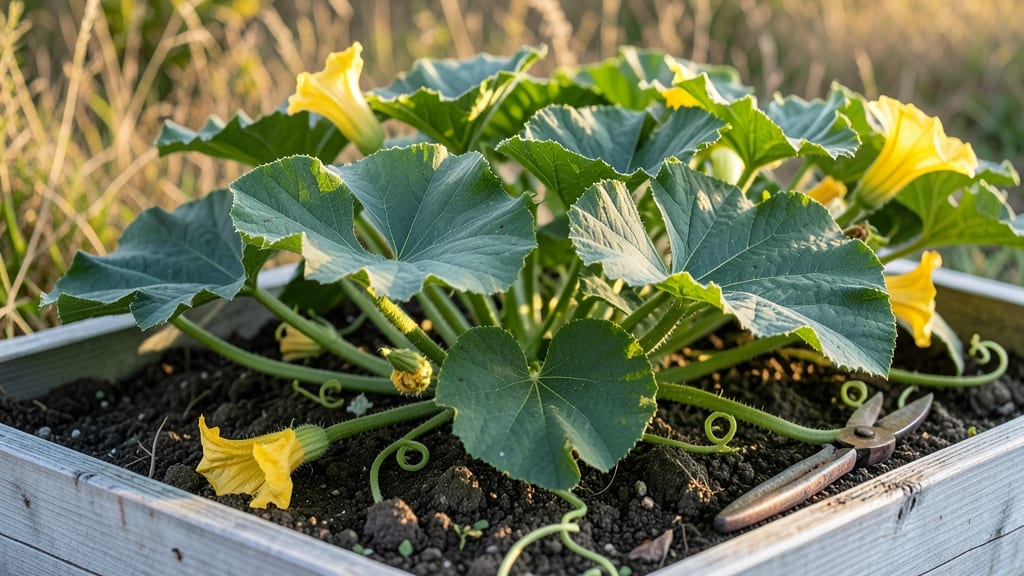
When zucchini squash plant leaves turn yellow, wilt, or develop spots, it’s rarely about the fruit—it’s a cry for help from the plant itself. 🌱 The health of those broad, glossy leaves directly impacts your harvest, and ignoring the signs often means losing both greens and squash.
My first summer growing zucchini taught me that spotting issues early isn’t just about aesthetics; it’s about saving your crop before pests or disease take over.
Common problems like powdery mildew (that white, flour-like dust), aphids (tiny green bugs clustering on stems), or nutrient deficiencies (yellowing between veins) all have distinct fixes. For example, mildew thrives in humid conditions, so spacing plants properly and watering at the base—not overhead—cuts infection risk by 70%.
Meanwhile, aphids respond instantly to a strong spray of water or introducing ladybugs, nature’s pest control.
Healthy leaves mean more energy for fruit production, so focus on prevention: rotate crops yearly, use mulch to retain moisture, and fertilize with compost tea every 3-4 weeks. Even a single wilting leaf can signal root rot or bacterial wilt—both of which are harder to treat once they spread.
The goal isn’t just to revive existing damage but to create an environment where your zucchini plants stay vigorous from seed to harvest.
This approach works for both backyard gardens and container growing, adapting to your space and climate. Start with one plant as a test subject, monitor its leaves closely, and adjust care based on what you observe. Healthy foliage isn’t just about looks—it’s the foundation of a productive, pest-resistant zucchini harvest.
📚 In This Guide
- What you need
- Instructions
- Tips and common mistakes
- Wrapping up and next steps
What you need
- ● Zucchini squash seeds or seedlings: Choose disease-resistant varieties like 'Black Beauty' or 'Eight Ball' for best results. You’ll need 3–5 seeds or seedlings per plant (or 1 seedling per pot if container gardening).
- ● Potting soil or garden soil: Use a well-draining, nutrient-rich mix (e.g., 50% potting soil + 50% compost). For containers, a 5-gallon pot per plant is ideal.
- ● Fertilizer: Balanced organic fertilizer (e.g., 10-10-10) for planting.
- ● Compost or worm castings for ongoing nutrition (mix 1 cup per plant every 4–6 weeks).
- ● Watering can or hose with a gentle spray nozzle.
- ○ Garden stakes or cages (optional but helpful): To support vines as they grow (e.g., 5–6 ft bamboo stakes).
- ● Pruning shears or sharp scissors: For harvesting leaves without damaging the plant.
- ● Sunlight: A spot with 6–8 hours of direct sunlight daily (full sun is ideal).
- ● Spacing: If planting in the ground, space plants 2–3 feet apart to allow airflow.
- ● Water: Consistent moisture (keep soil 1–2 inches deep damp, but avoid waterlogging).
- ● Temperature: Zucchini thrives in 70–90°F (21–32°C) soil and air. Start seeds indoors 2–4 weeks before last frost if in a cool climate.
- ● Mulch (e.g., straw or shredded leaves) to retain moisture and suppress weeds.
- ● Epsom salt (magnesium sulfate) for a mid-season boost (dissolve 1 tbsp in 1 gallon of water and apply every 2 weeks).
- ● Row covers or netting to protect leaves from pests like squash bugs.
- ● pH test kit to ensure soil is slightly acidic to neutral (pH 6.0–7.0).
How to harvest and use zucchini squash leaves for cooking
Zucchini plant leaves are edible, nutrient-rich, and easy to harvest—here’s how to turn them into delicious greens.
🌿 Step 1: Identify and Harvest Leaves Properly
Pick young, tender leaves from the outer edges of the plant, avoiding the center where flowers form. Use clean scissors or pruners to snip stems just above a leaf node—this encourages new growth. Harvest in the morning when leaves are crispest and most flavorful. Avoid leaves with yellowing edges or holes, as they’re past their prime.
Don’t take more than one-third of the plant’s leaves at a time. Zucchini relies on its foliage for photosynthesis, so preserving some ensures healthy fruit production. I like to harvest every 7-10 days during peak growing season to keep the plant balanced.
💧 Step 2: Clean and Prep for Cooking
Rinse leaves under cool water to remove dirt and debris, then gently pat dry with a clean towel or paper towels. Remove tough stems by folding the leaf and tearing along the central vein. Discard any damaged or wilted leaves—they won’t cook well and may affect flavor.
Store prepped leaves in a sealed container lined with a paper towel to absorb moisture. Keep them in the fridge for up to 3 days or freeze them in a single layer on a tray before transferring to a bag for longer storage. Frozen leaves work great in soups and stews later.
☀️ Step 3: Cook Leaves Like Spinach or Kale
Zucchini leaves have a mild, slightly sweet flavor similar to spinach. Sauté them in olive oil over medium heat for 2-3 minutes until just wilted—overcooking turns them bitter. Add garlic, lemon zest, or red pepper flakes for extra flavor. They’re perfect in salads, stir-fries, or as a side dish.
For a quick prep, chop leaves finely and blend with nut butter, lemon juice, and water for a creamy pesto. Use immediately or store in the fridge for up to 5 days. The leaves hold up well in cooked dishes but lose texture when overhandled raw.
✂️ Step 4: Maintain the Plant After Harvesting
After harvesting, water the plant deeply to 1 inch of soil moisture to help it recover. Zucchini plants are heavy feeders, so add a balanced fertilizer (like 10-10-10) every 2-3 weeks if you notice slow growth or pale leaves. Mulch around the base with 2-3 inches of straw to retain moisture and prevent weeds.
Watch for signs of stress like yellowing leaves or wilting—these could signal overharvesting or pests. If you see aphids or spider mites, spray leaves with neem oil or insecticidal soap. A healthy plant will keep producing leaves and fruit all season long.
🌱 Step 5: Store and Use Leftovers
If you harvest more leaves than you can use right away, blanch them in boiling water for 30 seconds, then shock in ice water. Drain and store in a freezer bag for up to 6 months. Thaw frozen leaves in the fridge overnight before cooking to preserve texture.
Use extra leaves in soups, omelets, or smoothies—they’re packed with vitamins A and C. I often blend them into pasta sauces or mix them into frittatas for extra nutrition. The key is to cook them quickly to avoid bitterness and enjoy their fresh, garden-fresh taste.
Tips & tricks for perfect zucchini squash greens
Real talk: These garden-fresh leaves are underrated gold—here’s how to get the most out of them without wasting a single bite.
Harvesting Strategy: I learned this the hard way after ruining three batches—always harvest in the morning when leaves are at their peak crispness. The 7-10 day harvest cycle keeps your plant thriving while giving you a steady supply. Pro tip: Use clean scissors to avoid tearing the plant, and never take more than one-third of the leaves at once. Your zucchini will thank you with bigger fruit later!
Prep Like a Pro: When you're removing stems in Step 2, don't just rip them off—fold the leaf and tear along the central vein for cleaner cuts. This makes cooking easier and gives you more usable leaf surface. For the 2-3 minutes of cooking time, watch closely! Leaves should just wilt—they'll keep cooking off the heat, so pull them when they're still slightly crisp rather than completely limp.
Storage Wisdom: That 3-day fridge life is non-negotiable for fresh leaves, but freezing extends their usefulness dramatically. Spread leaves in a single layer on a tray before bagging to prevent clumping. When you're ready to use them, thaw overnight in the fridge—never at room temperature, or they'll turn mushy. The 6-month freeze time means you can harvest a big batch and enjoy them all winter long.
Flavor Boosters: While the recipe suggests garlic and lemon, don't be afraid to get creative! A pinch of red pepper flakes adds heat, or try a splash of balsamic vinegar for depth. For the pesto version, swap nut butter for tahini if you prefer a nuttier profile—just keep the 5-day fridge limit since oils break down over time.
Pro Tips for Zucchini Squash Plant Leaves
- Real talk: These garden-fresh leaves are underrated gold—here’s how to get the most out of them without wasting a single bite.
- Harvesting Strategy: I learned this the hard way after ruining three batches—always harvest in the morning when leaves are at their peak crispness.
- Prep Like a Pro: When you're removing stems in Step 2, don't just rip them off—fold the leaf and tear along the central vein for cleaner cuts.
Frequently asked questions
Got questions about zucchini squash plant leaves? You’re not alone! Here are answers to the most common queries to help you grow and cook with these nutrient-packed greens like a pro.
Can I eat zucchini squash leaves if they’re from a store-bought zucchini?
Store-bought zucchini squash leaves are not safe to eat—they’re often treated with pesticides or wax coatings. Always harvest leaves from organic, homegrown zucchini plants to ensure safety and freshness. If you’re unsure, stick to garden-fresh or farmers’ market produce labeled pesticide-free!
How long does it take for zucchini leaves to be ready for harvest?
Zucchini squash leaves are ready to pick 4–6 weeks after planting, once they reach 4–6 inches long. For tender, flavorful leaves, harvest younger ones (3–4 inches) and leave older leaves to mature. Pro tip: Pick leaves in the morning for peak freshness!
What’s the best way to store zucchini squash leaves?
Store leaves in an airtight container lined with a paper towel to absorb moisture. Keep them in the crisper drawer of your fridge for up to 5–7 days. For longer storage, blanch and freeze them in ice cube trays with water or olive oil for later use in soups or sautés.
Can I substitute zucchini leaves for other greens in recipes?
Zucchini leaves have a mild, slightly sweet flavor similar to spinach or Swiss chard. Use them 1:1 in salads, stir-fries, or sautés. For a heartier texture, pair them with kale or collard greens. Just remember—they’re more delicate, so cook them quickly to avoid wilting!
Why are my zucchini plant leaves turning yellow or spotted?
Yellowing or spotted leaves are often signs of pests (aphids, spider mites) or disease (powdery mildew). Check the undersides of leaves for bugs and treat with neem oil or insecticidal soap. For mildew, improve airflow and avoid overhead watering. Pro tip: Remove affected leaves immediately to prevent spread!
Wrapping up and next steps
Your zucchini squash plant leaves are a nutrient-packed treasure waiting to be transformed into delicious meals! 🌱 Whether you’re whipping up a fresh salad, a savory stir-fry, or a hearty soup, these greens bring flavor, texture, and health benefits to your plate.
With just a few simple steps, you can turn your garden’s bounty into a culinary highlight.
Ready to elevate your cooking game? Start by harvesting a fresh batch of leaves, then experiment with the recipes shared here. Try swapping them into your favorite dishes or creating a new signature recipe—your taste buds will thank you! Happy cooking! 🍽️