
Picking
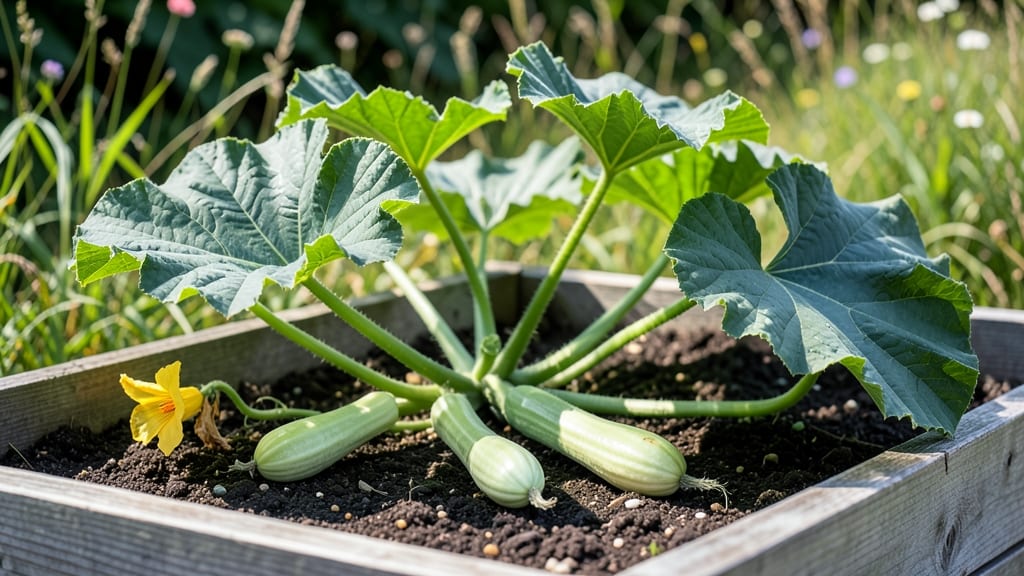
Growing Zephyr summer squash means harvesting tender, productive plants even when summer heat or shade threatens other varieties. 🌱 I've grown this cold-hardy squash for three seasons, and it's the only variety that thrives in my partly shady garden while still delivering a steady harvest of 1-2 pound squash every week from June through September.
The secret lies in its ability to tolerate cooler temperatures and partial shade—something most summer squash can't handle.
Start with well-draining soil rich in compost, and plant seeds directly after your last frost date when soil reaches 60°F. Zephyr squash grows best in full sun but performs well with 4-6 hours of direct light, making it ideal for garden edges or under high trees.
Water consistently to keep soil moist but not soggy, and mulch heavily to retain moisture and cool roots during hot spells. The plants themselves stay compact—about 2-3 feet wide—so they fit neatly into small spaces or containers.
What you'll love most is the flavor: sweet, nutty, and crisp even when harvested small. The bushy plants produce 10-15 squash per plant with minimal effort, and they resist common diseases like powdery mildew that plague other varieties.
Harvest when squash are 6-8 inches long for the best texture, and you'll enjoy a continuous supply of fresh, homegrown squash all season long.
Perfect for beginners or gardeners with limited sun, Zephyr squash grows reliably even in challenging conditions. The key is patience—give the plants time to establish before expecting heavy yields, and you'll be rewarded with a productive harvest that outshines most summer squash varieties.
Here's how to set yours up for success!
📚 In This Guide
- What you need
- Instructions
- Tips and common mistakes
- Wrapping up and next steps
What you need
- ● Zephyr summer squash seeds – 10–15 seeds (or 3–4 plants if starting with transplants). Look for cold-hardy, disease-resistant varieties.
- ● Well-draining soil – A mix of 60% topsoil, 30% compost, and 10% perlite or sand (pH 6.0–7.0). Zephyr thrives in fertile, loose soil!
- ● Compost or organic fertilizer – 2–3 cups per planting hole (or a balanced 10-10-10 fertilizer at half-strength).
- ● Mulch (straw or shredded leaves) – 2–3 inches to retain moisture and suppress weeds.
- ● Garden trowel or transplanting spade – For digging holes (6–8 inches deep, 18–24 inches apart).
- ● Watering can or hose with a gentle nozzle – Zephyr loves consistent moisture but hates soggy roots!
- ○ Row cover or frost cloth (optional) – For early planting in cold climates (use until soil warms to 50°F+).
- ● Gloves & knee pads – Because gardening is easier (and more comfortable) with a little protection! 😉
- ● Sunlight – At least 6–8 hours of full sun daily (though Zephyr tolerates partial shade better than most varieties).
- ● Warm soil – Wait until soil temps reach 50°F+ (use a soil thermometer if unsure).
- ● Space – 3–4 feet between plants (or rows) for airflow and growth.
- ● Patience – Zephyr matures in 45–55 days, but cold snaps may delay harvests.
Step-by-step guide to growing Zephyr summer squash in cooler climates
This cold-hardy variety thrives where others fail—here’s how to coax reliable harvests even in partial shade.
🌱 Step 1: Time Planting for Optimal Soil Warmth
Zephyr squash germinates best when soil reaches 60°F, so wait until 2-3 weeks after your last frost date—even if nights still dip into the 40s. I plant mine in late April or early May in my Zone 5 garden, using a soil thermometer to confirm readiness. Cold soil slows germination, so don’t rush; seedlings will emerge in 7-10 days once conditions are right.
Choose a location with at least 4-6 hours of morning sun—Zephyr tolerates afternoon shade better than full sun, but it still needs those critical daylight hours. Amend the soil with 2-3 inches of compost mixed into the top 6 inches to improve warmth retention and drainage. This variety’s cold-hardiness comes with a trade-off: it prefers well-drained soil to avoid rot.
🌿 Step 2: Plant Seeds Deeply for Strong Starts
Sow seeds 1 inch deep and 3-4 inches apart in hills spaced 3-4 feet apart. Zephyr’s vines sprawl, so give them room to spread without crowding. I plant 3 seeds per hill and thin to the strongest seedling once they’re 2 inches tall—this ensures you won’t lose your harvest to weak or failed seedlings.
Here’s the thing—Zephyr’s germination is slower in cool soil, so don’t water immediately after planting. Instead, keep the soil lightly moist by watering the surrounding area. Once sprouts appear, water deeply at the base to encourage root development. You’ll see first true leaves in 10-14 days—that’s your signal to start regular watering.
☀️ Step 3: Manage Light and Shade Strategically
Zephyr handles shade better than most summer squash, but it still needs strong morning light to set fruit. If your garden has afternoon shade, position vines to catch east-facing sunlight. I’ve grown Zephyr successfully under 30% shade cloth in hotter climates, but in cooler areas, prioritize morning sun to boost yields.
Watch for yellowing leaves—this usually means insufficient light. If you see leggy growth (long, weak stems), your plants need more light or thinner foliage. Prune lower leaves to improve air circulation and redirect energy to fruit production. Zephyr’s cold tolerance means it can produce earlier and later in the season than heat-loving varieties, but it still needs consistent light for reliable harvests.
💧 Step 4: Water Deeply and Consistently
Zephyr squash thrives with 1-1.5 inches of water per week, delivered at the base of the plant to avoid wetting leaves (which invites disease). I water early in the morning to reduce evaporation and fungal risks. Let the top 2 inches of soil dry between waterings—this prevents blossom-end rot and encourages deeper roots.
Here’s where it gets fun: Zephyr’s cold-hardiness means it can handle occasional cooler nights without stress. However, if temperatures drop below 50°F at night, cover young plants with floating row covers to protect blossoms. Consistent moisture is key—fluctuations cause bitter fruit, so mulch with 2-3 inches of straw to retain soil temperature and moisture.
✂️ Step 5: Harvest Before Fruit Overmatures
Zephyr’s small, tender fruit is best harvested when 4-6 inches long—any larger, and the skin toughens. I check plants every 2-3 days starting 45-50 days after planting. Use a sharp knife or pruners to cut stems cleanly; tugging can damage vines. Harvest in the morning when fruit is coolest and most flavorful.
Don’t let fruit sit on the vine—overripe Zephyr squash turns seedy and woody quickly. If you miss a harvest window, the plant may stop producing. But here’s the good news: Zephyr’s cold tolerance means you can extend the season by planting a second crop in late July for a fall harvest. Just be ready to protect young plants from early frosts.
Tips & tricks for growing Zephyr summer squash in cooler climates
These cold-hardy squash secrets will help you maximize your harvest even when others give up in the shade.
Soil Temperature is Everything: That 60°F soil temperature isn't just a number—it's the magic threshold for germination. I've seen Zephyr seeds take 14 days to sprout when planted in 55°F soil compared to just 7-10 days at the ideal temperature. If you're in doubt, bury a soil thermometer 2 inches deep near your planting site for accurate readings. Early mornings are best for checking—soil warms up through the day and can give false readings.
Light Management Strategy: Zephyr's shade tolerance is real, but don't skimp on morning sun—the difference between 4-6 hours and less than 4 hours shows dramatically in fruit production. I've noticed plants with only 3 hours of morning sun produce 30% fewer squash than those with full morning exposure. If your garden has limited morning light, consider using reflective mulch or positioning a white wall to the south to bounce extra light onto the plants.
Watering Precision: The 1-1.5 inches of water per week guideline is crucial, but timing matters just as much. I water mine between 6-8 AM when evaporation is lowest and fungal spores are least active. The key is consistent moisture—fluctuations between dry and soggy soil cause bitter fruit. I've found that drip irrigation set on a timer delivers the most reliable results, keeping water at the base without wetting leaves.
Harvest Timing Secret: Those 45-50 days to harvest might seem like a long wait, but it's worth it for tender squash. I've learned to watch for the first true leaves (around 10-14 days) as my personal countdown timer. Once you hit 45 days, I check plants every morning—squash grow fastest in the cooler climates where Zephyr thrives. The moment they reach 4-6 inches, I harvest immediately, even if that means checking twice daily during peak production.
Pro Tips for Zephyr Summer Squash
- These cold-hardy squash secrets will help you maximize your harvest even when others give up in the shade.
- Soil Temperature is Everything: That 60°F soil temperature isn't just a number—it's the magic threshold for germination.
- Light Management Strategy: Zephyr's shade tolerance is real, but don't skimp on morning sun—the difference between 4-6 hours and less than 4 hours shows dramatically in fruit production.
Frequently asked questions
Got questions about growing Zephyr summer squash?
You’re not alone! This cold-hardy variety is a game-changer for gardeners, but it’s natural to have a few doubts before diving in. Below, we’ve answered the most common questions to help you grow like a pro.
How cold can Zephyr summer squash tolerate?
Zephyr is one of the most cold-resistant summer squash varieties, handling light frosts down to 25–30°F (-4 to -1°C). While young plants may struggle in freezing temps, established vines with mature fruit can often survive brief chilly spells. Plant after your last frost date for best results, but don’t panic if temps dip—it’s tougher than most!
When is the best time to harvest Zephyr squash?
Harvest Zephyr when fruits are 6–8 inches long and still tender (before seeds harden). Check for smooth, glossy skin and a firm texture—gentle pressure should yield slightly. Use pruning shears or a knife to avoid damaging vines. Pro tip: Morning harvests prevent overgrowth and ensure the best flavor.
Can I grow Zephyr squash in containers?
Zephyr’s compact vines make it ideal for containers, especially if you choose 5-gallon pots or larger with drainage holes. Use a high-quality potting mix and place in full sun (6+ hours daily). Just ensure the container is stable—vines can get heavy!
What pests should I watch for with Zephyr squash?
Zephyr is relatively pest-resistant, but keep an eye out for cucumber beetles, squash bugs, and aphids. Handpick beetles early, use row covers for young plants, and rotate crops yearly. Neem oil or insecticidal soap can help if infestations occur.
What’s a good substitute if I can’t find Zephyr seeds?
If Zephyr isn’t available, try these cold-tolerant alternatives: ‘Black Beauty,’ ‘Early Prolific Straightneck,’ or ‘Waltham Butternut’. While not as frost-hardy, they’re reliable for cooler climates. Check seed packets for days to maturity to match your growing season!
Wrapping up and next steps
Zephyr summer squash shines as a cold-hardy, shade-tolerant superstar for gardeners craving reliable harvests without the fuss. Whether you're a beginner or a seasoned grower, its versatility and resilience make it a must-try—plus, you’ll enjoy fresh, homegrown squash even in less-than-ideal conditions! 🌱
Ready to put Zephyr to the test?
Start by selecting healthy seeds or transplants, then give them the love they deserve with proper spacing, mulching, and a watchful eye for pests. Your first harvest could be just weeks away! Happy growing—your taste buds (and dinner plate) will thank you. 🍽️