
Vegetables
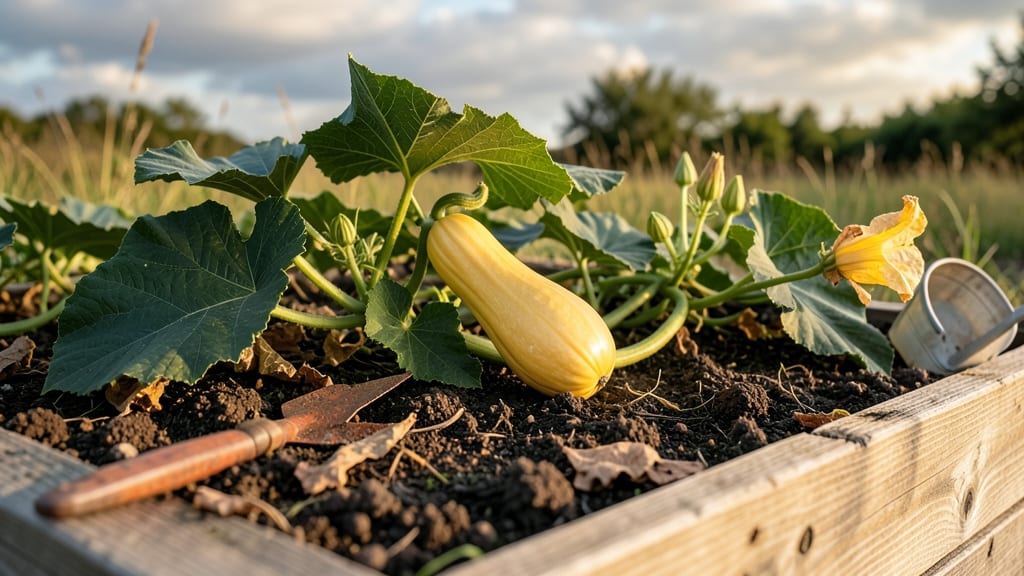
That yellow squash with bumps all over it isn’t ruined—it’s just telling you a story. 🌱 Bumps on squash usually mean either squash bugs, powdery mildew, or just the way some varieties grow (like 'Bush Baby' or 'Eight Ball').
The good news? You can still roast them until caramelized and sweet, but let's fix the cause first.
Squash bugs leave those telltale bumps and yellow eggs under leaves, while powdery mildew creates fuzzy white patches that distort growth. Physiological bumps? Often just genetics—some heirlooms grow this way naturally. The key is checking for pests first and adjusting watering if mildew appears.
You'll fix it with organic sprays (neem oil or insecticidal soap), proper spacing for airflow, and removing affected leaves. Within weeks, your squash will smooth out—or you'll learn to love the bumpy texture for its unique flavor when roasted.
This works for both gardeners dealing with pests and those growing heirlooms intentionally. Either way, your harvest will taste amazing, and you'll know exactly why those bumps appeared.
The Bumpy Truth Behind Squash
If your yellow squash looks more like a textured golf ball than a smooth, edible vegetable, don’t toss it just yet! Those bumps aren’t a sign of spoilage—they’re often a natural (or environmental) response to growing conditions.
Understanding the why behind those bumps helps you decide whether to roast, peel, or even embrace them. Let’s break down the most common causes, backed by science and actionable insights.
Some yellow squash varieties are simply bred to have a bumpier skin. While most store-bought squash (like Yellow Straightneck or Zucchini) tends to be smoother, heirloom or less common types—like Crookneck or Delicata—often develop pronounced ridges, bumps, or warts as they mature.
These aren’t flaws; they’re genetic traits that can even enhance flavor and texture when cooked.
What to do:
- 🔍 Check the seed packet—if you grew it from seed, the description may hint at bumpy tendencies.
- 🍽️ Roast or grill whole—the bumps caramelize beautifully, adding depth to dishes.
- 🧺 Peel if preferred, but save the skin for stocks or compost (it’s nutrient-rich!).
Yellow squash plants are thirsty—they need consistent moisture to grow smoothly. If the soil dries out too much (or gets too wet, then dries abruptly), the plant may develop bumps or irregularities as a stress response. This is especially common in hot, dry climates or when irrigation is inconsistent.
Science behind it: Water stress triggers abscisic acid production, a plant hormone that can alter cell growth, leading to uneven skin formation. Think of it like a human getting goosebumps from cold—your squash is reacting to environmental discomfort.
What to do:
- 💦 Mulch heavily to retain soil moisture and prevent extreme temperature swings.
- 🌡️ Avoid overhead watering—drip irrigation or soaker hoses keep roots happy without wetting the leaves (which can cause disease).
- 🍴 Use bumpy squash in soups or stews, where texture blends into the dish.
Certain pests don’t just eat squash—they physically deform it. Squash bugs, cucumber beetles, and even aphids can cause lumpy, pitted, or scarred skin by feeding on the plant’s sap or laying eggs. If you notice tiny holes, raised scars, or weeping sap, pests are likely the culprit.
How it happens:
- Squash bugs insert their eggs into the stem, causing localized swelling.
- Cucumber beetles chew on young squash, leaving jagged, uneven bumps.
- Viral infections (spread by beetles) can also distort growth, though these often come with yellowing or stunted vines.
What to do:
- 🛡️ Inspect plants weekly and handpick pests (drop them in soapy water!).
- 🌿 Use row covers early to block beetles before they lay eggs.
- 🔪 Cut off severely damaged spots and compost them far from the garden.
- 🍲 Peel and dice bumpy areas for stir-fries or fritters—cooking masks imperfections.
Extreme heat or rapid temperature changes can stunt cell development in squash, leading to bumpy, misshapen fruit. If nights are cool but days blistering hot, the plant may struggle to maintain steady growth. This is common in late summer when heatwaves hit.
Why it matters: High temperatures accelerate photosynthesis but can also disrupt ethylene production, a hormone that regulates fruit shape. Without proper ethylene signaling, squash may grow lopsided or bumpy.
What to do:
- 🌿 Provide shade cloth (30-50%) during peak heat to protect young squash.
- 🌱 Harvest smaller squash—they’re less prone to heat stress and taste sweeter.
- 🍯 Roast with honey and spices to balance any slight bitterness from heat stress.
Pro tip: 💡 Not all bumps are bad! Some heirloom varieties (like Boothby Blonde) are prized for their ridged, bumpy skin, which adds a nutty flavor when roasted. When in doubt, taste-test a small piece—if it’s firm and free of rot, it’s likely safe and delicious.
Fixing Lumpy Yellow Squash
Got bumpy yellow squash? Don’t toss it—turn those irregularities into delicious, caramelized flavor with these simple solutions. Whether your squash has rough skin, uneven growth, or unsightly bumps, we’ve got fixes that work for both the garden and the kitchen. Here’s how to salvage (and even celebrate!) your lumpy harvest.
Cause: Bumps can form due to uneven growth, fungal infections, or environmental stress (like inconsistent watering or poor soil).
Fix It:
- 🍽️ Trim and Roast: Slice off the bumpy sections (or leave them on for extra texture) and roast the squash whole or in chunks. The caramelization will mask any imperfections while adding sweetness.
- 🔥 Peel and Purée: For ultra-smooth results, peel the squash (bumps and all) and blend it into soups, sauces, or hummus. The bumps blend right in!
- 🌡️ Cure with Salt: If the bumps are minor, soak the squash in a 10% saltwater brine (1 cup salt per gallon of water) for 12 hours to draw out moisture and firm up the skin before cooking.
Prevention Tips: ✨ 💡 Space plants properly (18–24 inches apart) to reduce competition and overgrowth. ✨ 🌡️ Keep soil consistently moist—not soggy, not dry—to prevent stress-related bumps. ✨ ✨ Rotate crops to avoid fungal buildup in the soil.
Cause: Squash bugs, beetles, or hail can leave unsightly marks. While they’re safe to eat, they might look less appealing.
Fix It:
- 👨🍳 Grill or Sear: High heat transforms bumpy skin into crispy, flavorful bits. Brush with olive oil, grill cuts-side down, and flip occasionally for even char.
- 🍳 Make Fritters or Chips: Dice the squash (bumps included), dip in batter, and fry or bake until golden. The texture adds fun crunch!
- 🥗 Shred for Stir-Fries: Julienne the squash and sauté with garlic, chili, and sesame oil. The bumps soften quickly and absorb flavors beautifully.
Prevention Tips: 🔥 💡 Use row covers early in the season to deter pests. 🔥 🌿 Plant companion plants like nasturtiums or marigolds to repel squash bugs. 🔥 🎯 Inspect plants weekly and remove eggs or pests by hand (drop them in soapy water).
Cause: Sometimes, bumps are just part of the squash’s quirky charm—no harm done!
Fix It:
- 🥘 Stuff the Bumps: Hollow out the squash (bumps and all), stuff with cheese, grains, or meat, and bake until tender. The bumps add visual interest!
- 🍲 Simmer in Stews: Cube the squash and slow-cook with tomatoes, beans, and spices. The texture breaks down into a creamy, hearty base.
- 🍎 Blend into Smoothies: Yes, really! Peel and seed the squash, then blend with banana, spinach, and almond milk for a surprising (and nutritious) boost.
Prevention Tips: ✨ 🌱 Choose bush varieties like ‘Sunburst’ or ‘Golden Zucchini’ for more uniform shapes. ✨ 🍃 Harvest regularly—smaller squash (6–8 inches) tend to have fewer bumps. ✨ ✨ Accept imperfection! Many heirloom varieties have natural bumps—they’re often sweeter and more flavorful.
Pro Tip: 💡 Never fear the bump! Yellow squash with texture is often more flavorful. Embrace the irregularities—they’re a sign of a healthy, homegrown veggie. 🌟
Frequently asked questions
Are bumpy yellow squash safe to eat?
Yes! Bumps rarely mean spoilage—they're usually from genetics, pests, or growing conditions. Just check for soft spots or mold. If the squash is firm and smells fresh, it's safe to cook. Roasting or grilling caramelizes the bumps into delicious flavor!
What causes those weird bumps on my squash?
Most common causes are squash bugs (look for yellow eggs under leaves), powdery mildew (white fuzzy patches), or genetic traits in heirloom varieties. Heat stress or uneven watering can also create bumpy growth. Start by inspecting leaves and stems.
Can I still grow smooth yellow squash next year?
Choose bush varieties like 'Sunburst' or 'Golden Zucchini' for more uniform shapes. Space plants properly (18-24 inches apart), use drip irrigation for consistent moisture, and rotate crops to prevent fungal buildup. Harvest smaller squash (6-8 inches) to reduce bumps.
How do I cook with bumpy squash?
Embrace the texture! Try roasting whole with olive oil, making fritters with diced pieces, or blending into soups. The bumps caramelize beautifully and add interesting crunch. For smooth dishes, simply peel before cooking—no waste!
Will neem oil help with bumpy squash?
Yes, if the bumps are from pests! Mix 1 tablespoon neem oil with 1 teaspoon mild soap in a gallon of water and spray plants weekly. It repels squash bugs and cucumber beetles while being safe for edible plants. Apply in early morning for best results.