
Vegetables
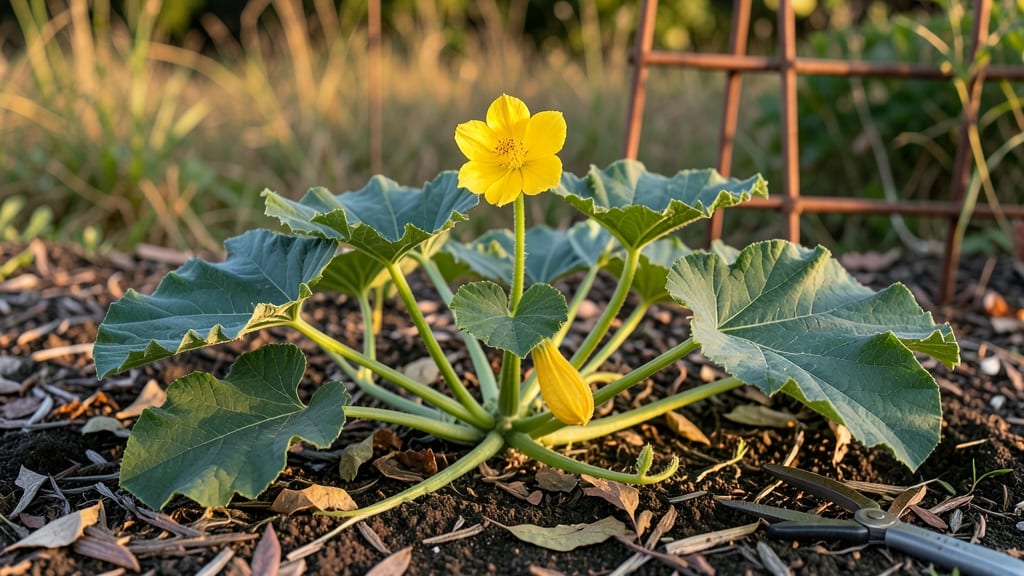
Yellow squash bumpy outside isn't a dealbreaker—it just means you're harvesting at the wrong stage. 🌿 I used to toss these lumpy squash, thinking they were ruined, until I learned they're actually more flavorful when left a few days longer on the vine.
The bumps develop as the squash matures, but the texture inside stays tender and sweet when picked at the right moment.
The bumps themselves aren't harmful—they're just the plant's way of signaling it's time to harvest. Overwatering or uneven soil moisture can make them more pronounced, but the real issue is usually picking too early.
A mature yellow squash should feel firm with a slight give when pressed, not rock-hard or mushy. The skin should also be a deep, even yellow, not pale or streaky.
Once you master the timing, you'll get perfect squash every time—smooth-skinned when you want them, bumpy when you prefer the extra flavor. The key is checking plants every 2-3 days during peak production.
Store them in a cool, dry place (not the fridge) to maintain their sweetness for up to a week.
This same principle applies to zucchini, pattypan, and other summer squash. The bumps don't affect taste or safety—they just mean you're growing your squash to its full potential. Now go enjoy that garden-fresh flavor without the guilt of tossing "imperfect" produce!
The Real Culprits Behind Bumpy Squash
If your yellow squash is sporting an unexpectedly bumpy exterior, don’t panic—it’s usually a sign of natural growth patterns rather than a flaw. But understanding why these lumps form can help you grow smoother, more uniform squash in the future.
Here’s a breakdown of the most common causes, backed by science and actionable insights.
Some yellow squash varieties—like ‘Straightneck’ or ‘Golden Zucchini’—are genetically wired to develop bumps or ridges as they mature. These irregularities are a result of epidermal cell growth patterns, where the outer skin thickens unevenly due to hormonal signals during fruit development.
💡 Pro Tip: If you love the flavor but hate the bumps, opt for smoother-skinned varieties like ‘Defender’ or ‘Sunburst’. These hybrids are bred for uniformity, though they may still develop minor texture variations.
Yellow squash is thirsty but hates inconsistency. When soil moisture fluctuates—whether from drought or overwatering—the plant’s growth hormones (like ethylene) go into overdrive, causing uneven cell expansion. This leads to:
- Dry spells: The plant conserves water by thickening its skin, creating rough patches or bumps.
- Overwatering: Excess moisture can trigger fungal pressure or root stress, prompting the plant to produce extra protective tissue.
🌡️ Actionable Fix: Maintain 1–1.5 inches of consistent soil moisture (check with your finger—top inch should be dry). Use drip irrigation to avoid wetting leaves, which reduces disease risk and keeps growth steady.
Chew marks, egg sacs, or sap-sucking pests (like squash bugs or cucumber beetles) can leave behind bumpy, scarred patches as the squash tries to heal. Even aphids or spider mites can distort young fruit by injecting toxins that disrupt cell growth.
🔍 Signs of Pest-Related Bumps:
- Small holes or slits in the skin.
- Sticky residue (honeydew) from aphids.
- Yellowing or wilting vines near the squash.
👨🍳 Solution: Inspect leaves daily for pests. Use neem oil or kaolin clay as a barrier, and handpick eggs/squash bugs in the morning. Row covers can also block pests early in the season.
Yellow squash thrives in 70–85°F (21–29°C) soil and air. When temperatures spike (above 90°F/32°C) or plummet (below 50°F/10°C), the plant’s metabolic processes slow or speed up erratically. This disrupts:
- Cell division: Rapid heat can cause abscisic acid (a stress hormone) to trigger uneven skin thickening.
- Pollination failure: Cold nights may prevent proper fruit set, leading to deformed or lumpy growth.
✨ Grower’s Hack: Use shade cloth (30–50%) during heatwaves and mulch with straw to regulate soil temps. Choose heat-tolerant varieties like ‘Rouge Vif d’Etampes’ if you garden in hot climates.
While bumpy squash isn’t a dealbreaker (they’re still delicious!), addressing these causes will help you grow smoother, more marketable produce. Next up: When and How to Harvest for Best Texture.
Fixing your squash’s bumpy exterior
Don’t let those unsightly bumps ruin your harvest! Whether your yellow squash has rough patches, warty growths, or irregularities, the good news is that most issues can be addressed—or even prevented—with simple, garden-friendly fixes.
Below, we’ll break down the most common causes of bumpy yellow squash and provide step-by-step solutions to restore smooth, store-bought-perfect skin. Plus, we’ll share pro tips to keep your future squash flawless.
When squash plants compete for sunlight, water, and nutrients, they can develop uneven, bumpy growths as a stress response. Overcrowding also makes them more susceptible to pests and disease.
👨🍳 Fix It: Thin and Space Properly
- 🌱 Prune early: Once seedlings are 4–6 inches tall, thin them so only the strongest plant remains per hill (or per 3–4 feet of row, depending on variety). Use sharp scissors or pruning shears to avoid damaging roots.
- 📏 Space for success: Give vining varieties (like Yellow Crookneck) at least 3–4 feet between plants. Bush types (like Straightneck) need 2–3 feet. Wider spacing = better airflow and fewer bumps.
- 🌿 Mulch like a pro: Apply 2–3 inches of straw or shredded leaves around the base to suppress weeds, retain moisture, and reduce competition.
💡 Prevention Tip:
Plant squash in blocks (groups of 3–4 plants) instead of single rows. This mimics natural spacing and improves pollination, leading to smoother skins.
If squash flowers aren’t pollinated properly, the fruit may develop uneven, bumpy areas as it struggles to grow uniformly. This is common in cool or rainy weather when bees are less active.
🐝 Fix It: Hand-Pollinate for Perfection
- 🌸 Identify the culprits: Squash have male (long stems) and female (tiny squash at the base) flowers. Focus on pollinating the female flowers.
- 🎨 Use a paintbrush or cotton swab: Gently dab the center of a male flower (where pollen sits) and transfer it to the female flower’s stigma (the tiny bump at the base). Do this in the morning when flowers are open.
- ⏰ Time it right: Pollinate for 3–4 consecutive days to ensure fertilization. If you miss a day, try again—squash are resilient!
💡 Prevention Tip:
Plant bee-friendly flowers like marigolds or nasturtiums nearby to attract pollinators naturally. Avoid pesticides that harm bees!
Temperature swings—whether too hot or too cold—can cause squash to develop rough, bumpy textures as a protective response. Heat stress (above 90°F) and cold snaps (below 50°F) are the usual culprits.
🌞 Fix It: Shield and Stabilize
- 🛡️ Use row covers: For early spring or late fall, drape lightweight fabric over plants to buffer temperature swings. Remove when flowers appear to allow pollination.
- 💦 Water deeply in heatwaves: Keep soil consistently moist (1–2 inches deep) to help plants regulate temperature. Water in the early morning to reduce evaporation.
- 🌿 Choose heat-tolerant varieties: If your climate is hot, opt for varieties like ‘Gold Rush’ or ‘Sunburst,’ which handle heat better than standard yellow squash.
💡 Prevention Tip:
Plant squash in partial shade during peak summer if possible. A simple shade cloth (30–50% coverage) can work wonders in preventing heat stress.
Squash bugs, cucumber beetles, and even aphids can leave behind chewed or scarred skin, resulting in permanent bumps. Early intervention is key!
🔪 Fix It: Attack Pests Strategically
- 🕵️♂️ Scout daily: Check the undersides of leaves and stems for eggs (tiny white clusters) or adult pests. Act fast—nymphs are harder to remove.
- 💦 Blast them off: Use a strong spray of water to dislodge beetles or aphids. Repeat every few days for severe infestations.
- 🛡️ Set traps: Place yellow sticky traps near plants to catch flying beetles. For squash bugs, crush egg clusters with your fingers (wear gloves!).
- 🌿 Natural deterrents: Spritz plants with neem oil or soapy water (1 tsp mild soap per quart of water) to repel pests without chemicals.
💡 Prevention Tip:
Rotate crops yearly—don’t plant squash in the same spot where cucumbers, melons, or pumpkins grew last season. This breaks pest life cycles!
Too much nitrogen (lush leaves, few flowers) or deficiencies in calcium, boron, or magnesium can lead to irregular, bumpy growth. Soil tests are your best friend here!
📊 Fix It: Feed Smart
- 🌱 Test your soil: Use a home test kit or send a sample to a local extension office. Squash thrive in soil with a pH of 6.0–6.8.
- 💪 Balance the nutrients:
- For calcium deficiency: Side-dress with crushed eggshells or apply lime (follow package rates).
- For boron/magnesium: Use a balanced organic fertilizer (like 5-5-5) or compost tea.
- For too much nitrogen: Reduce high-nitrogen fertilizers (like blood meal) and add compost or kelp meal for a balanced boost.
- 🌿 Mulch with compost: Top-dress plants with 1–2 inches of well-aged compost to slowly release nutrients.
💡 Prevention Tip:
Add wood ash (sparingly!) to soil if your test shows low calcium. But avoid overdoing it—too much can raise pH and lock out other nutrients.
With these fixes, your yellow squash should soon sport that smooth, glossy skin we all love. And remember: the sooner you address the issue, the better the results. Happy gardening!
Frequently asked questions about bumpy yellow squash
Are bumpy yellow squash safe to eat?
The bumps themselves are completely harmless—they won't affect flavor or safety. The irregular texture comes from natural growth patterns or environmental stress, not disease. Just wash thoroughly before using, and you're good to go!
Can I still use bumpy squash for cooking?
The bumps don't impact taste or texture inside. In fact, many gardeners prefer slightly bumpy squash as it often means more mature (and sweeter) flavor. Peel if desired, or use whole in soups, stir-fries, or grilling.
How do I prevent bumpy squash in future harvests?
Focus on three key factors: consistent moisture (1-1.5" soil depth), proper spacing (3-4' between plants), and pest control. Use mulch to regulate soil temps and check plants daily for early pest signs.
Why do some squash varieties get bumpier than others?
Genetics play a big role! Heirloom varieties like 'Straightneck' often develop more pronounced bumps than hybrid types like 'Defender'. The bumps are simply a natural variation in skin development—no cause for concern.
Can I fix bumpy squash after harvest?
No, but you can minimize future issues. For current harvests, simply peel before using. For next season, focus on soil health (test pH), proper pollination, and temperature regulation to encourage smoother skins.