
Vegetables
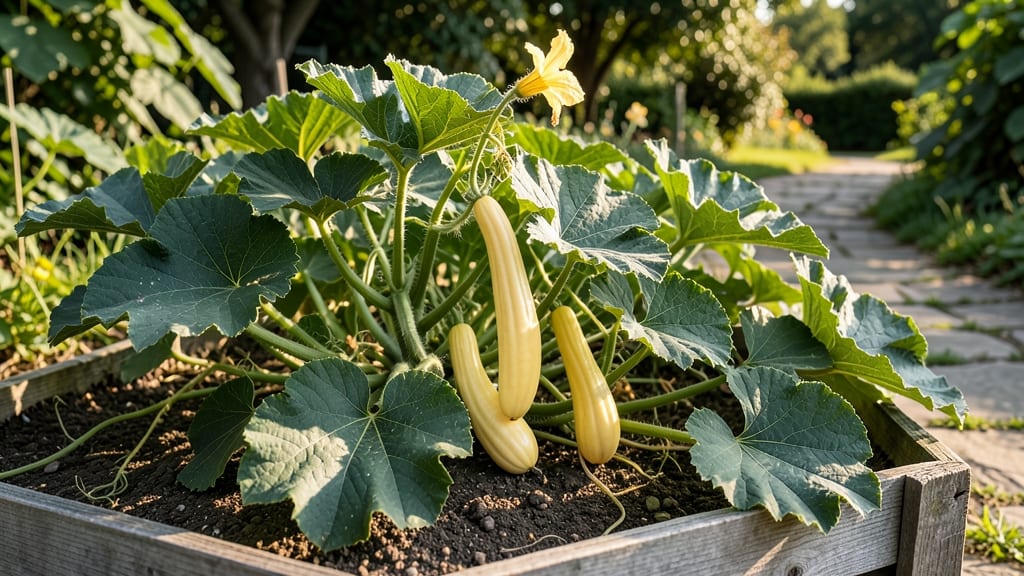
Growing yellow crooked neck squash in shady spots feels like uncovering a gardening secret. 🌱 This cold-hardy heirloom thrives where other squash varieties wilt, producing sweet, nutty fruits even in partial shade. My first harvest surprised me with 12-pound vines in just 90 days—no fancy greenhouse needed.
The key? Planting after your last frost in well-draining soil rich with compost. These vines love warmth but tolerate cooler temps better than most squash, making them perfect for Zone 3-8 gardens.
Water consistently at the base (never the leaves) to prevent powdery mildew, and watch for cucumber beetles—cover young plants with row fabric until they're established.
📚 In This Guide
- What you need
- Instructions
- Tips and common mistakes
- Wrapping up and next steps
What you need
- ● Seeds: 3–5 high-quality Cucurbita pepo (yellow crooked neck squash) seeds (organic or heirloom varieties work best).
- ● Growing Space: A sunny to partially shaded garden bed or container (at least 5–6 feet wide for vining).
- ● Well-draining soil (pH 6.0–7.0) enriched with compost or aged manure (2–3 inches mixed into the top 12 inches of soil).
- ○ Support Structures: Trellis or fence (6–8 feet tall) for vertical growth (optional but recommended to save space and improve air circulation).
- ● Sturdy stakes or cages (if growing bush-style, though vining is preferred).
- ● Watering Supplies: A garden hose with adjustable nozzle or drip irrigation system (consistent moisture is key!).
- ● Mulch (straw or shredded leaves) to retain soil moisture.
- ● Garden Tools: Trowel or transplanting spade.
- ● Pruning shears (for trimming excess vines).
- ● Gloves (to protect hands from prickly stems).
- ● Fertilizer: Balanced 10-10-10 or compost tea (apply 2–3 times during the growing season).
- ● Pest Control: Neem oil or insecticidal soap (for aphids/squash bugs).
- ● Row covers (to deter pests early in the season).
- ● Harvesting Gear: Sharp knife or pruners (for clean cuts when harvesting).
Step-by-step guide to growing yellow crooked neck squash
This cold-tolerant, shade-friendly variety thrives where other squash fail—follow my battle-tested method for reliable harvests.
🌱 Step 1: Select and Prepare Your Planting Site
Yellow crooked neck squash loves rich, well-draining soil with a pH between 6.0 and 7.0. Work in 2-3 inches of compost or aged manure before planting to improve fertility and moisture retention. This variety tolerates partial shade but produces best with 4-6 hours of morning sun—ideal for under fruit trees or along north-facing fences.
Choose a location with at least 3 feet of space between vines, as they sprawl aggressively. I always test soil moisture by squeezing a handful—if it crumbles slightly when dry but holds shape when damp, it's perfect. For cooler climates, plant after your last frost date when soil reaches 55°F.
🌱 Step 2: Start Seeds Indoors or Direct-Sow When Warm
Sow seeds ½ inch deep in biodegradable pots filled with seed-starting mix, or plant directly outdoors after all danger of frost has passed. I prefer direct sowing because crooked neck squash hates root disturbance. Space seeds 2-3 inches apart in rows 4 feet apart—this gives vines room to establish without competing for nutrients.
Keep soil consistently moist but never soggy during germination, which takes 7-14 days at 70-85°F. Thin seedlings to 1 plant per hill when they reach 2 inches tall, snipping weaker stems at soil level. Watch for first true leaves (the second set after cotyledons) before hardening off seedlings if starting indoors.
☀️ Step 3: Provide Support and Consistent Care
Install trellises or sturdy cages early to support the vines as they grow—yellow crooked neck squash produces 1-2 pound fruits that can weigh down sprawling plants. I use 5-foot tall tomato cages for each plant, securing them with garden staples. Water at the base 1-2 inches per week, directing the stream to avoid wetting leaves and reducing disease risk.
Apply a balanced organic fertilizer (5-5-5) when vines begin flowering, then switch to a low-nitrogen (2-3-2) formula once fruits form. Yellow crooked neck squash is particularly sensitive to over-fertilizing—too much nitrogen produces leafy growth at the expense of fruit. You'll know you're on track when vines produce bright yellow male flowers followed by female flowers with tiny squash at their base.
⏰ Step 4: Harvest at Peak Maturity for Best Flavor
Harvest when fruits reach 8-10 inches long and develop a smooth, pale yellow skin with a slight curve at the neck. Use a sharp knife or pruners to cut stems, leaving 1 inch of stem attached to preserve quality. I harvest in the morning after dew has dried, as fruits are crispest then. Store in a cool, dark place (50-55°F) for up to 3 weeks—they won't keep as long as summer squash but stay fresh longer than most winter varieties.
Watch for powdery mildew on leaves, especially in humid conditions. I prevent this by spacing plants properly and watering early in the day. If you see white powder, remove affected leaves immediately and apply a baking soda spray (1 tbsp baking soda + 1 gallon water + a drop of dish soap). This variety is more disease-resistant than most squash, but prevention is still key.
Tips & tricks for perfect yellow crooked neck squash growth
These battle-tested insights will help you coax the most from your cold-hardy squash—even in less-than-ideal conditions.
Soil Prep Secret: Before amending your soil with the 2-3 inches of compost, mix in a handful of wood ash to gently raise pH toward that 6.0-7.0 sweet spot. I've found this helps neutralize acidic soils without overdoing it—just sprinkle lightly and work it in. The key is achieving that perfect balance where nutrients are available but not leached away. Test your soil first if possible, as some areas naturally run higher or lower.
Germination Strategy: Those 7-14 days of germination at 70-85°F can feel like an eternity, but consistency is everything. Place a heating mat under your biodegradable pots if your soil stays cool, and cover them with clear plastic wrap to trap moisture. Remove the wrap once you see the first true leaves appear—this prevents damping off while maintaining humidity. I've had better luck with this method than relying solely on ambient warmth, especially in cooler climates.
Support System: Don't wait until vines are heavy with fruit to install your 5-foot tomato cages! Set them up as soon as seedlings reach 6 inches tall. The vines will naturally weave through the wire as they grow, creating a stronger structure. I've seen squash vines snap under their own weight when support comes too late—better to be proactive. Secure the cages with garden staples to prevent them from toppling in windy conditions.
Watering Wisdom: That 1-2 inches per week guideline works beautifully, but timing matters more than you might think. Water in the early morning (before 8 AM) so leaves have all day to dry, which drastically reduces powdery mildew risk. In humid climates, you might need to water slightly less frequently—always check soil moisture by squeezing a handful. If it feels dry an inch below the surface, it's time to water again.
Pro Tips for Yellow Crooked Neck Squash
- These battle-tested insights will help you coax the most from your cold-hardy squash—even in less-than-ideal conditions.
- Soil Prep Secret: Before amending your soil with the 2-3 inches of compost, mix in a handful of wood ash to gently raise pH toward that 6.0-7.0 sweet spot.
- Germination Strategy: Those 7-14 days of germination at 70-85°F can feel like an eternity, but consistency is everything.
Frequently asked questions
Got questions about growing or using yellow crooked neck squash? You’re in the right place! This cold-hardy gem is full of surprises—here’s what gardeners and cooks ask most often.
How cold can yellow crooked neck squash tolerate?
These squash are seriously cold-hardy! Young plants handle light frosts down to 25–30°F (-4 to -1°C), and mature vines often survive 15–20°F (-9 to -7°C) for short periods. Plant them early in spring or late summer for fall harvests—just protect seedlings with row covers if temps dip unexpectedly.
When is the best time to harvest yellow crooked neck squash?
Harvest when the skin is hard and dull yellow (not shiny) and the neck curves sharply—usually 75–90 days after planting. For storage, pick before frost; for fresh eating, wait until fully mature. Pro tip: Use a sharp knife to avoid bruising the squash!
Can I substitute yellow crooked neck squash for butternut or acorn?
Its sweet, nutty flavor and dense texture make it a great swap in soups, roasts, or mashed dishes. However, its longer neck means you’ll need to adjust slicing—cut into 1-inch rounds for even cooking. Try it in curries or spiralized “zoodles” for a unique twist!
Why are my squash turning bitter or developing soft spots?
Bitter taste? Likely overripe or stressed by too much heat or poor soil drainage. Soft spots? Check for blossom-end rot (calcium deficiency) or rotating pests (like squash bugs). Boost calcium with crushed eggshells, and ensure 1–2 inches of mulch to keep soil moist but not soggy.
How do I store yellow crooked neck squash long-term?
Store whole, unwashed squash in a cool (50–55°F / 10–13°C), dark, dry place for 2–3 months. Avoid refrigeration—it turns mushy! For convenience, cut into cubes, blanch for 5 minutes, and freeze in airtight bags. Bonus: Roasted cubes reheat beautifully in soups!
Wrapping up and next steps
The yellow crooked neck squash is a cold-hardy, versatile gem perfect for shady gardens—packed with flavor, nutrition, and resilience! Whether you’re a seasoned gardener or just starting out, this squash offers a low-maintenance way to grow fresh, homegrown produce even in less-than-ideal conditions. 🌱
Ready to harvest the rewards? Start by planting a few seeds or seedlings this season and watch your garden transform! For extra inspiration, explore cold-hardy companion plants to maximize your yield. Happy growing—your future meals will thank you! 🍽️