
Vegetables
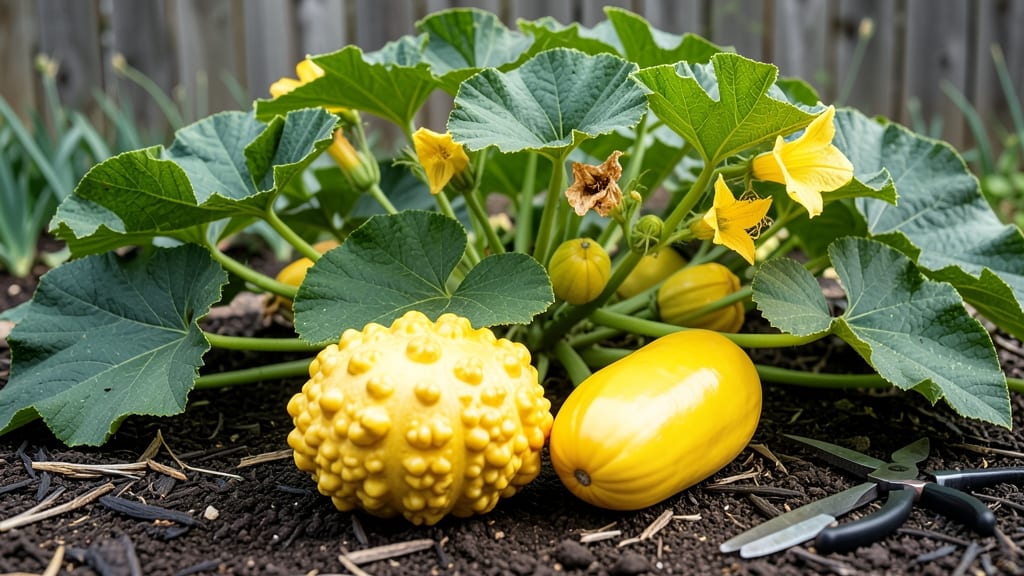
Why do my yellow squash have bumps? Those mysterious bumps aren’t just cosmetic—they’re your plants’ way of fighting back. 🌱 I’ve seen this happen in my own garden, and while it’s frustrating, understanding the cause means you can take control.
These bumps often signal squash bugs, viral infections like cucumber mosaic, or even environmental stress from heat or poor soil.
The good news? Most bumps are manageable with the right approach. Squash bugs leave behind oval eggs and skeletonized leaves, while viral infections show up as distorted growth and yellowing. Environmental stress might create smaller, uneven bumps without other symptoms. The key is identifying which issue you’re dealing with first.
Once you know the cause, you can act fast. For squash bugs, handpick adults and eggs, or use neem oil as a natural deterrent. Viral infections require removing affected plants and preventing spread through clean tools.
If it’s environmental, focus on consistent watering and balanced soil to help your squash recover.
Don’t let these bumps stress you out—they’re a sign your plants are resilient. With the right steps, you’ll have smooth, healthy squash ready for harvest in no time. Let’s get to the root of the problem!
Root Causes Of Bumpy Squash
If your yellow squash is sporting unexpected bumps, don’t panic—it’s usually a sign of nature’s built-in defense mechanisms or environmental stressors. Understanding the why behind these bumps helps you take targeted action to improve next season’s harvest.
Below, we break down the most common culprits, from genetic quirks to pest attacks, with clear explanations and actionable insights.
Not all bumps are a cause for alarm! Some yellow squash varieties—like ‘Defender’ or ‘Gold Rush’—develop natural wrinkled or bumpy skin as they mature. This texture is a genetic trait, often linked to:
- Thicker cell walls: Some squash develop uneven cell growth, creating a rough, bumpy surface. Think of it like the dimples on a golf ball—just part of the plant’s DNA.
- Hybrid traits: Crossbreeding squash with wild varieties can introduce bumpy textures. If your squash looks like this year’s but last year’s were smooth, genetics might be to blame.
- Over-maturation: Squash left on the vine too long can develop hard, knobby growths as they prioritize seed production over fruit smoothness.
💡 Pro Tip: If the bumps are firm, not soft or spongy, and the squash tastes fine, they’re likely just a quirky trait. Save seeds from your favorite bumpy (or smooth!) squash to grow next year!
When bumps appear suddenly or feel soft, spongy, or discolored, pests are often the culprits. Two common offenders:
🔍 Squash Bugs (Anasa tristis)
These shield-shaped insects pierce squash vines to feed on sap, injecting toxins that cause:
- Raised, blister-like bumps (often yellow or white) on the squash’s surface.
- Stunted growth or deformed fruit if the bugs attack young squash.
- Black fecal spots near feeding sites.
🔥 Action Plan:
- Handpick bugs (crush them—they stink when squashed!) or use a soapy water spray.
- Place yellow sticky traps near plants to monitor populations.
- Apply neem oil or kaolin clay as a barrier.
🐞 Cucumber Beetles (Acalymma spp.)
These striped or spotted beetles chew irregular holes in squash, leaving behind:
- Rough, pitted bumps where tissue is damaged.
- Silvering or scarring on the squash’s surface.
- Increased risk of bacterial wilt (a fatal disease they spread).
👨🍳 Prevention:
- Use row covers early in the season to block beetles.
- Plant traps like radishes or nasturtiums to lure them away.
- Rotate crops annually to disrupt their lifecycle.
Fungal diseases thrive in humid, crowded conditions and can distort squash growth, creating bumpy, wart-like or cauliflower-like textures.
🌫️ Powdery Mildew (Podosphaera xanthii)
This white, powdery fungus distorts new growth, causing:
- Raised, irregular bumps on leaves and squash.
- Yellowing or curling of affected areas.
- Reduced fruit quality if severe.
🌡️ Treatment:
- Improve air circulation by spacing plants 2–3 feet apart.
- Spray with a baking soda mix (1 tbsp baking soda + 1 tsp soap per gallon of water).
- Avoid overhead watering to keep foliage dry.
🍅 Anthracnose (Colletotrichum orbiculare)
This soilborne fungus causes sunken, bumpy lesions that ooze in wet conditions. Look for:
- Dark, raised spots that feel rough like sandpaper.
- Cracking or splitting of the squash skin.
- Premature fruit drop in severe cases.
✨ Prevention:
- Rotate crops with non-squash plants (like beans or grasses) for 3 years.
- Use copper fungicide at the first sign of lesions.
- Remove and destroy infected squash (don’t compost!).
Watering issues can lead to abnormal cell growth, resulting in bumpy, lumpy, or cracked squash. Here’s how:
🌊 Overwatering & Poor Drainage
Soggy soil stresses roots, causing:
- Spongy, soft bumps (from excess moisture trapped in cells).
- Blossom-end rot-like symptoms (dark, sunken spots).
- Fungal infections (like anthracnose) to take hold.
🔪 Fix It:
- Water deeply but infrequently (1–2 inches per week).
- Amend soil with compost to improve drainage.
- Use mulch to retain moisture without waterlogging.
☀️ Heat Stress & Irregular Watering
Fluctuating temperatures and uneven watering can cause:
- Hard, knobby growths where cells expand unevenly.
- Cracking or splitting as squash grow too quickly.
🎯 Solution:
- Water consistently (early morning is best).
- Use drip irrigation to avoid wetting leaves.
- Provide shade cloth during extreme heat waves.
Now that you know the why, your next step is to inspect your squash closely—are the bumps hard and genetic, soft and pest-related, or fungal and fuzzy?
Armed with these clues, you can tackle the issue head-on and enjoy smoother (or at least healthier!) yellow squash next season! 🥒🔍
Fixing Bumpy Squash Naturally
Now that you know what’s causing those unsightly bumps on your yellow squash, it’s time to take action! The good news is that most of these issues can be managed—or even prevented—with simple, garden-friendly solutions.
Below, we’ll break down the fixes based on the most common causes, along with tips to keep your squash smooth and thriving.
If tiny holes, chewed edges, or sticky residue are the culprits, pests are likely to blame. Here’s how to evict them for good:
🔥 Step 1: Handpick & Destroy
- 👨🍳 Early morning or evening, when pests are sluggish, inspect leaves and stems for eggs (tiny yellow clusters) or adults.
- 🔪 Drop them into soapy water—never compost them!
This prevents reinfestation. - 🌿 Focus on undersides of leaves and vines, where eggs hide.
🥘 Step 2: Use Natural Repellents
- 🌿 Neem oil spray: Mix 1 tbsp neem oil + 1 tsp mild soap in 1 quart of water.
Spray every 5–7 days (especially after rain). - 🌿 Diatomaceous earth (DE): Sprinkle food-grade DE around the base of plants (avoid direct contact with squash to prevent harm).
Reapply after watering. - 🌿 Row covers: Use floating row covers (lightweight fabric) over young plants to block beetles and bugs. Remove when flowers appear for pollination.
🎯 Step 3: Trap & Remove Adults
- 🍎 Yellow sticky traps: Place these near plants to catch flying beetles.
- 🌡️ Beer traps: Bury a cup filled with beer at soil level—beetles will drown in it overnight.
✨ Prevention Tips
- 💡 Rotate crops: Avoid planting squash in the same spot yearly (wait 3 years before replanting).
- 🌱 Interplant with pest-repelling herbs: Basil, marigolds, and nasturtiums deter squash bugs.
- 🌿 Clean up debris: Remove old vines and leaves in fall to eliminate overwintering pests.
If your squash has white powdery spots or bumpy, discolored patches, fungi could be the problem. Here’s how to fight back:
🌿 Step 1: Improve Airflow
- 🌬️ Prune vines to allow sunlight and air to reach all parts of the plant.
- 🌱 Space plants 3–4 feet apart (crowding encourages mildew).
💦 Step 2: Spray Fungicides
- 🌿 Baking soda spray: Mix 1 tbsp baking soda + 1 tbsp oil + 1 tsp soap in 1 gallon of water. Spray weekly for prevention.
- 🌿 Copper fungicide: Follow label instructions for treatment (best for severe cases).
🥗 Step 3: Adjust Watering Habits
- 💧 Water at the base (avoid wetting leaves) in the early morning.
- 🌧️ Avoid overhead sprinklers, which spread fungal spores.
🔥 Prevention Tips
- 💡 Choose resistant varieties: Look for squash labeled “powdery mildew-resistant.”
- 🌱 Mulch with straw: Keeps soil moist (but not soggy) and reduces spore splash.
- 🌿 Harvest promptly: Overripe squash is more susceptible to rot.
If bumps appear due to poor pollination, uneven watering, or heat stress, focus on optimizing growing conditions:
🌞 Step 1: Ensure Proper Pollination
- 🐝 Hand-pollinate: If bees are scarce, gently transfer pollen with a soft brush from male (long stem) to female (tiny squash at base) flowers.
- 🕒 Plant in warm weather: Squash thrives in 75–90°F soil—wait until night temps stay above 55°F.
💧 Step 2: Water Consistently
- 🌱 Keep soil evenly moist (1–2 inches deep). Drought or excess water causes misshapen fruit.
- 🌧️ Use drip irrigation to avoid wetting leaves (reduces disease risk).
🌡️ Step 3: Protect from Extreme Heat
- 🌿 Provide shade cloth (30–50% coverage) if temps exceed 95°F.
- 🌱 Mulch heavily with straw to retain moisture and cool roots.
🎯 Prevention Tips
- 💡 Start seeds indoors (6–8 weeks before last frost) for a head start.
- 🌱 Choose heat-tolerant varieties like ‘Gold Rush’ or ‘Butternut.’
Some squash varieties—like acorn or delicata—naturally have bumps, ridges, or warts. If your yellow squash is a heirloom or specialty type, those bumps might just be part of its charm!
🔍 How to Tell the Difference
- 🌿 Check the variety: If bred for bumps (e.g., ‘Warty Squash’), embrace them!
- 🍎 Compare to healthy fruit: If bumps are uniform and firm, they’re likely genetic.
🌱 What to Do Instead
- 💡 Grow what you love: If you prefer smooth squash, opt for straightneck or yellow crookneck varieties.
- 🌿 Enjoy the uniqueness: Bumpy squash often has better flavor and texture—try roasting or grilling it!
If a plant is heavily diseased (e.g., powdery mildew covering leaves) or pest-ridden, it’s best to pull and destroy it to prevent spread. Replace with a new, healthy plant if needed.
Remember: The key to smooth, blemish-free squash is prevention—healthy soil, proper care, and quick action when issues arise. With these fixes, you’ll be harvesting perfect yellow squash in no time! 🎉🍆
Frequently asked questions
Are bumpy yellow squash always a sign of problems?
Not necessarily! Many heirloom varieties like ‘Defender’ or ‘Gold Rush’ develop natural bumps as they mature. If the bumps are firm, uniform, and the squash tastes fine, they’re likely just genetic traits. Check your seed packet—some squash are bred to have textured skin!
How can I tell if squash bugs are causing the bumps?
Look for raised, blister-like bumps (often yellow or white) paired with black fecal spots on leaves. Squash bugs also leave behind skeletonized leaves where they’ve fed. Handpick adults (they stink when crushed!) and check leaf undersides for tiny yellow egg clusters.
Will baking soda really help with powdery mildew?
Yes! Mix 1 tbsp baking soda + 1 tbsp oil + 1 tsp soap per gallon of water and spray weekly. This disrupts fungal spores while being safe for plants. For severe cases, add copper fungicide. Always spray early morning so the solution dries before evening dew forms.
Can I still eat squash with bumps from pests or disease?
It depends! If the bumps are from squash bugs or beetles, wash thoroughly and remove damaged areas. For fungal issues like anthracnose, avoid eating affected parts—those areas may harbor harmful pathogens. When in doubt, peel and cook the edible portions to ensure safety.
What’s the fastest way to prevent bumps next season?
Start with crop rotation (wait 3 years before replanting squash in the same spot) and use row covers early in the season. Plant pest-repelling herbs like basil or marigolds nearby, and maintain consistent watering (1–2 inches per week) to avoid stress-related bumps.