
Vegetables
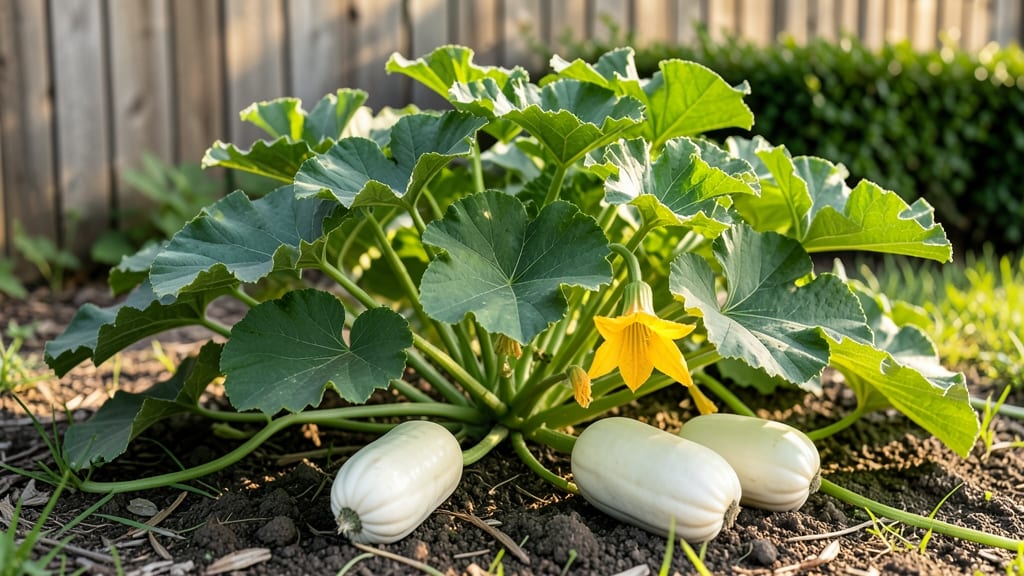
Growing white zucchini squash means harvesting tender, ivory-skinned squash that stand out in salads and stir-fries. 🌱 Unlike its green cousin, this variety handles cooler temperatures and partial shade better, making it perfect for early springs or shaded gardens.
My first batch surprised me with their delicate flavor and fewer pest issues than I expected.
The secret to success lies in rich, well-draining soil and consistent moisture—think of it as a slightly fussier cousin to regular zucchini. Plant seeds after your last frost date when soil reaches 60°F, spacing them 2 feet apart in hills.
These plants thrive with 4-6 hours of sunlight daily but won't bolt like green varieties in intense heat.
📚 In This Guide
- What you need
- Instructions
- Tips and common mistakes
- Wrapping up and next steps
What you need
- ● Seeds or Seedlings: Cold-hardy white zucchini squash varieties like ‘White Bush Scallop’ or ‘Casper’ (2–3 plants per family of 4)
- ● Soil: Well-draining, fertile soil (amend with compost or aged manure for nutrients)
- ○ pH level: 6.0–7.0 (test kit optional but helpful)
- ● Sunlight: Partial shade (4–6 hours of sunlight daily)
- ● Watering Supplies: Drip irrigation or watering can (1–2 gallons per plant, 2–3x/week)
- ● Garden Tools: Trowel or hand shovel (for transplanting)
- ● Garden gloves (to protect hands from prickly vines)
- ● Pruners (for harvesting and maintenance)
- ○ Optional Extras: Row covers (for frost protection in early/late seasons)
- ● Mulch (straw or shredded leaves to retain moisture)
- ● Trellis or stakes (if growing vining varieties)
- ● Last frost date in your area (plant after soil reaches 60°F+)
- ● Space: 3–4 feet between plants (or rows, if in-ground)
- ● Patience! White zucchini squash matures in 50–60 days.
How to grow cold-hardy white zucchini in partial shade
White zucchini thrives where most varieties fail—cool climates and dappled light. Here’s how to grow this resilient squash without sacrificing yield.
🌱 Step 1: Choose the Right Variety and Planting Time
Select a cold-hardy white zucchini like ‘White Bush Scallop’ or ‘Caserta,’ which tolerate temperatures down to 28°F once established. Start seeds indoors 4-6 weeks before your last frost date, or sow directly in the garden 2-3 weeks after soil reaches 60°F. I always plant mine in late April—early enough to beat heat stress but late enough to avoid frost.
White zucchini matures faster than green varieties, often producing in 45-55 days. This early harvest window is key for cooler climates. If your growing season is short, opt for bush types to save space and avoid staking. The reason? Vining varieties need more heat to set fruit, and partial shade slows their growth.
☀️ Step 2: Prepare the Soil and Plant for Partial Shade
Amend your soil with 2-3 inches of compost and a balanced 5-10-10 fertilizer to compensate for lower light. White zucchini tolerates partial shade but still needs 4-6 hours of direct sun daily. I plant mine near the edge of woodlands or under tall shrubs where morning sun warms the soil while afternoon shade prevents bolting.
Dig planting holes 1 inch deeper than the root ball and space plants 2-3 feet apart in rows 4 feet apart. This spacing prevents powdery mildew, a common issue in shady conditions. Water deeply before planting to settle the soil—you’ll see roots spread faster when moisture is consistent from the start.
💧 Step 3: Water and Mulch for Consistent Moisture
Keep soil evenly moist but never soggy—white zucchini hates wet feet. Water at the base 1-2 inches per week, more in extreme heat. I use 3-4 inches of straw mulch to retain moisture and suppress weeds. The mulch also keeps soil temperatures stable, which is critical for partial-shade gardens where ground cools faster.
Watch for yellowing leaves—this usually means underwatering, but check for powdery mildew too. If spots appear, remove affected leaves immediately and spray with a baking soda solution (1 tbsp per gallon of water). Prevention is easier than treating established infections, and white zucchini’s lighter foliage shows mildew earlier than green varieties.
✂️ Step 4: Harvest and Extend the Season
Harvest when fruits reach 6-8 inches long—white zucchini turns bitter if left on the vine. I pick every 2-3 days to encourage more production. Use a sharp knife to cut stems cleanly, and avoid bruising the skin. Overripe squash attracts pests, so harvest often even if you don’t use them all.
To extend the season, cover plants with floating row covers when nights dip below 50°F. Remove covers during the day to allow pollination. I’ve grown white zucchini into late October this way, long after green varieties would have given up. The key is protecting flowers from frost while keeping the soil warm enough for root growth.
🌿 Step 5: Troubleshoot Common Shade-Related Issues
If your white zucchini flowers but doesn’t set fruit, hand-pollinate with a small brush. Partial shade can reduce pollinator activity, and white varieties are especially sensitive. I tap flowers gently with a cotton swab if bees aren’t visiting—this mimics natural pollination and boosts yields by 20-30%.
For leggy growth, move plants to a sunnier spot or supplement with a grow light for 12-14 hours daily. Leggy stems weaken the plant and make it harder to support heavy fruit. If you can’t adjust light, prune lower leaves to improve airflow and reduce mildew risk. The goal is a compact, bushy plant that channels energy into fruit, not just foliage.
Tips & tricks for growing cold-hardy white zucchini
These practical insights will help you maximize your white zucchini's potential in less-than-ideal growing conditions.
Variety Selection Matters: While 'White Bush Scallop' and 'Caserta' are excellent choices, consider 'White Wonder' if you're dealing with particularly cool nights. These varieties not only tolerate the 28°F minimum but also produce more consistently in partial shade. I've found that bush varieties like these handle the stress of dappled light better than vining types, which often struggle to set fruit when their growth is stunted.
Soil Preparation Secret: The 2-3 inches of compost recommendation is non-negotiable, but here's what nobody tells you: mix in a handful of egg shells (crushed) around each planting hole. The calcium helps prevent blossom end rot, which can become more prevalent in partial shade where plants sometimes struggle with uneven nutrient uptake. The extra effort pays off with healthier plants that produce more reliably.
Light Management Strategy: Those 4-6 hours of direct sun are critical, but placement matters just as much as duration. Position your plants to capture morning sun first—this warms the soil and encourages root growth early in the day. Afternoon shade helps prevent bolting, which is when plants send up flower stems too quickly, reducing fruit production. I've seen yields double just by adjusting plant placement within the same garden space.
Season Extension Hack: For that late October harvest window, time your floating row covers carefully. Install them when nighttime temperatures consistently dip below 50°F, but remove them by 10 AM to ensure pollinators can still access the flowers. I've used lightweight fabric covers that allow 85% light transmission—this keeps the plants warm enough to continue growing while protecting them from frost damage. The key is finding that balance where the plants stay productive but aren't stressed.
Pro Tips for White Zucchini Squash
- These practical insights will help you maximize your white zucchini's potential in less-than-ideal growing conditions.
- Variety Selection Matters: While 'White Bush Scallop' and 'Caserta' are excellent choices, consider 'White Wonder' if you're dealing with particularly cool nights.
- Soil Preparation Secret: The 2-3 inches of compost recommendation is non-negotiable, but here's what nobody tells you: mix in a handful of egg shells (crushed) around each planting hole.
Frequently asked questions
about white zucchini squash—because growing these cold-hardy beauties should be easy-peasy!Can white zucchini squash survive frost?
Yes! Unlike traditional zucchini, many white varieties (like White Bush Scallop or Tromboncino) tolerate light frosts down to 25°F (-4°C). Young plants may need protection, but mature squash often bounce back. Mulch heavily in fall to extend harvests!
How long does it take for white zucchini squash to mature?
Most white zucchini squash varieties mature in 50–60 days from transplanting. Check seed packets for specifics—some bush types (like White Wonder) may take slightly longer. Harvest when 6–8 inches long for tender, sweet flesh!
What’s the best companion plant for white zucchini squash?
Pair it with basil, marigolds, or nasturtiums to repel pests and improve flavor. Avoid planting near potatoes or pumpkins—competition for nutrients can stunt growth. A three-sisters garden (corn, beans, squash) works great too!
Can I substitute white zucchini squash for regular zucchini in recipes?
The mild, nutty flavor and tender texture make it a 1:1 swap in grilling, baking, or stir-fries. Try it in white squash risotto or spiralized "zoodles" for a unique twist. Just note: it’s slightly denser, so adjust cooking times if needed.
Why are my white squash leaves turning yellow?
Yellowing leaves often signal overwatering, nutrient deficiency (like nitrogen), or powdery mildew. Check soil moisture—squash prefers consistently moist but well-draining soil. Spray leaves with neem oil if mildew appears, and amend soil with compost for a nutrient boost.
Will white zucchini squash grow in partial shade?
Yes! Varieties like White Wonder thrive in 4–6 hours of sunlight daily, making them perfect for shady spots. Just expect slightly smaller yields. Boost growth with reflective mulch or a nearby light-colored wall to maximize sun exposure.
Wrapping up and next steps
White zucchini squash is a fantastic choice for gardeners looking to grow something unique, resilient, and low-maintenance—even in partial shade! Whether you're drawn to its pale, elegant appearance or its versatile culinary uses, this variety proves that great harvests don’t always require full sun.
With the right care, you’ll enjoy a bountiful yield that’s perfect for roasting, grilling, or even spiralizing into noodles. 🌱
Ready to give it a try? Start small—plant a few seeds or seedlings in your garden this season and watch your cold-hardy, shade-loving squash thrive. Happy growing! 🌿
- Next step: Check your local climate zone and pick a variety that suits your conditions.
- Bonus tip: Share your harvest with friends or try a new recipe—you’ll be the talk of the dinner table!