
Pests and Diseases
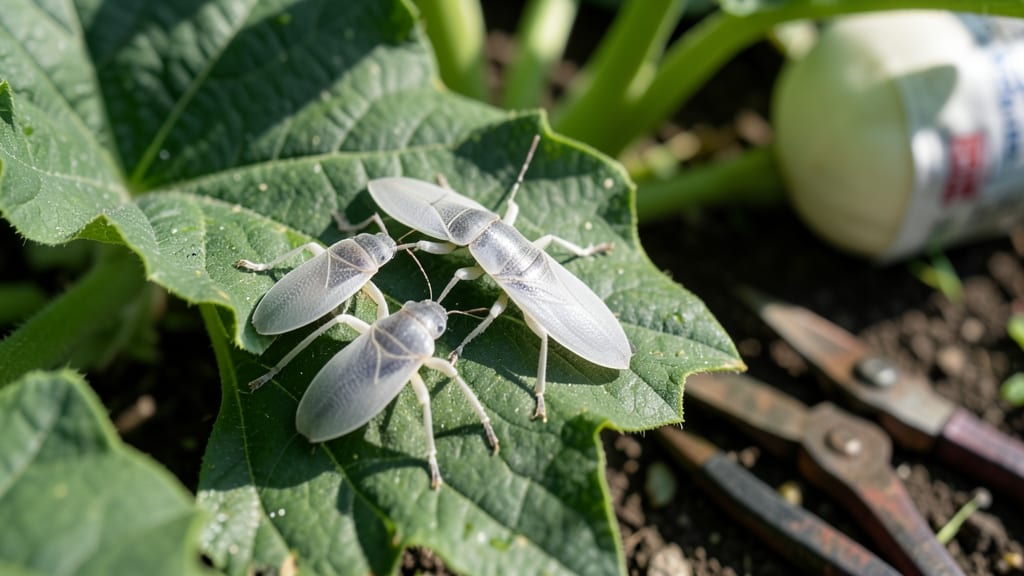
White squash bugs turn your thriving vines into sad, yellowing skeletons. 🌿 I’ve battled these shield-shaped pests for years, and I’ve learned which tricks actually work—and which just waste time.
The moment you spot their telltale white eggs clustered under leaves, you’re in a race against time to save your squash, zucchini, and pumpkins. These bugs thrive in hot, dry weather, and their damage isn’t just unsightly—it’s devastating.
Look for stippled leaves, wilting vines, and sticky honeydew trails (that’s their way of saying, “We’re winning”). The key to stopping them? Act fast with organic methods like neem oil, kaolin clay, or handpicking (yes, it’s disgusting but effective).
I’ll show you exactly how to break their life cycle before they break your plants. By the end, you’ll know how to identify them early, eliminate them organically, and prevent future infestations. No more losing your entire harvest to these sneaky invaders.
Let’s get your garden back on track—without harsh chemicals.
Here’s the truth: most gardeners make the same mistakes. They wait too long to act, rely on ineffective sprays, or ignore the eggs hiding under leaves. I’ve tried the wrong solutions too—like overwatering to “flush them out” (spoiler: it doesn’t work).
The real fix starts with scouting your plants weekly, especially on the undersides of leaves where eggs hide like little white landmines.
Once you spot them, neem oil is your first line of defense—it disrupts their life cycle and smells terrible to them (which is a good thing). For severe infestations, kaolin clay creates a barrier they can’t cross, and row covers are a game-changer if you catch them early.
The goal? Starve them out before they starve your plants. I’ll walk you through the step-by-step process so you can reclaim your garden without chemicals.
Even with the best methods, some infestations are too much to handle alone. If your plants are already 50% damaged or you’re dealing with a neighborhood-wide outbreak, it’s time to call in the pros.
But for most gardeners? This guide gives you everything you need to win the battle—and keep your squash bugs from winning again next year.
Root Causes Of Pest Infestations
Understanding why these pests appear in your garden is the first step to preventing and managing them effectively. White squash bugs (and their close relatives) don’t just show up randomly—they’re drawn by specific conditions that make your plants an all-you-can-eat buffet.
Let’s break down the science behind their arrival and persistence.
White squash bugs are specialized feeders—they target plants in the Cucurbitaceae family, which includes squash, pumpkins, cucumbers, and melons. If you grow these crops, your garden is essentially a neon sign for them. Here’s why:
- Nutrient-rich sap: These bugs thrive on the sweet, nutrient-dense sap of cucurbit plants. The higher the plant’s vigor, the more attractive it becomes to them.
- Lack of natural predators: Young cucurbit plants are particularly vulnerable because they haven’t yet developed thick, protective skins or secondary metabolites that deter pests.
- Monoculture gardens: Planting large blocks of the same crop (e.g., a whole row of zucchini) creates a perfect storm—it’s easier for bugs to find, feed, and reproduce in dense plantings.
Actionable fix: Interplant cucurbits with non-host plants like herbs (basil, thyme), marigolds, or nasturtiums to disrupt their feeding patterns. Rotate crops annually to starve out overwintering adults.
These pests are cold-intolerant but love warmth and humidity. They’re most active when temperatures hover between 75–90°F (24–32°C), which is why they’re a common nuisance in:
- Southern U.S. states (e.g., Texas, Florida, Georgia)
- Greenhouse environments
- Warmer microclimates (e.g., south-facing gardens, low-lying areas)
Here’s the science:
- Development speed: Eggs hatch faster in warm soil (as little as 5–7 days at 80°F/27°C vs. weeks in cooler temps). Adults lay 20–30 eggs per clutch, and warm weather accelerates their reproductive cycle.
- Overwintering survival: Adults seek shelter in leaf litter, garden debris, or nearby structures (like fences or sheds) to survive winter. If your garden has poor drainage or thick mulch, it creates ideal hiding spots.
Actionable fix: Use row covers in early spring to block adults from laying eggs. Remove garden debris in fall to eliminate overwintering sites. In hot climates, water deeply in the early morning to boost plant resilience without creating humid conditions that attract bugs.
White squash bugs and their eggs are master hitchhikers. They exploit gardens that lack basic sanitation, turning your space into a breeding ground. Key factors include:
- Volunteer plants: Squash, pumpkin, or cucumber plants that sprouted from last year’s seeds (or dropped fruit) provide a head start for bugs. Even dead vines can harbor eggs for months.
- Weeds as hosts: Some weeds (e.g., buffalo gourd, Cucurbita species) act as alternative hosts, allowing bugs to persist even if you remove your main crops.
- Contaminated tools/transplants: Eggs or nymphs can cling to pruners, trellises, or store-bought seedlings, introducing them to pest-free gardens.
Actionable fix:
- 🔥 Clean up thoroughly: Pull and destroy (don’t compost) all cucurbit debris after harvest. Soak garden tools in a 10% bleach solution or rubbing alcohol to kill hidden eggs.
- 🌱 Inspect transplants: Rinse new plants under water before planting to dislodge eggs. Check the undersides of leaves and stems.
- 🌿 Weed regularly: Remove weeds in the Cucurbitaceae family (like wild gourds) from your garden’s perimeter.
In a balanced ecosystem, white squash bugs face predators like lady beetles, big-eyed bugs, parasitic wasps, and spiders. But if your garden lacks biodiversity, these pests thrive unchecked. Common reasons:
- Pesticide use: Broad-spectrum chemicals (e.g., neonicotinoids, pyrethroids) kill beneficial insects alongside pests, creating a pesticide desert where bugs rebound.
- Monoculture landscapes: Gardens with only a few plant types offer no habitat for predator species that need diverse food sources (e.g., pollen, alternative prey).
- Urban/suburban isolation: Backyard gardens surrounded by lawns or pavement lack the edge habitats where predators (like ground beetles) thrive.
Actionable fix:
- 🌿 Plant companion flowers: Add dill, fennel, or yarrow to attract parasitic wasps. Sweet alyssum and cosmos lure lady beetles.
- 🐝 Avoid synthetic pesticides: Opt for neem oil, insecticidal soap, or kaolin clay to target bugs without harming predators.
- 🏡 Create predator-friendly zones: Leave patches of leaf litter or bare soil for ground beetles. Install a bug hotel with hollow stems for beneficial wasps.
Beat Back These Garden Invaders
White squash bugs—those sneaky, sap-sucking pests—can turn your thriving squash, pumpkin, or cucumber patch into a wilted mess if left unchecked. But don’t despair! With the right strategies, you can eliminate them organically and prevent future outbreaks.
Below, we’ll tackle the most common causes and match them with practical, eco-friendly fixes—plus tips to keep your garden pest-free long-term.
If you catch white squash bugs before they multiply, you’ll save your plants—and your sanity. These bugs start small (tiny yellow eggs on leaf undersides) and grow into armored, shield-shaped adults. Act fast to stop their life cycle in its tracks.
🔥 How to Fix It: - 👀 Inspect regularly: Check the undersides of leaves (especially on squash, pumpkin, and melon plants) 2–3 times a week.
Look for: - Tiny yellow eggs clustered in rows (like a chainlink fence). - Small, flat, grayish nymphs hiding in crevices. - Adults with white, waxy "shoulders" and black-and-white striped legs. - 🧽 Scrape eggs off by hand: Use a soft brush or damp cloth to remove egg clusters.
Drop them into soapy water (1 tbsp dish soap per gallon) to kill them instantly. - 🌡️ Freeze or smother nymphs: If you spot tiny bugs, cover them with fine horticultural oil or neem oil (follow label instructions). The oil suffocates them without harming plants.
💡 Pro Tip: Time your checks for early morning or late evening when bugs are least active. A magnifying glass helps spot eggs before they hatch!
White squash bugs love dense, stressed plants. When your garden is packed with squash, pumpkin, or cucumber vines, these pests see it as an all-you-can-eat buffet. Poor air circulation also makes plants more vulnerable to their toxic saliva.
🍳 How to Fix It: - 🌱 Thin out plants: Space squash and cucumber plants 3–5 feet apart to improve airflow.
This makes it harder for bugs to hide and weakens their grip on your plants. - 👨🍳 Rotate crops: Avoid planting squash, pumpkins, or cucumbers in the same spot year after year.
Rotate to a different family (like beans or tomatoes) to break the bug’s life cycle. - 🥘 Trap with companion plants: Plant nasturtiums, radishes, or marigolds nearby. These act as decoy plants, luring bugs away from your squash.
✨ Bonus Hack: Interplant basil or thyme—their strong scents repel squash bugs naturally!
If you’ve tried sprays before and the bugs keep coming back, they’ve likely built up resistance. Harsh chemicals can also kill beneficial insects (like ladybugs) that help control pests.
🔪 How to Fix It: - 🌿 Switch to organic sprays: - Neem oil: Disrupts their feeding and reproduction.
Mix 2 tbsp neem oil + 1 tsp mild soap per quart of water, spray evenly on both leaf sides, and reapply every 5–7 days. - Kaolin clay: Creates a physical barrier bugs hate.
Sprinkle kaolin clay powder on leaves (follow package rates) to deter feeding. - Pyrethrin-based sprays: Derived from chrysanthemums, these knock down adults on contact.
Use early in the morning to avoid harming bees. - 🐞 Encourage natural predators: - Ladybugs, lacewings, and parasitic wasps eat squash bug eggs and nymphs.
Buy them online or attract them with dill, fennel, or yarrow in your garden. - Chickens or ducks: If you have poultry, let them free-range in your garden—they’ll peck bugs on sight!
🎯 Pro Tip: Avoid over-spraying—stick to early morning or late evening to protect pollinators. And rotate sprays every few weeks to prevent resistance.
If you’ve already seen black, sticky droppings (honeydew) or yellowing, curled leaves, the bugs have been feasting for weeks. At this stage, you’ll need aggressive action to save your plants.
⏰ How to Fix It: - 🧹 Remove heavily infested plants: If a plant is more than 50% damaged, pull it up and bag it immediately (don’t compost!).
This stops the bug population from exploding. - 💦 Blast them off with water: Use a strong stream from your hose to knock adults and nymphs off leaves.
Do this early in the day so plants dry quickly. - 🪲 Set up beer traps (yes, really!): - Bury a shallow container (like a tuna can) in the soil near plants. - Fill it with beer or a sugar-water mix. - Bugs are drawn in and drown.
Refresh every 2–3 days.
💡 Emergency Move: If your garden is severely infested, consider covering plants with floating row covers (lightweight fabric) to block adults from laying eggs.
The best defense? Stopping them before they start. Here’s how to future-proof your garden:
- 🌱 Start with healthy soil: Compost-rich soil grows strong, resilient plants that bugs avoid. Add worm castings or aged manure before planting. - 🍂 Clean up debris: Rake and remove old plant matter, vines, and leaves in the fall.
This eliminates overwintering eggs. - 🕯️ Use reflective mulch: Lay aluminum foil or silver plastic mulch around plants to disorient bugs with light reflections. - 🌿 Plant early bloomers: Radishes or mustard greens can be sacrificial crops—plant them first to trap bugs before they reach your squash.
Final Thought: White squash bugs are annoying, but they’re not unbeatable. With early action, smart gardening, and a little elbow grease, you can reclaim your garden—and enjoy bountiful, bug-free squash all season long! 🎉
Frequently asked questions
How do I tell white squash bugs apart from squash bugs?
White squash bugs have distinctive white, waxy "shoulders" and black-and-white striped legs, while regular squash bugs are more uniformly gray or brown. Look for their shield-shaped bodies and the way they cluster under leaves—white squash bugs often leave behind sticky honeydew that attracts ants.
Can I use dish soap to kill white squash bugs?
Yes, but use it carefully! Mix 1 tablespoon mild dish soap per gallon of water and spray directly on bugs (avoid flowers to protect pollinators). The soap breaks down their protective wax layer, killing them within minutes. Reapply every 3–4 days for best results, especially on nymphs.
Why do white squash bugs always come back after I treat them?
They likely have eggs hidden in leaf litter or plant debris that hatch into new bugs. Always remove all plant debris after harvest and inspect undersides of leaves weekly. If you see clusters of yellow eggs, scrape them off with a damp cloth—this stops the next generation!
Are white squash bugs harmful to humans or pets?
No, they’re not dangerous—they don’t bite, sting, or carry diseases. However, their honeydew secretions can attract mold (like sooty mold) that might irritate sensitive skin or lungs if inhaled in large amounts. Keep pets away from heavily infested plants until you’ve treated the area.
What’s the fastest way to save a plant already heavily damaged by white squash bugs?
Remove the worst-affected leaves immediately and prune back damaged vines to reduce stress. Then blast the plant with water to dislodge bugs, followed by a neem oil spray. For severe cases, cover the plant with floating row fabric for 2–3 weeks to block new adults from laying eggs.