
Diseases
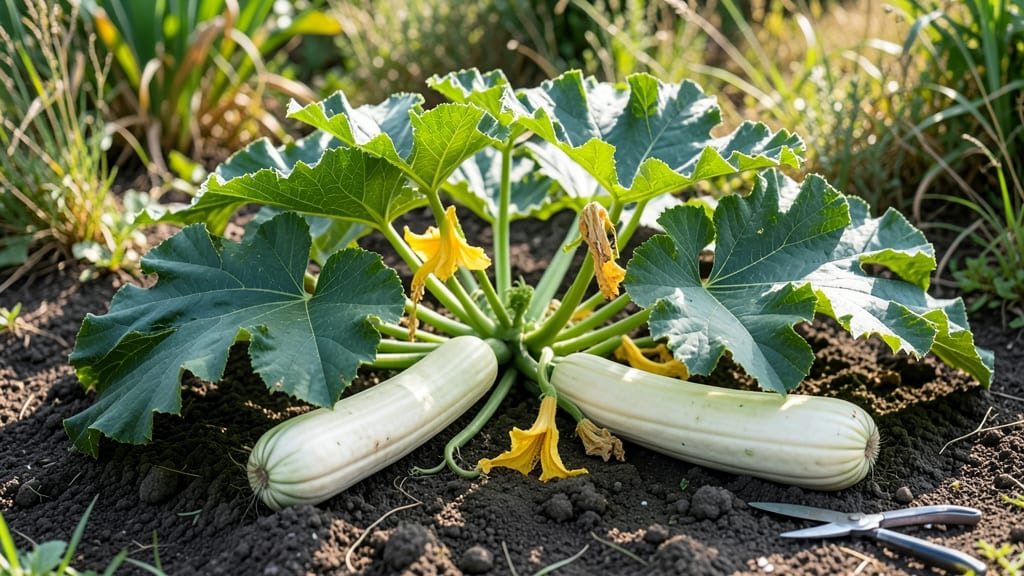
Growing white spaghetti squash 🍠 means harvesting strands of tender, sweet flesh that cook like pasta—no peeling or scrubbing required.
Picture this: you’re about to roast a squash so delicate it falls apart at the touch, revealing strands that taste like buttery noodles. But here’s the catch—get the soil, sunlight, and timing wrong, and you’ll end up with tough, stringy disappointment instead of garden-fresh magic.
This guide covers everything from planting in April (after your last frost) to harvesting in September, including soil tricks, watering schedules, and how to outsmart pests like squash bugs before they ruin your crop.
By the end, you’ll know the exact signs your squash is ready—no guesswork—and how to turn your garden into a year-round source of restaurant-quality spaghetti squash.
How to grow white spaghetti squash: planting and soil requirements
White spaghetti squash thrives when given the right starting conditions. Unlike its orange cousin, this variety produces snow-white, string-like flesh that’s naturally sweet and requires minimal prep before eating.
To grow these delicate squashes successfully, focus on three key factors: soil quality, planting timing, and sunlight exposure. I’ve learned from years of trial-and-error that skipping any of these can lead to poor yields or bland flavor.
Begin by selecting a well-draining soil mix with a pH between 6.0 and 7.0. White spaghetti squash prefers loose, fertile soil that prevents rot while providing nutrients. Amend heavy clay or sandy soil with compost or aged manure to improve structure and fertility.
I always test my garden soil in early spring—if the pH is off, a simple application of lime (to raise pH) or sulfur (to lower pH) can make a world of difference.
White Spaghetti Squash Growing Essentials
| Requirement | Specification |
|---|---|
| Soil Type | Loamy, well-draining |
| pH Level | 6.0 - 7.0 |
| Sunlight | 6-8 hours daily |
| Planting Depth | 1 inch |
| Spacing | 3-4 feet apart |
| Fertilizer | 5-10-10 balanced |
| Mature Height | 2-3 feet |
| Days to Harvest | 80-100 days |
Timing your planting window is critical for white spaghetti squash. These plants are sensitive to frost and need a long, warm growing season to mature. In most USDA zones 4-9, wait until after the last frost date—typically mid-April to early May—and plant seeds directly in the ground.
If your growing season is short, consider starting seeds indoors 4-6 weeks before transplanting to give them a head start.
When planting, place seeds 1 inch deep and 3-4 feet apart in rows spaced 4-5 feet apart. This spacing prevents overcrowding, which can lead to disease spread and poor fruit development.
I’ve found that using a raised bed with 12 inches of soil depth works wonders for drainage and warmth, especially in cooler climates. Just ensure the bed has drainage holes to avoid waterlogged roots.
Sunlight is non-negotiable for white spaghetti squash. These plants demand full sun exposure (6-8 hours daily) to produce sweet, flavorful fruits. If your garden lacks direct sunlight, supplement with reflective surfaces or grow lights during cloudy periods. I once grew squash under partial shade, and while they survived, the flesh was watery and bland—a lesson I won’t repeat!
Monitor your soil’s moisture levels closely, as white spaghetti squash needs consistent but not soggy conditions. Water deeply every 3-5 days, aiming for 1-2 inches of water per week. Use a soaker hose or drip irrigation to deliver water directly to the roots, reducing evaporation and fungal risks.
Avoid overhead watering, especially in the evening, as damp foliage invites powdery mildew and bacterial spots.
If you notice yellowing leaves or stunted growth, your soil may lack nutrients. Apply a balanced fertilizer (5-10-10) every 4-6 weeks during the growing season, starting when plants are 6 inches tall.
I swear by a side-dressing of compost mid-season to boost sweetness and yield. Just avoid over-fertilizing, as excess nitrogen can lead to leafy growth at the expense of fruit.
Troubleshooting soil issues early can save your harvest. For example, if your squash develops bumpy or deformed fruits, it’s often a sign of poor calcium absorption. Add crushed eggshells or lime to the soil to remedy this.
Similarly, wilting vines in hot weather may indicate root stress—mulch heavily with straw to retain moisture and cool the soil.
With the right soil prep, planting timing, and sunlight exposure, your white spaghetti squash will reward you with abundant, sweet harvests that taste like summer in every bite.
Start small—even 3-4 plants can provide enough squash for a family of four—and expand as you gain confidence. Happy growing! 🌱
White spaghetti squash varieties and when to harvest for best flavor
If you're growing white spaghetti squash, choosing the right variety makes all the difference in flavor and texture. The most popular options—like 'White Bouquet' and 'Golden Delight'—each offer unique traits that cater to different gardening goals.
For example, 'White Bouquet' matures faster, while 'Golden Delight' boasts sweeter flesh when fully ripened. Understanding these differences helps you pick the best fit for your garden and harvest schedule.
Harvesting at the perfect time ensures your squash is both sweet and string-free. Unlike other squash varieties, white spaghetti squash reaches peak flavor when its rind turns a dull yellow and the stem dries out completely. Ignoring these cues can result in tough, fibrous flesh or overly watery strands.
The key is to watch for visual and tactile signals—like a hard rind and a brown, papery stem—rather than relying solely on days to maturity.
| Variety | Days to Maturity | Harvest Cues | Best For | Flavor Profile |
|---|---|---|---|---|
| 'White Bouquet' | 80-85 days | Hard rind, dry stem | Quick harvests, small gardens | Mild, slightly nutty |
| 'Golden Delight' | 90-95 days | Fully yellow rind, brown stem | Sweetest flavor, large yields | Sweet, rich, creamy |
| 'Cocozelle' | 85-90 days | Firm skin, dried vine tips | Long storage, versatile | Balanced, slightly sweet |
For 'White Bouquet', I recommend harvesting when the rind turns a pale yellow and the stem feels dry to the touch. This variety is perfect if you're short on space or want to enjoy multiple harvests throughout the season.
On the other hand, 'Golden Delight' needs a little more patience—wait until the rind is fully yellow and the stem is completely brown and crispy. This extra time pays off with a sweeter, more flavorful squash that’s ideal for roasting or baking.
Timing your harvest correctly also depends on your USDA hardiness zone. In zones 4-6, aim to harvest by late September to avoid early frosts, which can ruin the squash's texture. In warmer zones (7-10), you can extend harvesting into early October.
Always check the vine health—if the vines start dying back, it’s a clear sign your squash is ready to be picked.
One mistake I see often is harvesting too early, which leads to underdeveloped strands that are tough and less flavorful. To test readiness, gently press the squash—if it feels firm and doesn’t dent easily, it’s time to harvest.
Store your squash in a cool, dry place (like a garage or basement) for up to 3 months, but plan to use it sooner for the best texture and taste.
Experimenting with different varieties can turn your garden into a year-round source of delicious, stringy squash. Start with 'White Bouquet' for quick rewards, then try 'Golden Delight' for a richer flavor experience.
Just remember: patience and attention to detail during harvest will give you the sweetest, most satisfying results every time. 🌱