
Vegetables
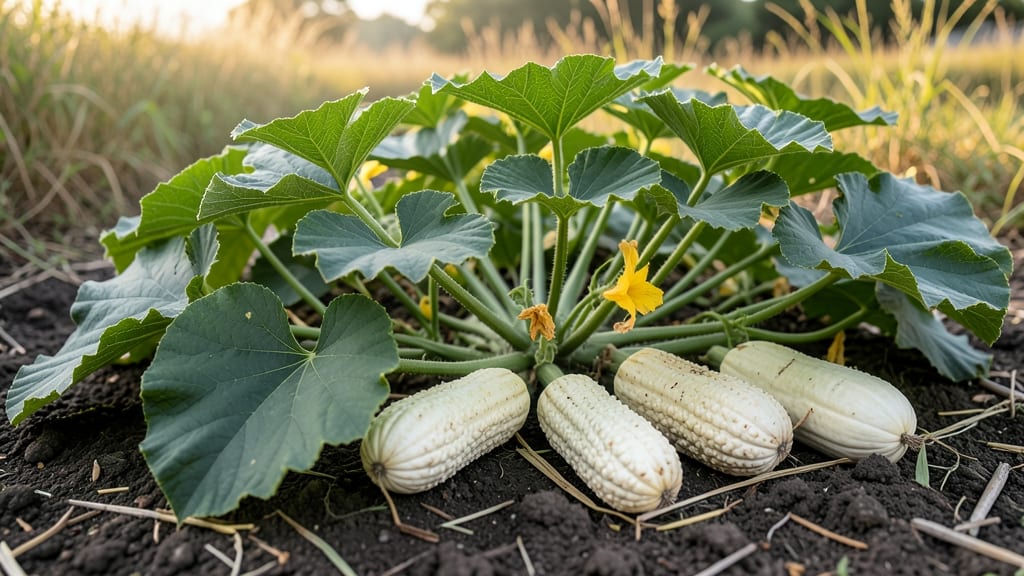
Growing white bumpy squash like Lunace or Bumpy White feels like unlocking a secret garden gem—these cold-hardy beauties thrive where other squash fail. 🌱 Their bumpy texture and pale skin make them stand out, but their real magic is growing in partial shade and cooler climates where most summer squash would wilt.
The key starts with soil: rich, well-draining loam mixed with compost ensures those bumpy skins develop properly. Plant seeds ½ inch deep after the last frost when soil reaches 60°F, spacing them 2-3 feet apart—crowding leads to powdery mildew, their biggest enemy.
Water consistently at the base (never overhead) to keep foliage dry. By mid-summer, you'll harvest 6-8 inch fruits with that signature bumpy texture, perfect for roasting or spiralizing. The flavor? Sweet, nutty, and packed with summer sunshine—even in less-than-ideal spots.
These squash keep producing until frost, giving you a long, reliable harvest. If you live in Zone 3-5 or have shady patches, this is your go-to squash. The secret to success? Space them well and watch for early signs of mildew—prune lower leaves for airflow.
Trust me, your garden will thank you.
Root Causes Of Surface Bumps
When your squash develops an unsightly white, bumpy texture, it’s usually a sign that something’s off in its growing environment—or worse, a hidden pest or disease is at play. Understanding the why behind these bumps is the first step to fixing the problem and ensuring a smooth, edible harvest.
Below, we break down the most common culprits, backed by science and actionable fixes.
Squash plants are sensitive to extreme conditions, and when temperatures swing wildly—or humidity spikes without proper airflow—your vines may react by producing rough, bumpy skin. This is often a physical stress response, where the plant prioritizes survival over smooth growth.
- Too much heat: Temperatures above 90°F (32°C) can cause sunscald, where the skin develops white, leathery bumps as a protective layer. This is common in varieties like white squash when grown in hot, dry climates.
- High humidity without airflow: Stagnant air traps moisture, encouraging fungal pressure. The plant may form gummy stem blight lesions, which appear as white, raised bumps filled with oozy sap.
- Poor soil drainage: Waterlogged roots force the plant to overcompensate by thickening its skin, leading to a bumpy, uneven surface.
💡 Pro Tip: If your squash is in a hot, humid zone, use shade cloth (30-50%) during peak afternoon heat and mulch with straw to regulate soil temperature. Ensure 6+ inches of well-draining soil and space plants 3-4 feet apart for airflow.
Not all bumps are environmental—some are physical damage from pests that burrow into the skin or lay eggs. These intruders trigger the plant’s defense mechanisms, causing raised, white, or discolored patches.
| Pest | How It Causes Bumps | What It Looks Like |
|---|---|---|
| Squash Bugs (Anasa tristis) | Adults pierce the skin to feed, injecting toxins that create white, scab-like bumps. Nymphs cluster and excrete honeydew, fostering sooty mold. | White, crusty patches; black mold on leaves. |
| Cucumber Beetles (Diabrotica spp.) | Larvae chew into the flesh, causing raised, puckered scars that harden into white bumps. Adults transmit bacterial wilt. | Irregular, jagged bumps; wilting vines. |
| Squash Vine Borers (Melittia moth larvae) | Larvae tunnel inside stems and fruits, causing blister-like white swellings where they exit. Infested squash often rots from the inside. | Large, soft bumps with sawdust-like frass. |
🔥 Action Step: Inspect the undersides of leaves and fruit stems for eggs or frass (insect droppings). Use neem oil or kaolin clay as a barrier, and handpick pests in the early morning. Row covers can prevent beetles before they lay eggs.
Fungi thrive in damp conditions, and when they infect squash, they often manifest as white, powdery, or raised growths. These aren’t just cosmetic—they can spread and ruin your entire crop if left unchecked.
- Powdery Mildew (Podosphaera xanthii):
This fungal disease creates white, talcum-like bumps on the surface, blocking sunlight and stunting growth. It loves high humidity + poor airflow.
- Downy Mildew (Pseudoperonospora cubensis):
Less common but more aggressive, it forms white, fuzzy patches on the undersides of leaves and can spread to fruit as yellow, raised lesions.
- Anthracnose (Colletotrichum orbiculare):
This fungus causes sunken, white-to-tan bumps that ooze pinkish spores when wet. It’s worse in warm, wet conditions.
🌡️ Prevention Tip: Space plants for air circulation and avoid overhead watering. Apply copper fungicide or baking soda spray (1 tsp baking soda + 1 quart water + a drop of soap) every 7-10 days during humid periods. Remove and destroy infected fruit immediately.
Not all bumps are bad! Some cold-resistant squash varieties—especially heirloom or winter squash types—develop natural textured skin as they mature. For example:
- White Butternut Squash: Often has a ridged, bumpy rind as it thickens.
- Hubbard Squash: Develops deep, warty grooves that are harmless and even prized for storage.
- Delicata Squash: Has longitudinal ridges that are part of its genetic makeup.
🔍 How to Tell the Difference: If the bumps are hard, dry, and part of the fruit’s natural shape, it’s likely genetic. If they’re soft, oozy, or spreading, it’s a disease or pest issue.
Fixing white bumpy squash issues
Got those unsightly white bumps on your squash? Don’t worry—most issues are fixable with a few simple steps! Whether it’s fungal infections, pest damage, or environmental stress, here’s how to diagnose and treat the problem while keeping your plants healthy and productive.
If your squash leaves are covered in white, powdery spots or fuzzy patches, you’re likely dealing with powdery mildew or downy mildew—common fungal foes in humid or shaded conditions.
How to Fix It: ✅ Prune & Improve Airflow 🌬️ Remove heavily infected leaves (wear gloves!) and thin out crowded vines to let sunlight and air circulate. Fungi thrive in damp, shaded spots, so better airflow is your first defense.
✅ Apply Fungicidal Sprays 💧
- Neem oil spray (1 tsp neem oil + 1 tsp mild soap + 1 quart water) – spray on both leaf surfaces every 7–10 days.
- Baking soda solution (1 tbsp baking soda + 1 tsp oil + 1 gallon water) – spray early in the morning to avoid leaf burn.
- Commercial fungicides (like copper-based sprays) for severe cases.
✅ Prevent Future Outbreaks 🛡️
- Water at the base (avoid overhead watering).
- Space plants 3–4 feet apart for better airflow.
- Rotate crops—don’t plant squash in the same spot yearly.
White bumps could also be egg masses from squash bugs or honeydew residue from aphids. These pests weaken plants and spread disease.
How to Fix It: 🔍 Scout for Pests 👀 Check the undersides of leaves for:
- White, oval eggs (squash bugs)
- Yellowish beetles (cucumber beetles)
- Sticky residue (aphid honeydew)
🛠️ Manual Removal & Traps
- Handpick eggs/beetles and drop them in soapy water.
- Use yellow sticky traps to catch flying adults.
- Crush egg masses with your fingers (wear gloves!).
🌿 Natural Repellents
- Spray with soapy water (1 tsp dish soap + 1 quart water) to deter soft-bodied pests.
- Plant companion crops like nasturtiums or marigolds to repel beetles.
- Apply diatomaceous earth (food-grade) around the base to deter crawling pests.
If your squash is growing in too much shade, extreme heat, or fluctuating temps, it can develop strange bumps as a stress response.
How to Fix It: ☀️ Optimize Growing Conditions
- Move to sunnier spot (6+ hours of sunlight daily).
- Use row covers if frost is a concern (white bumpy squash is cold-hardy but still needs protection).
- Mulch with straw to regulate soil temperature.
💧 Adjust Watering
- Water deeply but infrequently (1–2 inches per week) to avoid fungal growth.
- Avoid soggy soil—ensure good drainage.
Sometimes, white bumps can signal calcium deficiency (blossom end rot-like symptoms) or magnesium issues.
How to Fix It: 📊 Soil Test & Amendments
- Add crushed eggshells or lime for calcium.
- Use Epsom salt spray (1 tbsp per gallon of water) for magnesium.
- Apply compost or balanced fertilizer (10-10-10) to improve soil health.
- Rotate crops every 2–3 years to prevent soil-borne diseases.
- Harvest promptly—overripe squash is more prone to issues.
- Monitor regularly—catch problems early before they spread!
With these fixes, your white bumpy squash should bounce back to healthy, smooth, and delicious produce in no time! 🎉
Frequently asked questions
Is white bumpy squash the same as butternut squash?
Not exactly! While both are winter squash varieties, white bumpy squash (like Lunace) has a distinctive bumpy, white skin and grows in cooler climates. Butternut squash has smooth, tan skin and a long neck shape. Their flavors differ too—white bumpy squash tends to be nuttier and less sweet than butternut.
Can I grow white bumpy squash in containers?
Yes, but choose large containers (at least 15-gallon) with drainage holes. These squash need space for vines to spread—place containers in full sun and use trellises if needed. Just ensure the pot is stable, as mature squash can weigh 5-10 pounds each!
How do I know when white bumpy squash is ripe?
Look for these signs: the skin should be fully white and firm to the touch, with a slightly dull sheen. The stem should start drying out, and the squash will feel heavy for its size. Tap it—ripe squash makes a hollow sound when knocked. Harvest before the first frost for best flavor!
Why does my white bumpy squash have weird bumps?
Those bumps could be natural (genetic texture) or a sign of stress! Check for powdery mildew (white powdery coating) or pest damage (soft, oozy bumps). Improve airflow, avoid overhead watering, and use neem oil if needed. If bumps are hard and dry, they're likely just part of the variety's unique look!
How long does white bumpy squash store?
With proper curing (drying in 80°F for 10 days), these squash store beautifully! Keep them in a cool (50-55°F), dry place with good airflow. They'll last 2-3 months—longer than many summer squash varieties. Check occasionally for soft spots!