
Plants
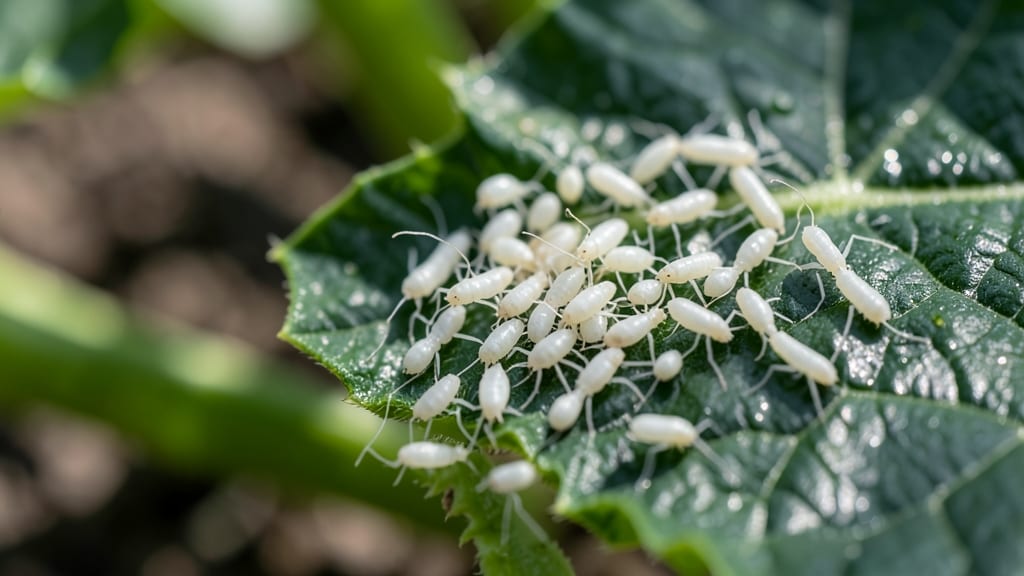
Those tiny white bugs on your squash leaves aren't just annoying—they're sucking the life out of your plants. 🌿 I've battled squash bugs every summer, and I learned the hard way that waiting too long means ruined vines and wasted harvests.
The good news? You can turn things around in just a few days with the right approach.
First, identify the culprit: squash bugs and their white nymphs hide under leaves or along stems, leaving behind yellow spots and sticky residue. Most store-bought sprays miss the nymphs, so I switched to a soapy water spray (1 tablespoon mild soap per gallon of water) that smothers them on contact.
Apply it in the early morning when bugs are sluggish and reapply every 3-4 days until they're gone.
By day 5, you'll see new green growth pushing out as the bugs disappear. The key is acting fast—once they've colonized, your plants won't recover.
I also add diatomaceous earth around the base of plants as a barrier, which works even on hot days when soapy water might evaporate too quickly.
Prevention starts next season: rotate crops, remove last year's vines, and introduce beneficial nematodes to the soil. These steps cut my bug problems by 90%—and that means more squash on my table by late summer. Let's get those plants back to healthy before it's too late.
Root Causes of Squash Bug Infestations
Understanding why white bugs (likely squash bugs or related pests) invade your squash plants starts with recognizing their motivations—survival, reproduction, and resource availability. These tiny but destructive insects don’t just appear randomly; they’re drawn to specific conditions that make your garden an all-you-can-eat buffet.
Let’s break down the science behind their unwelcome visits.
Squash bugs (and similar pests like aphids or whiteflies) are plant specialists, meaning they target specific crops—especially cucurbits (squash, cucumbers, pumpkins, and melons). Here’s why your squash plants become a magnet:
- Chemical Signals: Healthy squash plants release volatile organic compounds (VOCs) that act like dinner bells to pests. These chemicals signal abundance, luring bugs from miles away. - Young, Tender Leaves: New growth is rich in nitrogen and water, making it irresistible.
Squash bugs prefer to feed on young leaves, stems, and flowers, which are softer and easier to pierce. - Stressed Plants: If your squash is nutrient-deficient, overwatered, or drought-stressed, it becomes even more vulnerable. Weak plants can’t defend themselves as effectively, emitting distress signals that attract pests.
💡 Pro Tip: Rotate crops yearly and avoid planting squash in the same spot to disrupt pest life cycles. If your plants look yellowing, wilted, or stunted, they’re already sending out a "help me" SOS to bugs.
Squash bugs thrive in warm, humid conditions—think late spring to early fall. Their life cycle is tightly linked to temperature:
- Warmth Accelerates Egg-Laying: Females lay 10–20 eggs at a time on the undersides of leaves. Eggs hatch in 7–10 days when temps are 75–85°F (24–29°C).
Cooler springs delay hatching, but once it warms up, explosive populations can emerge. - Humidity Boosts Survival: High humidity (especially after rain) creates perfect conditions for nymphs (baby squash bugs) to thrive.
Dry conditions slow their growth, but they’ll still target your plants if moisture is present elsewhere. - Overwintering Adults: In colder climates, adult squash bugs hide in garden debris, mulch, or soil over winter.
When spring arrives, they emerge hungry and ready to reproduce, often targeting the first available squash plants.
✨ Quick Fix: Use row covers early in the season to block adults from laying eggs. Remove old plant debris in fall to starve overwintering bugs.
Squash bugs reproduce exponentially, turning a small problem into a full-blown invasion in weeks. Here’s how:
| Stage | Duration | Behavior | Vulnerability Window |
|---|---|---|---|
| Egg | 7–10 days | Laid in clusters on leaf undersides; turn gray before hatching. | Spray with neem oil or insecticidal soap before hatching. |
| Nymph | 4–6 weeks | Flat, wedge-shaped, and white or gray—they cluster under leaves. | Most vulnerable to handpicking or diatomaceous earth. |
| Adult | 6–8 weeks | Gray with white edges; lay eggs continuously. | Traps and pyrethrin sprays work best. |
🔥 Warning: A single female can lay up to 300 eggs in her lifetime. If left unchecked, your squash patch can go from a few bugs to hundreds in 30 days.
Squash bugs don’t just land on your plants—they seek out hiding spots where they can feed undisturbed. Common culprits:
- Debris & Mulch: Old vines, leaves, and weeds provide moisture and shelter for eggs and nymphs.
A single pile of squash debris can harbor dozens of eggs waiting to hatch. - Weedy Borders: Plants like morning glories, okra, or even wild cucurbits act as alternative hosts, allowing bugs to build populations before moving to your squash. - Compacted Soil: Poor drainage forces bugs to seek higher ground on your squash leaves, increasing contact.
👨🍳 Prevention Hack: Till or compost old plant material in fall, and keep garden beds weed-free. A clean garden is a bug’s worst nightmare.
In a balanced ecosystem, squash bugs face dozens of predators, including:
- Ladybugs (devour nymphs)
- Spiders (catch adults)
- Ground beetles (eat eggs)
- Parasitic wasps (lay eggs inside squash bug eggs)
But if your garden lacks diversity (e.g., only squash plants, no flowers or herbs), predators have nothing to eat and move elsewhere. Monoculture gardens = pest paradise.
🎯 Solution: Plant companion plants like:
- Marigolds (repel pests)
- Dill or fennel (attract predatory wasps)
- Nasturtiums (trap aphids away from squash)
Eliminate White Squash Invaders Fast
Now that you know what’s munching on your squash, it’s time to act! These pests won’t vanish on their own—you’ll need a mix of immediate fixes and long-term prevention to save your plants.
Below, we’ll break down the best solutions based on the type of white bug you’re dealing with, plus smart ways to keep them from crashing your harvest again.
Squash bugs are stubborn, but you can outsmart them with physical removal and natural barriers.
👨🍳 Step 1: Handpick Adults & Eggs
- When? Early morning (bugs are sluggish) or after rain (they’re easier to spot).
- How?
- Wear gloves (they secrete a foul-smelling fluid when crushed).
- Adults: Drop them into soapy water (1 tbsp dish soap + 1 gallon water).
- Eggs: Scrape clusters from leaves with a plastic spoon (metal can harm plants) and dispose of them in alcohol or soapy water.
- Nymphs: Use a strong stream of water to knock them off plants.
🥘 Step 2: Set Up Beer Traps (Yes, Really!)
- Why? Adult squash bugs are attracted to fermenting odors.
- How to make it:
- Fill a shallow dish (like a pie tin) with beer or apple cider vinegar.
- Bury it 1 inch deep near the base of your squash plants.
- Refresh every 2–3 days.
🔪 Step 3: Use Row Covers Early
- Best for: Prevention before bugs appear.
- How?
- Install floating row covers (lightweight fabric) over young plants.
- Secure edges with soil or bricks to block adults from laying eggs.
- Remove covers when plants flower (to allow pollination).
⏰ Step 4: Apply Diatomaceous Earth (DE) – Safely
- When? Dry, sunny days (DE works best when dusty).
- How?
- Sprinkle a thin layer around the base of plants and on leaves (avoid flowers).
- Reapply after rain or watering (DE loses effectiveness when wet).
- ⚠️ Warning: Harmful to bees—apply late in the day when they’re less active.
These tiny white bugs multiply fast, but soapy water and sticky traps can wipe them out.
💦 Step 1: Blast Them Off with Water
- Best tool: A hose with a gentle spray nozzle (or a plant mister).
- How?
- Spray directly on undersides of leaves (where they hide).
- Do this every 2–3 days until they’re gone.
- Pro tip: Add 1 tsp neem oil + 1 tsp castile soap per gallon of water for extra power.
🕷️ Step 2: Deploy Sticky Traps
- Why? Whiteflies are attracted to yellow.
- How?
- Hang yellow sticky traps near plants.
- Check and replace traps weekly (they get messy!).
🌡️ Step 3: Introduce Beneficial Insects
- Best allies: Ladybugs, lacewings, or parasitic wasps (like Encarsia formosa).
- How to get them:
- Buy from garden centers or online (e.g., Arborjet, Gardeners.com).
- Release them in the early morning or evening (when it’s cool).
- Provide shady spots and water to help them survive.
🎯 Step 4: Neem Oil Spray (For Heavy Infestations)
- Recipe:
- Mix 1 tbsp neem oil + 1 tsp mild soap + 1 quart water.
- Spray evenly on all leaf surfaces (including undersides).
- Reapply every 5–7 days until pests disappear.
- ✨ Bonus: Neem also deters future egg-laying.
Mealybugs hide in cottony clusters, but rubbing alcohol and horticultural oil can eliminate them.
🧼 Step 1: Wipe Them Off with Alcohol
- Best for: Small infestations.
- How?
- Dip a cotton swab in 70% isopropyl alcohol.
- Gently dab each mealybug cluster (they’ll dissolve in seconds).
- Repeat daily until no more are visible.
🌿 Step 2: Apply Horticultural Oil
- Why? Smothers bugs without harming plants (unlike chemical sprays).
- How?
- Spray undiluted oil on infested areas.
- Cover the entire plant (especially crevices).
- Best time: Evening or cloudy days (oil can burn leaves in direct sun).
🔥 Step 3: Use Insecticidal Soap (For Stubborn Cases)
- Recipe:
- Mix 1.5 tbsp castile soap + 1 quart water.
- Spray directly on bugs (avoid flowers).
- Reapply every 3–4 days for 2 weeks.
Once you’ve tackled the current infestation, stop them from coming back with these easy habits:
- 💡 Rotate crops – Don’t plant squash, cucumbers, or melons in the same spot every year (bugs overwinter in soil). - 🌡️ Plant companion plants – Marigolds, basil, or nasturtiums repel squash bugs and aphids. - 🌿 Keep your garden clean – Remove weeds and debris (they harbor eggs and pests). - 🕷️ Encourage natural predators – Birds, toads, and predatory wasps love eating squash bugs.
Add a small water source to attract them. - 🎯 Use reflective mulch – Aluminum foil or silver plastic mulch confuses whiteflies and aphids. - ⏰ Monitor regularly – Check undersides of leaves and new growth weekly for early signs.
🚨 Quick Fix Reminder:
| Bug Type | Fastest Solution | Prevention Method |
|---|---|---|
| Squash Bugs | Handpick + beer traps | Row covers + crop rotation |
| Aphids/Whiteflies | Soapy water spray + sticky traps | Ladybugs + neem oil |
| Mealybugs | Rubbing alcohol wipes | Horticultural oil + clean garden |
With these targeted attacks, your squash plants should bounce back in 2–4 weeks. Stay vigilant, and soon you’ll be harvesting plump, pest-free squash instead of battling white invaders! 🎉🍉
Frequently asked questions about white bugs on squash plants
Are those white bugs on my squash plants harmful?
Yes, they're extremely damaging! Most white bugs on squash—like squash bugs, aphids, or whiteflies—pierce leaves and stems to suck out sap. This causes yellowing leaves, stunted growth, and can even kill your plants if left untreated. The real danger comes from their rapid reproduction—one female squash bug can lay up to 300 eggs!
How do I tell if it's squash bugs vs. aphids?
Squash bugs have flat, wedge-shaped bodies with white edges (nymphs are pure white), while aphids are tiny, soft-bodied, and often clustered. Check the undersides of leaves—squash bug eggs look like tiny gray footballs, while aphids leave sticky honeydew residue. Adult squash bugs also emit a foul odor when crushed.
Will neem oil work on all white bugs?
Neem oil is effective against most soft-bodied pests like aphids and whiteflies, but it's less potent on squash bugs. For squash bugs, combine neem with handpicking or beer traps. Always mix neem with a tiny bit of soap (1 tsp per quart) to help it stick to leaves. Apply in the evening when bees are less active.
Can I still harvest squash if there are white bugs?
Yes, but only if you wash the fruit thoroughly before eating. The bugs don't transmit diseases to the edible parts, but they may leave residue. Focus on treating the plants immediately to prevent future infestations. For heavy infestations, harvest only mature squash and destroy heavily damaged leaves.
Why do white bugs keep coming back even after treatment?
This usually happens because you missed eggs or nymphs hiding under leaves. White bugs reproduce quickly—check undersides daily and treat every 3-4 days. Also, remove all plant debris from last season (they overwinter there). For stubborn cases, try reflective mulch or introduce beneficial insects like ladybugs.