
Vegetables
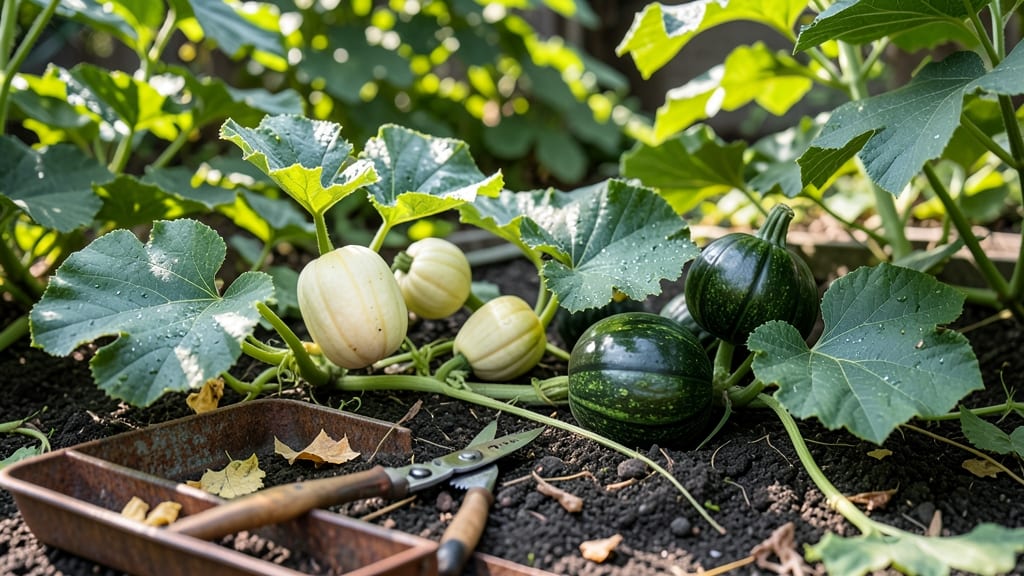
Growing white acorn squash instead of green changes everything about your harvest. 🌱 The two look nearly identical in the garden, but their flavor, storage life, and even how they grow make them completely different crops—one might be the perfect fit for your space and cooking style, while the other falls short.
White acorn squash matures faster and produces slightly smaller fruits, but its sweet, nutty flavor packs more punch than the milder green variety.
They thrive in the same conditions—full sun and well-draining soil—but white squash handles cooler nights better, which is a game-changer in my Zone 6 garden where early frosts sneak in.
If you love roasting squash with caramelized edges, white acorn delivers a deeper, almost chestnut-like taste that pairs perfectly with sage and brown butter. The green variety, meanwhile, stays crunchier when cooked and stores for weeks longer, making it the winner for meal prep.
Space is tight? White squash’s compact vines make it ideal for small gardens, while green squash’s slightly larger fruits mean more storage real estate. For flavor, pick white; for storage, go green. Either way, you’ll end up with a harvest worth bragging about.
The first product explained
Meet the white acorn squash—a star of the fall harvest that’s as versatile as it is delicious! 🍂😋 Known for its sweet, nutty flavor and compact size, this squash is a favorite among home gardeners and chefs alike.
Whether you're roasting, pureeing, or stuffing it, white acorn squash delivers a rich, caramel-like taste that’s hard to resist.
📏 Specs & Features
White acorn squash typically weighs between 1.5 to 3 pounds and measures about 4 to 6 inches in diameter, making it perfect for individual servings or small gatherings. Its skin is a pale, creamy white with slight ribbing, and the flesh inside is a vibrant pale yellow-orange.
Unlike its green cousin, white acorn squash has a softer texture when cooked, almost custard-like, which makes it ideal for soups, mashed dishes, and even desserts!
👩🌾 Target Users
- Home gardeners: Loves its compact size and ease of growing—great for small spaces or container gardening.
- Chefs and foodies: Adores its sweet, buttery flavor, perfect for gourmet dishes like risottos or glazed squash.
- Health-conscious eaters: Packed with fiber, vitamin A, and antioxidants, it’s a nutritious powerhouse.
- Beginners: Simple to grow and store, making it a great first squash for new gardeners.
💰 Price Point
White acorn squash is affordable and widely available, especially during peak harvest seasons (fall). Prices typically range from $2 to $4 per squash at farmers' markets or grocery stores. If you're growing your own, you’ll save even more—just one plant can yield 3-5 squash!
🌱 Why It Stands Out
Unlike green acorn squash, which can be slightly firmer and more savory, white acorn squash shines with its milder sweetness and velvety texture. It’s also easier to carve (thanks to its smaller size) and stores beautifully for up to 3 months in a cool, dark place.
Plus, its versatility in recipes makes it a pantry staple for any season!
The second product explained
Meet the green acorn squash—the vibrant, slightly sweeter cousin of the white variety that’s stealing hearts (and dinner plates) with its stunning emerald hue and bold flavor! 🌿🍂 Whether you're a seasoned gardener or a culinary enthusiast, this squash brings a unique twist to your harvest and recipes.
🌱 Key Specs & Features
The green acorn squash is packed with standout traits that make it a garden favorite:
- Appearance: Glossy, deep green skin with a classic acorn shape (about 6–8 inches long) and a slightly ribbed texture. Inside, you’ll find bright orange flesh—just like its white counterpart, but with a more pronounced sweetness.
- Size & Yield: Typically weighs 1.5–3 pounds per squash. A healthy plant can produce 3–5 squash per season, depending on growing conditions.
- Flavor Profile: Sweeter and nutty than white acorn squash, with a richer caramel-like depth when roasted or baked. Perfect for both savory and sweet dishes!
- Growing Season: Ready for harvest in 85–100 days, thriving in cool to moderate climates (USDA Zones 3–10).
- Storage: Stores for 2–3 months in a cool, dark place (like a root cellar). Cut squash keeps for 5–7 days in the fridge.
👩🌾 Who’s It For?
This squash is a versatile powerhouse, ideal for:
- Home Gardeners: Loves full sun (6–8 hours/day) and well-draining soil. Great for container gardening if space is limited!
- Chefs & Foodies: Its sweet, dense texture makes it a star in soups, risottos, stuffed squash recipes, and even desserts (yes, you can roast it with maple syrup! 🍁).
- Health-Conscious Eaters: Lower in calories than white squash but higher in vitamin A and fiber—a win for immunity and digestion!
- Beginners: Easy to grow with few pests, though it may attract squash bugs. Row covers can help!
💰 Price Point & Value
Green acorn squash is affordable and rewarding:
- Seed Cost: $2–$5 per packet (organic or heirloom varieties may cost more).
- Yield ROI: One packet can yield dozens of squash, saving you $10–$20+ on grocery store prices per season!
- Market Price: If selling, expect $3–$6 per squash at farmers' markets, depending on size and demand.
💡 Pro Tip: For extra-sweet squash, try growing in cooler weather (like early fall) or pair with companion plants like nasturtiums to deter pests!
Head-to-head comparison
🌱 Growth & Yield Performance
When it comes to size and yield, white and green acorn squash have distinct characteristics that can influence your harvest. Here’s how they stack up:
- White Acorn Squash:
- 📏 Size: Typically smaller, ranging from 8–12 inches in diameter and weighing 2–4 pounds when mature.
- 🌿 Yield: Produces fewer squash per vine (usually 2–4 per plant) but excels in flavor concentration. Ideal for small gardens or those who prefer a manageable harvest.
- 🕒 Maturity: Ready to harvest in 85–100 days, making it a mid-season variety.
- Green Acorn Squash:
- 📏 Size: Slightly larger, often 10–14 inches in diameter and weighing 3–5 pounds. Their oblong shape makes them great for stuffing or roasting.
- 🌿 Yield: More prolific, with 4–6 squash per plant. Perfect for families or those looking to preserve squash for later use.
- 🕒 Maturity: Takes a bit longer to mature (90–110 days) but rewards patience with a higher volume of produce.
Winner? If you’re growing for quantity, green acorn squash takes the crown. But if you prioritize intense flavor and compact harvests, white acorn squash is the star. 🌟
🍽️ Flavor & Culinary Uses
Flavor is where these two varieties truly shine—and where they differ the most! Here’s how they compare in the kitchen:
| Category | White Acorn Squash | Green Acorn Squash |
|---|---|---|
| Sweetness | ⭐⭐⭐⭐⭐ Very sweet—almost caramel-like when cooked. The flesh becomes buttery and rich. | ⭐⭐⭐⭐ Sweet but slightly nuttier. Less intense than white but still delicious. |
| Texture | 🍯 Creamy and dense, almost like a cross between sweet potato and pumpkin. | 🥜 Slightly firmer with a grainier texture, similar to a butternut squash. |
| Best Uses |
|
|
| Storage Life | ⏳ 3–4 months in a cool, dark place. Its thick skin keeps it fresh longer. | ⏳ 2–3 months. Thinner skin means it dries out faster if not stored properly. |
Pro Tip: 💡 For the best of both worlds, try roasting white acorn squash with a sprinkle of cinnamon and maple syrup, or sautéing green acorn squash with sage and garlic. Both are chef’s kiss! ✨
💰 Cost & Accessibility
If you’re deciding between growing your own or buying from the store, here’s the breakdown:
- White Acorn Squash:
- 🛒 Store Price: Often $3–$5 per squash (less common than green varieties).
- 🌱 Growing Cost: Seeds cost $2–$4 per packet, but yields are lower, so it may take more plants to match green squash quantities.
- 🌍 Availability: Harder to find in grocery stores; more of a farmers’ market or specialty store item.
- Green Acorn Squash:
- 🛒 Store Price: More affordable at $2–$4 per squash (often sold in bulk).
- 🌱 Growing Cost: Seeds are $1–$3 per packet, and higher yields mean better value for gardeners.
- 🌍 Availability: Widely available year-round in most grocery stores.
Winner? Green acorn squash is the budget-friendly choice for both buying and growing. But if you’re willing to splurge for a unique flavor, white acorn squash is worth the investment! 💸
🌡️ Hardiness & Growing Conditions
Both varieties are low-maintenance, but they have slight preferences when it comes to climate and care:
| Factor | White Acorn Squash | Green Acorn Squash |
|---|---|---|
| Climate Tolerance | ❄️ Prefers warmer climates (USDA Zones 4–10). Can struggle in short growing seasons. | ❄️ More versatile—thrives in Zones 3–10, including cooler regions. |
| Sunlight Needs | ☀️ Full sun (6–8 hours/day). Needs consistent warmth to produce. | ☀️ Full sun to partial shade. Can tolerate slightly less sun if grown in cooler areas. |
| Soil Preferences | 🌱 Thrives in well-draining, slightly acidic soil (pH 6.0–6.8). Add compost for best results.
Which one should you choose?So, which squash should you grow—or cook with? The answer depends on your goals, whether you're a gardener, a chef, or just someone who loves a good harvest. Here’s your final verdict to help you decide: 🌱 Pick White Acorn Squash If...
🥒 Pick Green Acorn Squash If...
🏆 The Ultimate Winner?There isn’t one! Both squashes are winners in their own right. White acorn squash steals the show for flavor and adaptability, while green acorn squash takes the lead in size and heat tolerance. For the best of both worlds, grow them both—your garden (and your taste buds) will thank you! 🎉 💡 Pro Tip: If you’re new to growing squash, start with white acorn—it’s more forgiving and packed with flavor. Once you’re a pro, experiment with green for variety! |