
Plants
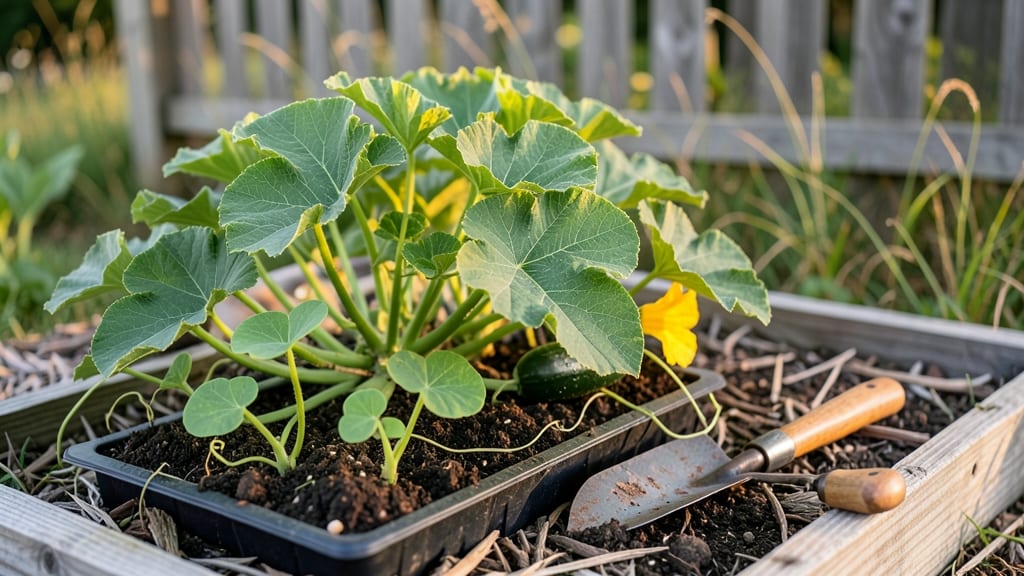
Planting squash in Virginia at the right time means the difference between a thriving garden and a sad, wilted vine 🌱—and the window is narrower than you might think.
Virginia’s warm summers and long growing season make it an ideal place for squash, but planting too early or late can mean the difference between a bountiful harvest and a failed crop. Timing is everything, and missing the frost-free window could leave your vines struggling against heat or pests.
Most Virginia gardeners should wait until mid-April to early May for coastal areas, while inland zones like Roanoke can start a week or two earlier once soil temperatures hit 60°F. The key is balancing frost risk with heat tolerance—squash hates soggy soil but wilts fast in peak summer heat.
In this guide, I’ll break down the exact frost-free timeline by region, whether to direct-sow seeds or use transplants, and how to stretch your harvest through succession planting—so you avoid the two biggest mistakes Virginia growers make.
Virginia’s frost-free timeline for planting squash: best months by region
Virginia’s diverse climate means last frost dates can vary by 10 days or more between regions. For summer squash like zucchini, aim to plant after soil reaches 60°F (15°C), while winter squash like butternut need 75-85 days of warm weather.
Coastal areas like Norfolk warm faster than inland Roanoke, so adjust timing accordingly.
In Richmond (Zone 7b), the average last frost date falls around April 15, but don’t rush—wait until May 1 for direct sowing. Roanoke (Zone 6b) gardeners should hold off until May 15 due to cooler nights, while Norfolk (Zone 8a) can start as early as April 1 thanks to milder coastal conditions.
Soil temperature is critical for germination. Use a soil thermometer to confirm 60°F+ before planting. Cold soil slows growth and invites fungal diseases like powdery mildew—Virginia’s humid summers make this a real risk if you plant too early.
Here’s how to align your planting with Virginia’s frost-free windows by region, including soil prep tips and variety recommendations:
| Region | Avg Last Frost | Optimal Planting Window | Soil Temp Requirement | Best Varieties | Heat Tolerance Tip |
|---|---|---|---|---|---|
| Richmond (Zone 7b) | April 15 | May 1–May 15 (direct sow) or April 20 (transplants) | 60°F+ (15°C+) | ‘Early Prolific Straightneck’ (summer), ‘Waltham Butternut’ (winter) | Use black plastic mulch to retain heat |
| Roanoke (Zone 6b) | May 1 | May 15–June 1 (direct sow) or April 25 (transplants) | 65°F+ (18°C+) | ‘Golden Zucchini’ (summer), ‘Delicata’ (winter) | Choose fast-maturing varieties (50–60 days) |
| Norfolk (Zone 8a) | March 15 | April 1–April 15 (direct sow) or March 20 (transplants) | 55°F+ (13°C+) | ‘Eight Ball’ (summer), ‘Sugar Pie’ (winter) | Watch for humidity stress—prune vines for airflow |
🌱 Pro Tip: Coastal areas (like Norfolk) can plant 2 weeks earlier than inland zones.
For summer squash, prioritize early planting to avoid peak July heat, which can cause blossom drop. Winter squash, however, benefits from late June starts to mature before first frost (Oct–Nov).
In Roanoke, where nights stay cool longer, consider row covers to extend the season by 2–3 weeks.
Transplants give you a 2-week head start over direct sowing. Buy hardened-off seedlings from local nurseries (like Virginia Cooperative Extension affiliates) and plant them 1–2 inches deeper than their containers to encourage root growth. This is especially useful in Roanoke’s cooler microclimates.
Watch for soil moisture—Virginia’s humid summers can lead to blossom end rot if plants experience inconsistent watering. Mulch with straw or shredded leaves to retain moisture and regulate soil temperature. Avoid wet mulch, which invites squash vine borers, a common pest in Richmond’s heat.
If you miss the primary planting window, don’t despair! Succession planting works well for summer squash—sow new seeds every 2 weeks until July 15 in Norfolk or August 1 in Roanoke. For winter squash, focus on late June starts to ensure harvest before frost.
Remember: Virginia’s frost-free timeline is a guideline, not a rule. Use a local weather app or Almanac frost calculator to fine-tune your schedule. With the right timing, you’ll enjoy homegrown squash from June through October—just in time for fall harvest festivals! 🎃
How to extend your squash growing season in Virginia: starter tips and success hacks
Virginia’s humid summers and long frost-free window create perfect conditions for squash—but only if you time things right. The key to a bountiful harvest lies in extending your growing season strategically.
By using transplants, row covers, and succession planting, you can push your squash vines to produce well beyond the typical summer peak.
Many gardeners mistakenly plant squash too close to Virginia’s peak summer heat, which can stress plants and reduce yields. Instead, focus on early starts and late-season extensions to maximize your garden’s potential. Let’s break down the best methods to keep your squash thriving from spring to fall.
- 1 Start with transplants in late April to early May—soil should be at least 60°F—to jumpstart growth and avoid early pests.
- 2 Use row covers in early spring or late fall to protect seedlings from frost and cool nights, extending the season by 3-4 weeks.
- 3 Choose fast-maturing varieties like ‘Early Prolific Straightneck’ (50-55 days) to harvest before late-summer heat takes its toll.
- 4 Succession plant every 2-3 weeks from May to July to ensure a continuous harvest through October.
- 5 Avoid planting in July—Virginia’s peak heat can cause blossom drop and poor fruit set, wasting your effort.
One of my favorite tricks is using black plastic mulch to warm the soil faster in spring. This method can shave off 10-14 days from your growing season, giving squash a head start before pests like squash vine borers become active.
Pair this with drip irrigation to keep roots consistently moist without overwatering.
For late-season extensions, focus on winter squash varieties like ‘Delicata’, which mature in 85-90 days and handle cooler temperatures better than summer squash. Plant these in early August for a harvest just before Virginia’s first frost, usually around mid-October.
Remember, patience is key. Rushing to plant too early can lead to stunted growth or pest damage, while waiting too long may cut your harvest short. By combining these season-extending strategies, you’ll turn your Virginia garden into a squash-producing powerhouse from spring to fall. 🌱