
Plants
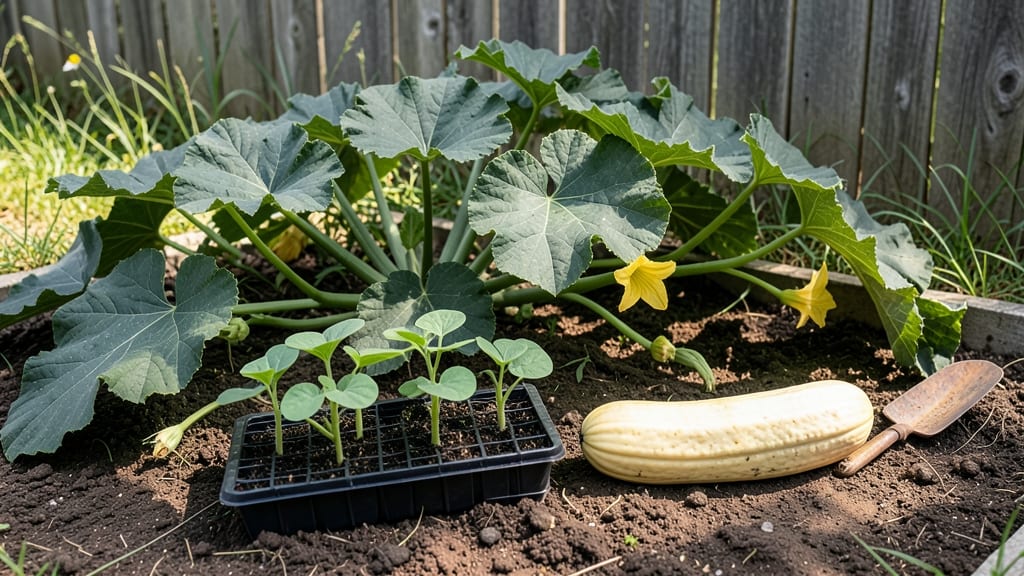
Plant spaghetti squash in Texas between mid-March and early June to align with your region’s last frost dates and avoid summer heat stress.
Texas gardeners know timing is everything—plant too early, and frost ruins your harvest; too late, and the scorching summer heat stresses your plants. The 90-100 days it takes to mature means missing the window can leave you with nothing but wilting vines.
This spring-planted vegetable thrives in USDA zones 8a-10b, but the exact timing shifts from Central Texas to the coast. Whether you’re in 8a or 10a, we’ll break down the best months for your area and how to adjust for microclimates.
You’ll learn how to prep your soil, time transplants, and even extend the season with shade cloth—so you can enjoy that sweet, stringy goodness straight from your garden.
Best months to plant spaghetti squash in Texas by region
Texas's diverse climate means your spaghetti squash planting timeline depends heavily on where you live. In North Texas (USDA zones 7b-8a), cooler nights and earlier frosts demand earlier starts, while South Texas (zones 9a-10b) offers a longer window to work with.
Even within regions, urban heat islands can push planting dates back by 2-3 weeks compared to rural areas. Let's break down the perfect timing for each zone to maximize your harvest.
Spaghetti squash thrives with 90-100 days of warm growing conditions, so timing is critical. Plant too early in North Texas, and late frosts will nip your seedlings. Wait too long in South Texas, and 100°F+ heat can stunt growth or cause blossom drop.
The key is matching your planting window to your last frost date while avoiding summer's worst heat. Most Texas gardeners aim to have mature squash off the vine before September's peak heat.
Here's how to adjust your planting schedule based on Texas's three main regions:
| Region | USDA Zones | Last Frost Date | Ideal Planting Window | Harvest Window | Microclimate Adjustments |
|---|---|---|---|---|---|
| North Texas | 7b-8a | Mid-February to early March | March 15-April 15 | Late August to mid-October | Urban areas: delay by 1 week; rural: can start 1 week earlier |
| Central Texas | 8a-9a | Late February to mid-March | March 1-April 30 | Early August to November | Hill Country: start 2 weeks earlier; Austin urban: delay by 10 days |
| South Texas | 9a-10b | Early February to late February | February 15-May 15 | July to December | Coastal: can plant as late as June; inland: avoid June for heat stress |
| West Texas | 7b-8a | Early March | Late March-April 15 | Mid-August to October | High desert: use shade cloth; irrigated areas: extend window by 2 weeks |
For North Texas gardeners, focus on March planting to ensure your squash matures before September heat sets in. Start seeds indoors in late February if you're eager, but transplant outdoors only after soil reaches 60°F.
In Central Texas, you have more flexibility with a March-April window, but avoid planting after May 1 unless you're using shade cloth to protect young plants from 100°F+ temperatures.
South Texas gardeners enjoy the longest growing season, with February through May as ideal planting months. However, June plantings are risky unless you're in coastal areas with moderate humidity.
The Rio Grande Valley can even attempt July plantings for fall harvests, but expect reduced yields. Always monitor soil moisture—Texas summers dry out quickly, even with irrigation.
If you're in an urban microclimate, adjust your timeline by 1-2 weeks later than rural recommendations. Concrete and pavement absorb heat, raising soil temperatures faster. Test your soil temperature with a soil thermometer—wait until it consistently reads 60°F+ before planting.
For container growing, use black pots to absorb more heat and extend your planting window by 10-14 days.
Pro tip: Use row covers for early plantings in North or West Texas to protect from late frosts (which can occur as late as April in high elevations). Remove covers once plants are 6 inches tall to prevent overheating.
For fall harvests, try succession planting in late June—these squash will mature just as summer cools, avoiding the worst heat.
Remember, spaghetti squash needs full sun (6-8 hours daily), so choose your planting spot carefully. If your garden gets less than 6 hours of sun, consider reflective mulch or a south-facing trellis to maximize light exposure.
In shady microclimates, yields will be poor, and squash may develop brittle, stringy flesh.
Finally, mark your calendar for harvest time—spaghetti squash is ready when the rind turns dull tan and the stem shriveled. In Texas, this typically falls between late August and November, depending on your planting date. Store harvested squash in a
How to extend your spaghetti squash growing season in Texas heat
Texas summers can turn your spaghetti squash vines into wilted messes if you don't adapt. The key is heat management—not just for the plants, but for their roots and soil too.
I’ve learned that shade cloth, mulching, and smart watering can push harvests into October when most gardens give up. Let’s break down the strategies that work in my USDA Zone 8b garden (and adaptable for other Texas regions).
First, choose heat-tolerant varieties like 'Gold Rush' or 'Honey Bear'—they handle 95°F+ better than standard types. These varieties mature faster (80-90 days) and produce sweeter fruit even under stress.
Pair them with companion plants like marigolds (repel pests) or bush beans (fix nitrogen in the soil), which create a microclimate that keeps roots cooler.
Here’s my step-by-step heat survival guide for spaghetti squash in Texas:
- 1. Shade cloth (30-50%): Install white shade cloth over vines when temps hit 90°F. This reduces soil heat by 10-15°F and prevents blossom drop. Secure cloth with stakes to avoid crushing vines.
- 2. Mulch heavily (4+ inches): Use straw or wood chips to block sunlight from hitting the soil. This keeps roots 5-10°F cooler and retains 30% more moisture. Replenish mulch every 4-6 weeks.
- 3. Drip irrigation (morning only): Water deeply at dawn (1-2 gallons per plant) to avoid fungal diseases. Never water at night—Texas humidity + wet leaves = powdery mildew disaster.
- 4. Succession plant in late July: Sow a second crop of fast-maturing varieties (e.g., 'Early Progeny') for a fall harvest. Use black plastic mulch to warm soil quickly in August.
- 5. Companion planting: Interplant with basil or nasturtiums to deter cucumber beetles and squash bugs. These plants also improve air circulation, reducing heat stress.
Don’t overlook soil prep—amend beds with compost and aged manure before planting to improve water retention. In my garden, adding 1 inch of compost at planting boosts yields by 20% even in drought. Test your soil’s pH (6.0-6.8)—spaghetti squash hates acidic conditions, which worsen heat stress.
For late-season extensions, try row covers in September to protect vines from early frosts. I’ve kept plants productive until mid-November using floating row covers during cool snaps.
Just remember to remove covers during the day to avoid overheating. Pair this with light fertilizing (5-10-10) every 4-6 weeks to sustain growth.
With these tactics, you can harvest spaghetti squash in Texas until November—just like I do in my Austin garden. The secret? Stay proactive with shade, water, and soil health, and your vines will reward you with sweet, stringy perfection long after other gardens have quit. 🌱