
Plants
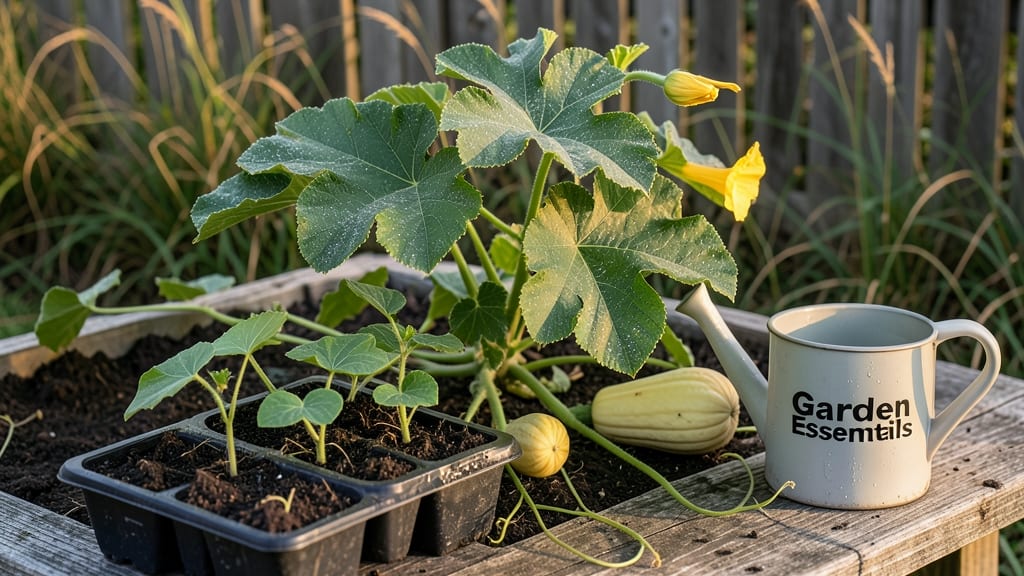
To plant spaghetti squash in Florida, aim for March–April or September–October when soil warms to 60°F+—the sweet spot for germination before summer’s heat peaks.
Florida’s long growing season means you can skip frost worries in most areas, but timing still matters. Plant too early, and your 🎃 spaghetti squash may bolt; too late, and the vines won’t mature before the dog days of summer.
I’ve learned the hard way that a 77-day growth window is non-negotiable for a full harvest.
North Florida’s occasional winter chills and South Florida’s relentless humidity both demand adjustments. Here’s how to nail the window, whether you’re in the Panhandle or the Keys—and why soil temperature is the real game-changer.
You’ll discover the exact frost-free planting calendar for your region, soil-warming tricks to jumpstart spring plantings, and how to stretch the season with mulch or shade cloth. No more guessing—just Florida-specific success.
Florida’s ideal spaghetti squash planting window by region
Florida’s frost-free climate makes spaghetti squash a perfect fit, but timing is critical to avoid heat stress or premature bolting. Unlike northern states, Florida gardeners must work within a 77-day growth window to harvest before summer temperatures exceed 90°F.
The key? Planting in spring or fall when soil temperatures and daylight align with your region’s microclimate.
North Florida’s cooler winters and occasional frost create a tighter window, while South Florida’s year-round warmth allows for more flexibility. Central Florida sits in between, offering the best balance.
Let’s break down the optimal planting months for each region to maximize your yield without the stress of extreme heat or frost surprises.
⚠️ Critical Note: Spaghetti squash requires 60°F+ soil to germinate and 70°F+ for vigorous growth. Florida’s sandy soils warm quickly in spring, but mulching is essential to retain moisture and warmth during germination.
| Region | First Frost Date | Last Frost Date | Ideal Planting Window | Harvest Window | Key Challenge |
|---|---|---|---|---|---|
| North Florida (Jacksonville, Gainesville) | December 15 | February 15 | March 1 - April 15 | June 1 - July 15 | Occasional frost; soil warms slower |
| Central Florida (Orlando, Tampa) | None (rare) | None | February 15 - March 30 OR September 1 - October 15 | May 15 - June 30 OR November 1 - December 15 | Summer heat stress; humidity |
| South Florida (Miami, Fort Lauderdale) | None | None | January 15 - February 28 OR August 15 - September 30 | April 1 - May 15 OR October 15 - November 30 | Hurricane season; high humidity |
For North Florida, focus on spring planting (March 1 - April 15) to avoid the rare but possible December frost. The 77-day growth window ends around June 15, so aim to harvest by July 1 to escape summer’s 90°F+ temperatures, which stunt growth and reduce fruit quality.
Central Florida gardeners enjoy the most flexibility with two planting windows: early spring (February 15 - March 30) and late summer (September 1 - October 15). The fall window is especially rewarding, as cooler temperatures in November create ideal conditions for sweet, tender squash.
In South Florida, the window shifts even earlier due to year-round warmth. Plant in January-February for a spring harvest or August-September for a fall harvest. Just be mindful of hurricane season (June-November), which can damage vines or delay planting.
Pro tip: Use black plastic mulch to warm soil faster in spring, especially in North Florida. This trick can shave 1-2 weeks off your germination time, giving you more flexibility in your planting schedule.
Stagger your plantings by 2-3 weeks to extend your harvest window. For example, in Central Florida, plant half your seeds on March 1 and the rest on March 15.
This ensures a steady supply of fresh squash and reduces the risk of losing your entire crop to heat stress or pests.
Always monitor your plants for heat stress signs like yellowing leaves or stunted growth. If temperatures climb above 90°F during flowering, provide afternoon shade with a lightweight row cover to protect developing fruits without sacrificing airflow.
Remember, Florida’s humidity and sandy soils create unique challenges. Mulch heavily with straw or pine needles to retain moisture and prevent bolting. With the right timing and care, you’ll enjoy a bountiful harvest of spaghetti squash that’s sweeter and more tender than store-bought varieties.
Soil temperature and spaghetti squash germination: Florida-specific tips
Florida’s sandy soils warm up quickly, but they also drain just as fast—creating a tricky balance for spaghetti squash germination. Unlike northern states, we don’t have to worry about frost, but soil temperature becomes our biggest ally (or enemy) when planting.
The ideal germination threshold is 60°F, but for vigorous growth, aim for 70°F+. In Florida’s heat, this often means planting in late spring or early fall to avoid summer’s extreme temperatures.
Our state’s unique climate means traditional planting advice doesn’t always apply. While most gardeners focus on frost dates, Florida gardeners must prioritize soil moisture retention and heat management. Without proper preparation, your seeds may sprout but struggle to establish roots in the fast-draining sand.
Let’s break down the critical steps to ensure your spaghetti squash thrives from seed to harvest.
For spring plantings, start seeds indoors 4-6 weeks before your target outdoor date (usually late February to early March) to give them a head start. Florida’s humidity and heat can cause seeds to rot if planted too early in cold soil.
If you’re planting in fall (September-October), the soil stays warm naturally, but watch for hurricane season—secure your plants or use row covers if storms are forecasted.
One common mistake in Florida is assuming our warm climate means we can plant anytime. But heat stress above 90°F can stunt growth or cause blossom drop. If you’re planting in summer, provide afternoon shade with 30% shade cloth until seedlings establish.
Pair this with drip irrigation to keep roots cool and moist. For container growing, use 5-gallon pots with coco coir mix to improve water retention.
Remember, spaghetti squash needs 90 days to maturity, so time your plantings to finish before summer’s peak heat. In North Florida, aim for a June harvest; in South Florida, November works best.
By mastering soil temperature and moisture, you’ll turn Florida’s sandy challenges into a spaghetti squash bonanza. Happy planting!