
Plants
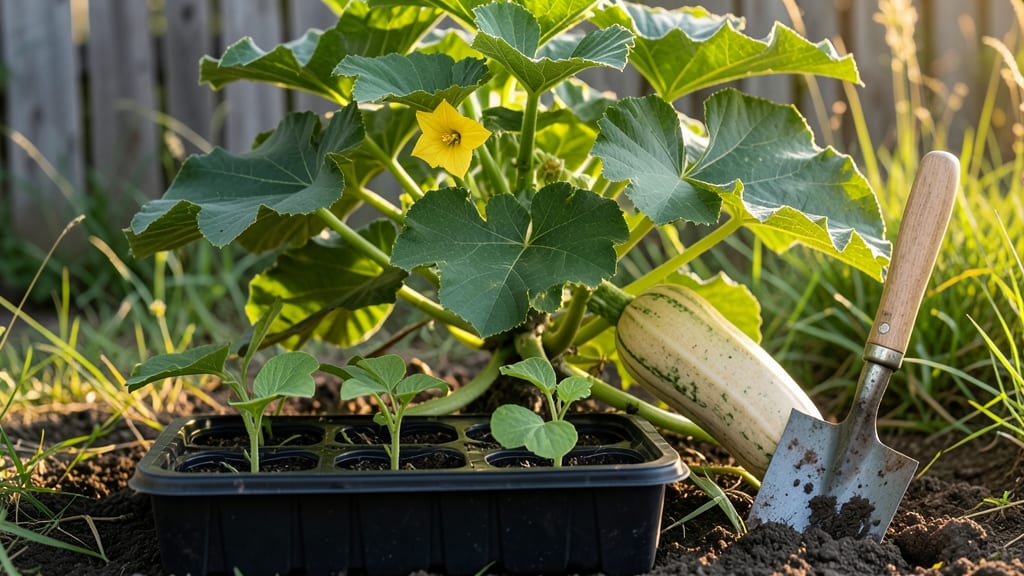
Planting butternut squash 🎃 in Georgia after the last frost and when soil hits 60°F is the fastest way to guarantee a bountiful harvest.
Georgia’s long growing season and humid climate make it a prime spot for butternut squash—but timing is everything. Plant too early, and frost will ruin your crop; too late, and you’ll miss peak harvest sweetness.
Most gardeners in USDA zones 7b-8b aim for mid-April to early June, but soil temperature is the real game-changer. Cold soil delays germination, while waiting for warmth ensures faster growth and bigger yields.
Below, I break down the exact soil triggers, regional adjustments (North vs. South Georgia), and pro tips to extend your harvest window—so you’re picking sweet, mature squash from September through November.
Georgia’s best planting windows for butternut squash by soil temperature
Butternut squash thrives in Georgia’s warm climate, but soil temperature is the #1 factor for success. These vines need consistent warmth (50°F+) to germinate properly, and Georgia’s microclimates create distinct planting windows. Coastal areas warm faster than the mountains, so timing matters—especially for direct sowing vs. transplants.
For direct sowing, wait until soil reaches 60°F+—this ensures faster germination (5–7 days) instead of waiting weeks for cooler soil. Transplants can go in slightly earlier (55°F+ soil) since they’re already established, but they still need warmth to thrive.
| Region | Soil Temp Trigger | Direct Sow Window | Transplant Window | Fall Harvest Ready |
|---|---|---|---|---|
| Coastal (Savannah, Brunswick) | 60°F+ (early April) | Mid-April to early May | Late March to early April | Late September |
| Piedmont (Atlanta, Macon) | 60°F+ (late April) | Late April to early June | Mid-April to late May | Mid-October |
| Mountains (Blue Ridge, Dahlonega) | 60°F+ (early May) | Early May to late June | Late April to early June | Early November |
| All Regions (Fall Harvest) | 60°F+ (late July) | Late July to early August | Mid-July to late July | October-December |
In coastal Georgia, you can start as early as mid-April because the ground warms quickly. But in the Piedmont, hold off until late April—cooler nights slow germination. Mountain regions are trickiest; aim for early May to avoid late frosts.
For a fall harvest, plant again in late July (soil temps stay warm until September). This second crop benefits from longer daylight and avoids summer heat stress. Just use fast-maturing varieties like ‘Waltham’ (85-day harvest) to beat frost.
Pro tip: Use a soil thermometer to confirm warmth—50°F is the minimum, but 60°F+ speeds germination. If your soil is cooler, opt for transplants (start indoors 3–4 weeks before last frost) to bypass slow starts.
Mulch heavily after planting to retain soil heat—black plastic or straw works best. This trick adds 2–3°F warmth, helping roots establish faster in transitional months like April or October.
Watch for false starts: If nighttime temps drop below 55°F, germination stalls. In the Piedmont, this happens often in May—use row covers for extra warmth if needed.
Timing also affects pest pressure. Planting in early June (instead of May) can reduce squash bug populations, which thrive in cooler, wetter springs. But late July plantings risk heat stress—choose shade-tolerant varieties like ‘Osage’ if your garden gets intense afternoon sun.
Finally, stagger your plantings by 2–3 weeks for a continuous harvest. For example, sow half in mid-April and half in early June—this spreads out your 90-day harvest window and ensures you’re not overwhelmed with ripe squash all at once.
5 Critical factors that determine your planting success in Georgia
Beyond just checking the calendar, your butternut squash success in Georgia hinges on five key factors that often get overlooked. First, frost dates vary dramatically—North Georgia’s last frost can linger until mid-April, while coastal areas may be frost-free by mid-March.
Planting too early risks frost damage, while waiting too long cuts harvest time short.
Next, Georgia’s soil pH should sit between 6.0–7.0 for optimal nutrient uptake. Our native clay soils often test acidic (5.0–5.5), so amend with lime or wood ash 2–3 months before planting. A simple soil test from UGA Extension costs just $15 and saves headaches later.
Sunlight needs are non-negotiable—8+ hours of full sun daily is critical for butternut squash. In Georgia’s Zone 7b–8b, this means selecting a south-facing plot with no shade after 10 AM. Even partial shade can reduce yields by 30% due to poor fruit development.
Proper spacing is another game-changer. Butternut squash vines sprawl 3–5 feet, so space plants 36–48 inches apart in rows 4–5 feet apart. Skimping on space leads to powdery mildew and poor air circulation, which invites diseases like cucumber beetles.
In small gardens, use trellises to save space while improving airflow.
Finally, companion planting can boost yields by up to 25%. Interplant marigolds or nasturtiums to repel squash bugs and cucumber beetles—two of Georgia’s most relentless pests. Avoid planting near potatoes, which compete for nutrients and attract the same pests, creating a vicious cycle.
Master these five factors, and you’ll transform Georgia’s humid climate into your butternut squash’s ideal growing environment—sweet, bountiful, and pest-free. Start with a soil test, mark your frost dates, and choose your sunny spot. Your harvest is closer than you think! 🎃