
Picking
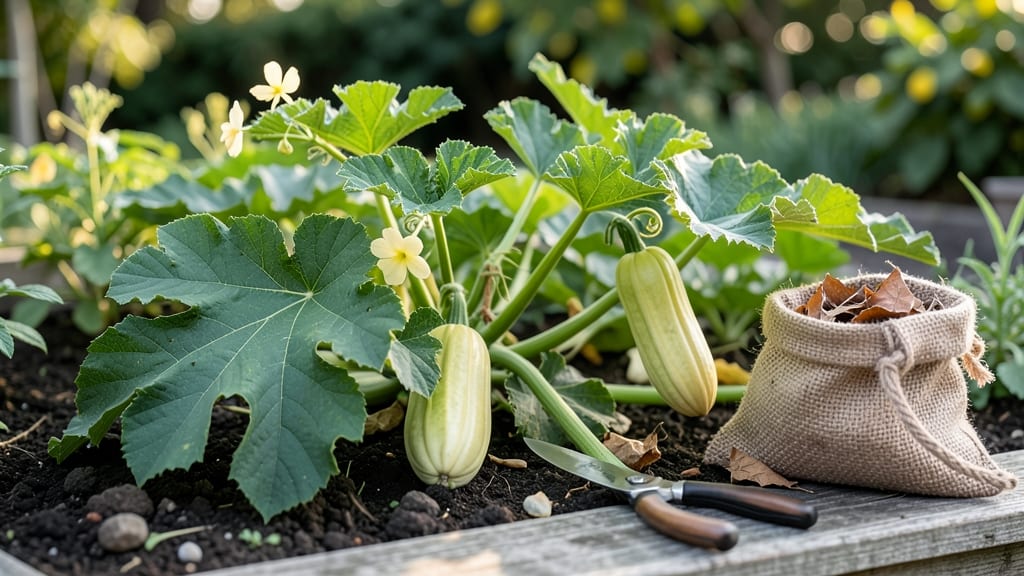
Picking spaghetti squash at 85–100 days after planting ensures tender, noodle-like flesh instead of tough, bitter strands — the difference between a showstopper meal and a culinary misstep.
Picture this: you’ve nurtured your 🎃 through late spring to summer, watching it grow from a tiny seedling to a 3–6-foot giant. Now, the moment of truth arrives — but one wrong move, and you’ll end up with a squash that’s either too hard or too soft.
The key? Timing it right when the skin turns dull yellow and the stem end hardens.
Most gardeners wait too long, assuming bigger means better. But spaghetti squash doesn’t play by those rules — its peak flavor and texture vanish fast once it’s overripe. In USDA Zone 6a, that means late summer to early fall, when the vines start yellowing and dying back.
Miss this window, and frost or heat can ruin your harvest before you even get to the kitchen.
Below, I’ll walk you through the exact visual cues to look for, how to test ripeness without damaging the squash, and what to do if you’ve already picked it too early (or too late).
No more guesswork — just foolproof tips to guarantee your spaghetti squash turns out perfect every time.
How to identify perfectly ripe spaghetti squash by appearance
Spaghetti squash is ready to harvest when it reaches peak ripeness—this means tender, stringy flesh instead of tough or mushy texture. The key is catching it at the right moment by checking four visual cues: skin color, stem condition, size, and firmness.
Overlooking these signs can lead to squash that’s either underripe or overripe, both of which ruin the culinary experience.
First, focus on the skin color. When ripe, spaghetti squash transitions from a bright green to a dull, matte yellow. This change signals that the sugars inside have fully developed, ensuring sweet, flavorful strands.
A glossy or green skin means it’s not ready yet, while a deep orange or soft skin indicates it’s past its prime.
Next, examine the stem end. A ripe squash will have a hard, dry stem that feels almost woody when touched. If the stem is still soft or moist, the squash needs more time on the vine.
This dryness is a clear sign that the plant has stopped nourishing the fruit, which is exactly when you want to harvest.
The size of the squash also matters. Most varieties reach maturity between 12–18 inches long and 6–10 pounds in weight. While size alone isn’t a foolproof indicator, squash that’s significantly larger may have tougher flesh.
Weighing and measuring can help you gauge whether your squash is in the ideal range.
Firmness is the final test. Gently press your thumb into the skin—it should feel firm but not rock-hard. If it yields slightly or feels soft, the squash isn’t ready. A firm rind ensures the flesh inside is tender and easy to scrape into those perfect noodle-like strands you love.
If you’re still unsure, check the vine health. When the vines begin to yellow and die back, it’s a strong signal that the squash is ready. This natural process indicates the plant is redirecting its energy, and the squash has reached maturity.
Ignoring this cue can lead to squash that’s too mature and loses its sweetness.
Harvesting at the right time also depends on your climate zone. In warmer regions, spaghetti squash may ripen faster, while cooler areas might need extra time. Always prioritize the visual cues over days since planting, as weather conditions can drastically affect ripening speed.
Once you’ve confirmed ripeness, use a sharp knife or pruners to cut the squash from the vine, leaving a 1-inch stem attached. This stem helps the squash cure properly and prevents rot.
Store your freshly harvested squash in a cool, dry place for up to a month, or refrigerate for longer storage.
Remember, the goal is to enjoy that al dente texture and sweet flavor that only comes from perfectly ripe spaghetti squash. With these visual cues, you’ll never miss the window again! 🎃
Best time of year to harvest spaghetti squash by climate zone
Timing your spaghetti squash harvest depends entirely on your USDA climate zone and frost dates. In warmer zones (8-10), you'll enjoy a longer harvest window, while cooler zones (3-6) require earlier picking to avoid frost damage.
Understanding these seasonal cues ensures you harvest at peak tenderness—when the flesh separates into perfect noodle-like strands.
Most spaghetti squash varieties mature in 85-100 days, but first frost dates dictate your harvest window. For example, in Zone 5, you'll need to harvest by early September, while Zone 9 gardeners can extend harvesting until November.
The key is balancing maturity with frost sensitivity—picking too early means underdeveloped flavor, while waiting too long risks tough flesh or frost damage.
| USDA Zone | Harvest Window | Key Cues | Adjustments for Early/Late Planting |
|---|---|---|---|
| 3-4 | Late July - Early August | Dull yellow skin, hard stem | Use black plastic mulch to warm soil |
| 5-6 | Mid-August - Late September | Skin turns matte yellow, rind resists pressure | Plant heat-tolerant varieties like 'Cocozelle' |
| 7-8 | September - October | Vines yellowing, stem dries completely | Extend season with row covers |
| 9-10 | October - November | Full yellow color, firm when tapped | Plant successive crops for staggered harvests |
In northern climates (Zones 3-5), I recommend planting heat-tolerant varieties like 'Cocozelle' or 'Golden Delicious' to ensure they mature before frost. These varieties handle cooler temperatures better, giving you a 2-3 week longer harvest window.
For southern climates (Zones 8-10), you can even plant fall crops after summer heat subsides—just ensure they receive consistent moisture during establishment.
If you're in a transitional zone (6-7), pay close attention to soil temperatures. Spaghetti squash thrives in 70-85°F soil, so if your spring is cool, consider using row covers or planting in raised beds to warm the soil faster.
This adjustment can push your harvest window 10-14 days earlier, helping you avoid early fall frosts.
For gardeners in Zone 10 and warmer, you can experiment with year-round planting—just avoid harvesting during peak summer heat (above 95°F), as this can cause the flesh to become grainy and less tender.
Instead, aim for fall and winter harvests when temperatures moderate, typically between 75-85°F.
Pro tip: In all zones, mark your planting dates and use a garden journal to track maturity. If you're unsure about your frost dates, check your local Cooperative Extension Service for zone-specific advice. With the right timing, you'll enjoy perfectly ripe spaghetti squash every year—no stringy surprises! 🎃