
Vegetables
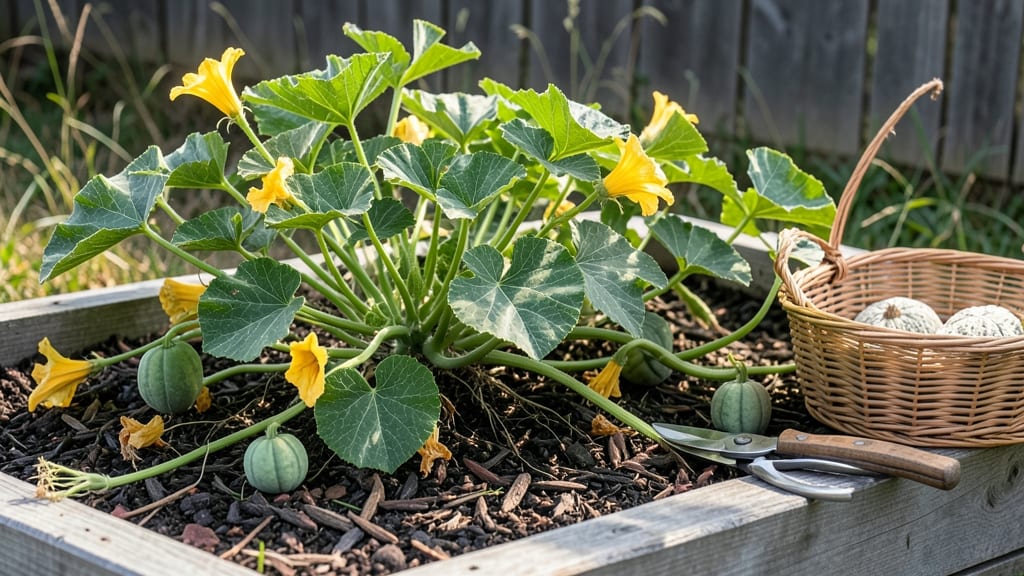
Harvesting butterbush squash at the right time ensures sweet, tender flesh and avoids that tough, bitter disappointment.
Picture this: your 🎃 butterbush squash is growing like crazy, but how do you know when it’s actually ready? Too soon, and you’ll have bland, seedy squash.
Too late, and it turns woody. The difference between a perfect harvest and a wasted effort comes down to three key cues: color, size, and skin firmness.
In USDA Zone 6, where summer days stretch long and hot, butterbush squash typically hits peak ripeness between late August and early October.
That’s when the skin deepens to a rich yellow or orange, the squash reaches 4–6 inches wide, and a gentle thumb press leaves no dent. Miss this window, and frost sneaks in—sending your harvest to the compost pile.
Below, I’ll walk you through how to spot these signs, compare butterbush to other squash varieties, and share storage tips to keep your harvest fresh for weeks. No more guesswork—just flavor-packed squash every time.
How to identify butterbush squash ripeness by color and size
Harvesting butterbush squash at the right moment ensures you enjoy its creamy texture and nutty flavor. Unlike other squash varieties, butterbush relies heavily on visual cues like color shifts and size benchmarks.
Missing these signs can lead to either bland or overly fibrous squash—neither of which you want in your kitchen.
Start by observing the skin color, which transitions from pale green to a rich yellow-orange hue as it matures. This change signals the squash is nearing peak ripeness. Pair this with the physical size, typically between 4-6 inches in diameter, to narrow down the perfect harvest window.
| Characteristic | Immature Squash | Mature Squash |
|---|---|---|
| Color | Pale green | Deep yellow-orange |
| Size | Under 4 inches | 4-6 inches |
| Skin Hardness | Soft, easy to puncture | Hard, resists fingernail |
| Stem Condition | Green, flexible | Dry, woody |
| Growth Rate | Rapidly expanding | Slow or stopped |
The stem condition is another critical indicator. Mature butterbush squash will have a dried, woody stem that snaps easily when bent. This contrasts sharply with immature stems, which remain green and flexible. If the stem feels damp or still plump, your squash needs more time on the vine.
Don’t rely solely on size—some butterbush varieties stay small but dense. Instead, combine color consistency with skin hardness. Press your thumbnail into the squash’s skin: if it leaves no mark, it’s ready. This test works best in morning sunlight, when the skin is firmest.
Watch for color uniformity across the entire squash. Immature butterbush often shows patches of green or pale spots, while mature squash displays a solid, vibrant hue. This uniformity ensures even ripening and sweetness throughout. If you spot uneven coloring, leave it a few more days.
Timing matters even more in cooler climates. Butterbush squash grown in USDA Zone 6 or lower may mature slower due to shorter growing seasons. Pay extra attention to stem drying and skin hardness in these regions, as color changes can be subtle.
A light frost warning is your final cue to harvest before the first freeze.
Once you’ve confirmed ripeness, use a sharp pruning shear to cut the squash from the vine, leaving a 1-inch stem attachment. This prevents rot and extends storage life. Handle mature butterbush gently—its thick skin is delicate when wet, especially after rain.
Pro tip: Harvest on a dry, sunny day to allow any surface moisture to evaporate before storing. This simple step prevents mold and keeps your squash fresh for up to 3 months in a cool, dark place.
Proper timing now means fewer trips to the garden—and more time enjoying your harvest.
Texture and taste tests: the final Check before harvesting
Once your butterbush squash reaches the right size and color, the final step is confirming its readiness through texture and taste tests. These simple checks ensure you harvest at peak flavor and texture, avoiding the pitfalls of underripe or overripe squash.
A firm touch and a quick taste can make all the difference between a meal-worthy squash and one that’s tough or bland.
Start by examining the skin hardness—press your thumbnail into the squash. If it leaves a small dent that doesn’t spring back, it’s not ready. For butterbush squash, the skin should feel almost wood-like when fully ripe, resisting pressure entirely.
This indicates the flesh has developed its signature sweetness and creamy texture, perfect for roasting or baking.
A quick sound test can also reveal ripeness. Tap the squash with your knuckles—if it sounds hollow and deep, like a drum, it’s ready. A dull thud means it’s still maturing.
This method works especially well for butterbush squash, which can sometimes hide its ripeness behind a thick skin. Pair this with a stem inspection: the stem should be dry and papery, not green or moist.
For the ultimate confirmation, take a small taste test. Cut a thin slice and sample the flesh. Ripe butterbush squash should be sweet, creamy, and tender, with no bitterness or fibrous texture.
If it tastes bland or watery, it’s underripe; if it’s tough or bitter, it’s overripe. This step is crucial, especially if you’re harvesting for storage—overripe squash won’t store well and may spoil quickly.
Remember, harvesting too late can turn your squash into a tough, stringy mess, while harvesting too early means missing out on its peak flavor and texture.
Use these tests as your final guide, and you’ll always know when your butterbush squash is ready to transform your kitchen into a culinary masterpiece. 🎃