
Vegetables
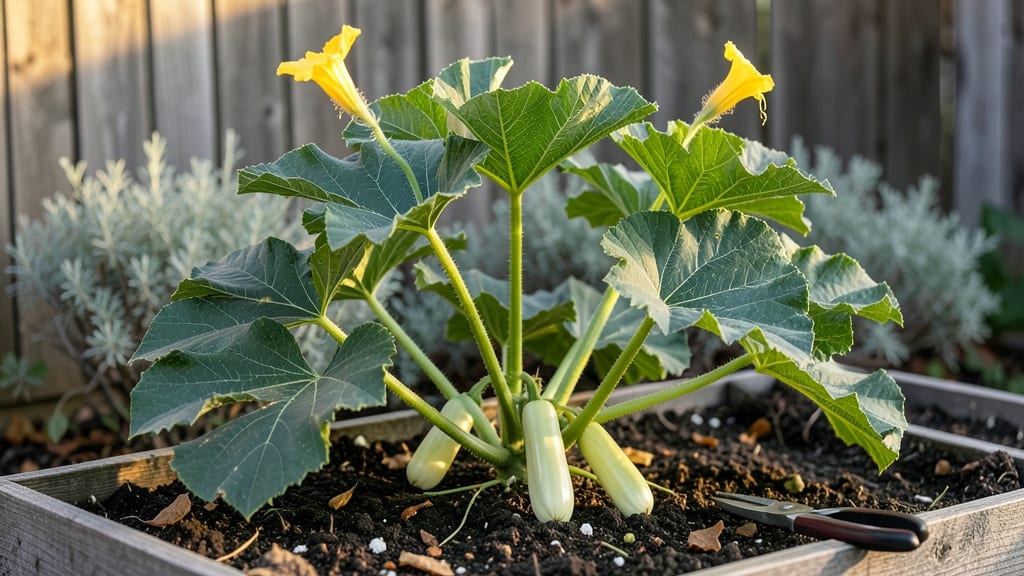
Pale green squash leaves or fruit mean your plants aren’t getting what they need. 🌱 I’ve seen this happen after heavy rains, overzealous watering, or when soil lacks nitrogen—your squash just looks tired instead of vibrant.
The good news? Fixing it is simpler than you think, and your harvest will thank you.
First, check your watering routine—soggy soil chokes roots and washes away nutrients. Let the top inch dry between waterings, and make sure your soil drains well. If your squash is still looking lackluster, a light application of compost or a balanced organic fertilizer can give them the boost they need.
Think of it like a vitamin shot for your plants.
Pests like squash bugs or aphids can also drain color by sucking out sap, so inspect the undersides of leaves. A strong spray of water or neem oil usually does the trick.
Within a few weeks, you’ll see that deep, healthy green return—and those squash will be ready to roast or sauté like the stars they are.
This works for zucchini, yellow squash, and even pumpkins. The key is catching the issue early and giving your plants the right care. Before you know it, you’ll have a bumper crop of squash that’s as nutritious as it is delicious.
The Hidden Reasons Behind Pale Squash
When your squash turns a dull, pale green instead of its vibrant hue, it’s usually a sign that something’s off in its growth or storage. Understanding the root causes can help you prevent it next time—whether you’re growing your own or buying from the market.
Here’s why it happens, broken down into clear, actionable explanations.
Pale green squash often starts with a lack of sunlight during its development. Squash (like zucchini, acorn, or butternut) relies on chlorophyll, the green pigment that also helps with photosynthesis.
When plants don’t get enough light—especially 6–8 hours of direct sunlight per day—they produce less chlorophyll, leading to a washed-out, pale green (or even yellowish) color.
Why it matters:
- Weak flavor & nutrition: Less chlorophyll means lower levels of vitamins (like vitamin C and folate) and a milder taste.
- Thinner skin & flesh: Poor sunlight can also result in underdeveloped squash with less texture.
How to fix it (if growing your own):
- Move plants to a sunnier spot or use a reflective surface (like white plastic or mirrors) to bounce light onto them.
- If space is limited, use grow lights (full-spectrum LED bulbs work best) for 12–14 hours daily.
Too much water—or soil that doesn’t drain well—can stress squash plants, leading to pale leaves and squash. While squash does need consistent moisture, soggy roots prevent proper nutrient uptake, including the pigments responsible for that bright green color.
The science behind it:
- Oxygen deprivation: Waterlogged soil cuts off oxygen to roots, weakening the plant’s ability to absorb magnesium (a key mineral for chlorophyll).
- Fungal risks: Excess moisture invites diseases like powdery mildew, which can discolor leaves and fruit.
Actionable fixes:
- Test your soil: Stick your finger 1–2 inches deep—if it’s damp, wait before watering. Aim for 1 inch of water per week (including rain).
- Improve drainage: Amend heavy clay soil with compost or sand to help roots breathe.
- Mulch properly: Use straw or shredded leaves to retain just enough moisture without drowning the plants.
Pale squash can also signal a lack of key nutrients, particularly nitrogen, magnesium, or iron. These elements are critical for chlorophyll production and overall plant health.
| Nutrient | Role in Squash Growth | Signs of Deficiency | Quick Fix |
|---|---|---|---|
| Nitrogen (N) | Boosts leafy growth and chlorophyll | Yellowing leaves (starting with older ones), stunted vines | Add blood meal or compost tea |
| Magnesium (Mg) | Central to chlorophyll molecules | Interveinal yellowing (veins stay green) on older leaves | Sprinkle Epsom salt (1 tbsp per gallon of water) every 2 weeks |
| Iron (Fe) | Helps chlorophyll formation | Pale green/yellow leaves with green veins (young leaves first) | Use chelated iron or apply iron sulfate |
Pro tip: 💡 Conduct a soil test (kits are cheap and available at garden centers) to pinpoint exact deficiencies before amending.
Squash thrives in warm soil (60–90°F) and struggles when temperatures dip too low or rise too high. If planted too early in cool weather, growth slows, and squash may develop a pale, weak color.
How temperature affects squash:
- Cool nights (<50°F): Delays chlorophyll production, leading to pale, slow-growing fruit.
- Heat stress (>95°F): Can cause sunscald (white/yellow patches) or blossom-end rot (which affects color and texture).
Prevention tips:
- Wait until soil is warm (use a soil thermometer—aim for 60°F+).
- Use black plastic mulch to absorb heat and speed up soil warming.
- Choose heat-tolerant varieties like ‘Eight Ball’ zucchini or ‘Gold Rush’ acorn squash.
Even if your squash looks vibrant at the store or in your garden, how you store it can turn it pale over time. Ethylene gas (released by some fruits/veggies) and improper humidity accelerate aging, dulling color and softening texture.
Common storage mistakes:
- Storing with ethylene producers (apples, bananas, tomatoes) speeds up ripening and discoloration.
- Low humidity causes squash to lose moisture, making it shriveled and pale.
- Refrigerating too soon (if not fully mature) can turn squash mealy and dull.
How to store squash properly:
- Unripe squash: Keep at room temp (55–60°F) in a paper bag (allows ethylene to escape).
- Mature squash: Store in a cool (50–55°F), dark, humid place (like a root cellar or pantry).
- Cut squash: Wrap tightly in plastic wrap and refrigerate for up to 5 days.
Revitalize Your Pale Squash Dishes
If your squash is looking dull and pale instead of vibrant, don’t toss it—revive it with these practical fixes! Whether it’s undercooked, overripe, or just lacking flavor, these solutions will bring back its natural beauty and taste.
Plus, we’ll share tips to keep your squash looking fresh and delicious for longer.
When squash turns pale and mushy, it’s often a sign of overcooking. The good news? You can still salvage it with a few quick tweaks.
- 🍳 Boost with Acid or Fat
- Add a splash of lemon juice, vinegar, or balsamic glaze to brighten the color and balance flavors.
- Stir in olive oil, butter, or cream to restore moisture and richness.
- 👨🍳 Reheat Properly
- If reheating, use low heat and a splash of water or broth to prevent drying out.
- For roasted squash, broil for 1-2 minutes to caramelize the edges without overcooking.
- 🥘 Repurpose into a Sauce or Puree
- Blend with garlic, herbs, and a little cream for a creamy squash dip or soup base.
If your squash is pale and lacks sweetness, it might not be fully ripe or needs a flavor boost.
- 🔪 Roast or Sauté for Depth
- Roast at high heat (425°F/220°C) for 20-25 minutes with olive oil, salt, and spices like cumin or smoked paprika.
- Sauté with aromatics—garlic, onions, or shallots—to enhance natural sweetness.
- 🌡️ Ripen It Further (If Possible)
- Store at room temperature for a few days to let it soften and sweeten.
- Avoid the fridge until fully ripe—cold temperatures can dull flavor.
- 🎯 Pair with Bold Flavors
- Toss with crispy bacon, toasted nuts, or spicy chili flakes to mask blandness.
Want to avoid pale squash in the first place? Follow these pro tips:
- 📊 Harvest at Peak Ripeness
- Choose squash with a deep green color and firm skin—avoid soft spots or yellowing.
- 🥗 Store Properly
- Keep uncut squash in a cool, dry place (not the fridge) until ready to use.
- Once cut, refrigerate in an airtight container with a paper towel to absorb moisture.
- 🍎 Cook with Confidence
- Test doneness with a fork—it should pierce easily but not be mushy.
- Season generously with salt, pepper, and herbs to enhance natural flavors.
With these fixes, your pale squash can go from blah to bold and beautiful in minutes. Next time, you’ll know exactly how to bring back its vibrant color and mouthwatering taste!
Frequently asked questions
Why does my squash look pale green instead of bright?
Pale green squash usually means your plants aren't getting enough sunlight (6-8 hours/day) or key nutrients like nitrogen or magnesium. Check for yellowing leaves (older ones first) or interveinal yellowing—this helps pinpoint whether it's a light or nutrient issue. A quick fix is moving plants to a sunnier spot or adding compost.
Is pale green squash safe to eat?
Yes! Pale squash is still safe and nutritious, though it may have milder flavor and fewer vitamins. The color change just means the plant was stressed during growth. For best results, roast or sauté with bold flavors like garlic, olive oil, or spices to enhance its natural sweetness.
How can I fix pale squash leaves on my plants?
Start by checking soil moisture—waterlogged roots block nutrient uptake. Let the top inch dry between waterings, and improve drainage with compost. For nutrient issues, use Epsom salt (magnesium) or blood meal (nitrogen). If pests like aphids are present, spray with soapy water or neem oil.
Does storing squash in the fridge make it turn pale?
Yes! Cold temperatures slow down ripening and can cause moisture loss, making squash look dull. Store uncut squash at 50-55°F in a cool, dark place (like a pantry). Once cut, refrigerate in an airtight container with a paper towel to preserve color and freshness.