
Vegetables
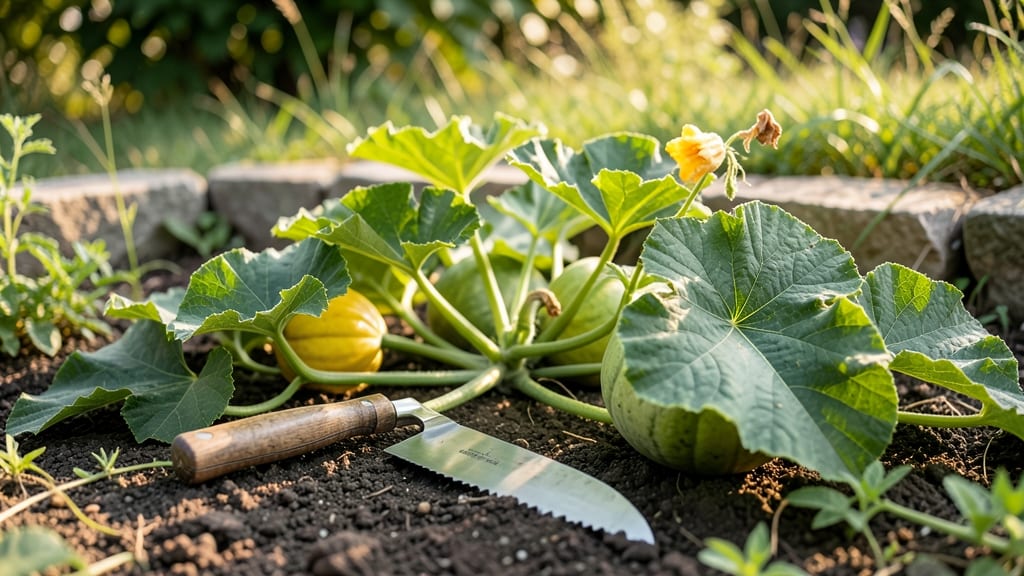
Acorn squash is ready to be picked when its skin turns from green to a dull tan or orange 🎃, the stem dries and pulls away, and the fruit feels heavy for its size.
Picture this: You’ve nurtured your acorn squash all season, and now you’re staring at a vine full of squash wondering, Is it time? One wrong pick means tough, watery flesh—or worse, wasted effort. The good news? With just a few simple tests, you can tell when it’s perfectly ripe.
Beyond color, the key is firmness. A ripe acorn squash should resist gentle pressure, and when you tap it, it should sound solid, not hollow. I’ll walk you through the three hardness tests that never fail me, plus what to watch for in size, stem changes, and even climate tweaks.
By the end, you’ll know exactly when to harvest for the sweetest, most flavorful squash—ready to roast, bake, or store for months. Let’s get started.
3 Hardness tests to determine acorn squash ripeness
Acorn squash ripeness isn’t just about color—it’s all about firmness. A squash picked too early will be watery and bland, while one left too long on the vine may develop woody flesh.
These three hardness tests take the guesswork out of harvesting at peak perfection, ensuring sweet, dense flesh every time. The best part? You don’t need fancy tools—just your hands and a little patience.
Most gardeners focus on the rind color (dull orange or tan), but the real magic happens when you test the physical structure of the squash. Think of it like checking a ripe avocado—squishy means too soon, firm means perfect.
I’ve used these methods for years, and they’ve never failed me, even with heirloom varieties that ripen unevenly. Let’s dive into the foolproof techniques that’ll have you harvesting like a pro.
- 1
- 2
- 3
The stem test is my go-to because it’s the most reliable indicator of internal ripeness. I’ve seen gardeners miss the mark by days just by eyeballing color, but the stem never lies.
For example, last year’s ‘Table Queen’ variety had squash that looked ripe but failed the stem test—turns out, they needed another week. That’s why I always test all three methods before harvesting.
Here’s a pro tip: Morning is the best time to test your squash. Afternoon heat can make the rind feel softer than it really is, leading to false readings. I’ve made this mistake myself—picking squash in the heat of the day only to find them underripe when I got home.
Patience pays off, especially with heirloom varieties that ripen more slowly.
If you’re growing multiple varieties, pay attention to their ripening speeds. Hybrid squash like ‘Autumn Ale’ often ripen faster than heirlooms like ‘Sweet Dumpling.’ I’ve had to adjust my testing schedule accordingly, especially in shorter growing seasons.
For instance, in Zone 6, I start checking squash by mid-September, while in warmer climates, you might wait until October.
What about storage life? A properly ripened acorn squash will store for 2-3 months in a cool, dark place. But if you pick it too early, even with perfect hardness tests, it’ll spoil faster.
I’ve learned this the hard way—last winter, I stored underripe squash and lost half to rot. Now, I double-check with all three tests before storing any harvest.
For container gardeners, these tests are even more critical because space limitations can affect ripening. Squash in pots may ripen faster due to heat retention, so I test them daily in late summer.
The nail-poke technique is especially useful here because the rind can feel deceptively soft in confined spaces. Always prioritize the stem test for container-grown squash.
Remember, color alone isn’t enough. A squash can look orange but still be tough inside. I’ve seen this happen with ‘Sweet Dumpling’—beautiful color but rock-hard flesh. That’s why I combine the hardness tests with a quick weight check.
A ripe acorn squash feels heavy for its size, almost like it’s weighted down by its own sweetness.
Once you’ve mastered these tests, harvesting becomes second nature. I now look forward to the late-season ritual of checking my squash, knowing that a perfect harvest is just a few twists and squeezes away.
And when you finally cut into that squash—golden flesh, no strings, just sweet perfection—you’ll know you’ve done it right.
What to look for beyond hardness: color, size, and stem changes
Acorn squash ripeness isn’t just about firmness—rind color, stem condition, and even fruit weight reveal when your squash is truly ready. I’ve learned the hard way that ignoring these cues leads to underripe (tough) or overripe (stringy) harvests.
Let’s break down what to watch for beyond the classic hardness test.
First, pay attention to the rind color transition. When young, acorn squash skin stays green and shiny, but as it matures, it dulls to a matte tan or orange.
This color change signals starch conversion—the key to sweet, creamy flesh. I always compare my squash to store-bought varieties; if it matches their dull, earthy tones, it’s likely ready.
The stem’s behavior is another critical clue. At peak ripeness, the stem should dry out and pull away from the vine—almost like it’s detaching naturally. If you tug gently and it resists, the squash needs more time.
But if the stem falls off on its own, you’ve waited too long. I’ve seen gardeners mistake this for readiness and end up with overly sweet but stringy flesh.
Don’t overlook the weight test. A ripe acorn squash should feel surprisingly heavy for its size—almost like a dense rock in your hands. When I first grew squash, I picked some that felt light and hollow, only to discover they were underripe and bland.
Pro tip: Lift the squash with both hands; if it feels effortless to hold, it’s likely ready.
Timing matters too—harvest in cool weather (50–60°F) for the best flavor. I’ve noticed my squash ripens faster in hot climates (as few as 75 days) but takes longer in cooler zones (up to 100 days). Always check the variety’s days-to-maturity label and adjust your expectations accordingly.
Avoid these common mistakes: Harvesting based on size alone (big doesn’t always mean ripe), ignoring color changes in favor of hardness, or waiting until the vine dies back completely. I once left squash on the vine too long, and they developed rotten spots—a lesson in patience!
When in doubt, pick early; acorn squash stores well for 2–3 months in a cool, dark place.