
Vegetables
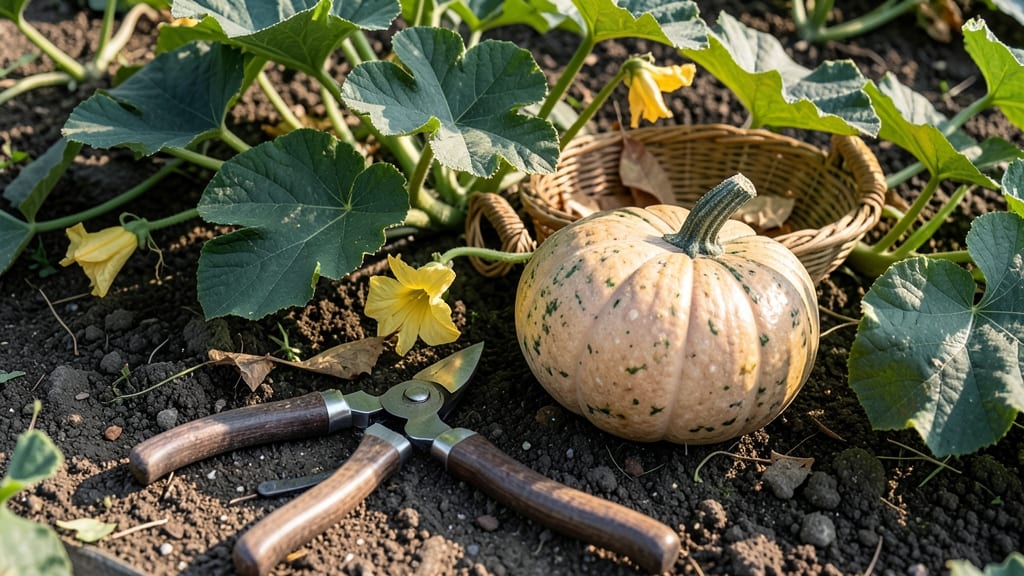
Acorn squash is ready to pick when its rind hardens and color deepens to a rich golden or tan 🎃 — timing this perfectly makes all the difference in flavor and texture.
Picking too early gives you tough, bland flesh, while waiting too long means mealy, overripe squash. I’ve learned the hard way that missing these cues can turn a harvest into a disappointment, but the right signs make it foolproof.
Look for a stem that’s dried and shriveled, a rind that’s difficult to pierce with your thumbnail, and vines that are yellowing and dying back. These visual clues tell you exactly when to grab your pruners.
Below, I’ll walk you through four foolproof signs of ripeness, how to adjust for your climate zone, and what to do if weather delays your harvest. No more guesswork!
4 Visual cues to identify perfectly ripe acorn squash
Harvesting acorn squash at the right moment transforms bland, tough flesh into sweet, nutty perfection. The key lies in four visual cues that reveal ripeness beyond guesswork.
I’ve learned the hard way—overripe squash turns mealy, while underripe ones stay bitter and seedy. Let’s break down what to look for when inspecting your plants.
First, focus on the skin color. Ripe acorn squash develops a deep, matte golden or tan hue, especially near the stem. Early in the season, the skin stays pale green—this is your first clue it’s not ready.
I always check the neck area first, where color changes most dramatically. Some varieties like ‘Table Queen’ may show subtle stripes, but the overall tone should be rich and even.
Next, examine the stem condition. A ripe squash’s stem dries out, turning brown and papery at the base. If you gently tug, it should pull away easily—this signals the squash has fully matured.
When I first grew acorn squash, I missed this cue and harvested too early, resulting in a watery interior. Now, I wait until the stem feels brittle and shriveled before picking.
Here’s where many gardeners go wrong: relying on size alone. While ripe squash typically measures 4–6 inches wide, some varieties keep growing after reaching maturity. Instead, press your thumb into the skin—it should feel hard like a cantaloupe.
If it dents easily, it’s not ready yet. I test this by applying gentle pressure near the blossom end; resistance means it’s time to harvest.
| Sign | Ripe Condition | Unripe Condition | Pro Tip |
|---|---|---|---|
| Skin Color | Deep golden/tan, matte finish | Pale green, glossy | Check neck area first—color darkens there last. |
| Stem | Dry, brown, papery | Green, fresh, flexible | Tug gently—if it pulls away, it’s ripe. |
| Skin Hardness | Hard like cantaloupe | Soft, dents easily | Press near blossom end—no give means ready. |
| Vine Health | Yellowing, dying back | Green, healthy growth | Wait until vines brown—this confirms maturity. |
Seasonal variations matter too. In cooler climates, acorn squash ripens faster due to shorter growing seasons. I’ve seen squash reach peak ripeness by mid-October in Zone 5, while warmer zones like Zone 8 may extend harvests into November.
Always account for your last frost date—squash won’t ripen after frost, so adjust your timeline accordingly.
One trick I picked up from local farmers is to tap the squash lightly with your knuckles. A ripe acorn squash produces a deep, hollow sound, similar to a pumpkin. If it thuds like a watermelon, it’s underripe.
This method works best when combined with the other cues—never rely on sound alone, but it’s a quick way to double-check in the garden.
Finally, watch the vines. When the plant’s leaves begin to yellow and wither, it’s a clear signal that energy is redirecting to the squash. I once ignored this cue and ended up with overripe squash that stored poorly.
Now, I harvest within 3–5 days of vine dieback to ensure optimal flavor and texture.
Pro tip: If you’re unsure, harvest a squash and let it cure for 1–2 weeks in a dry, warm spot. Proper curing deepens flavor and sweetness. I store mine on a sunny windowsill for a week before using—it’s worth the wait for that perfectly sweet taste. 🎃
How to test acorn squash ripeness without cutting it open
Testing acorn squash ripeness without cutting into it saves time and frustration. Instead of guessing, use these simple non-destructive methods to confirm when your squash is ready for harvest. The key lies in physical cues and vine behavior—no knife required!
First, check the skin hardness by gently pressing your thumbnail into the squash. If it leaves no mark, the rind is firm enough. A soft spot means it needs more time. This tapping test is my go-to trick for avoiding overripe or underripe squash.
Next, inspect the stem and vine. A ripe acorn squash will have a stem that’s dry and shriveled, almost like paper. The vine should also show signs of yellowing and dying back, signaling the plant is redirecting energy to the fruit.
⚠️ WARNING: Harvesting at the Wrong Time ⚠️
For a final check, give the squash a gentle tap—it should sound hollow, like knocking on a drum. If it thuds, it’s still firming up. This acoustic test works surprisingly well and gives you instant feedback without damage.
If you harvest too early, your squash won’t ripen further off the vine. Store it in a cool, dry place for a few days to see if it improves, but expect limited flavor development. Overripe squash can last longer but loses sweetness and texture.
With these three simple tests—hardness, stem condition, and sound—you’ll never second-guess your acorn squash harvest again. Happy gardening! 🎃