
Shrubs
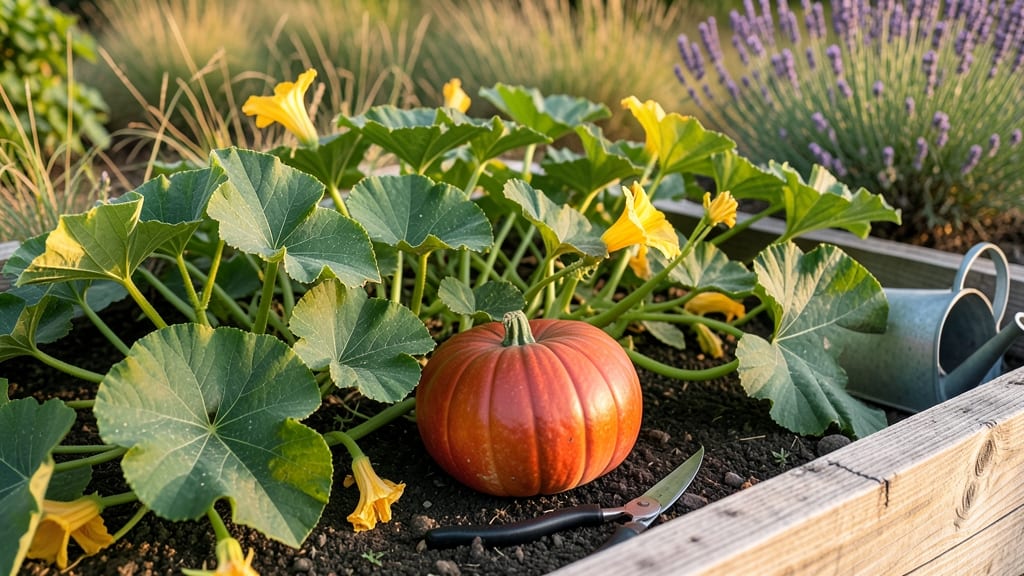
Red kuri squash is a sweet, nutty winter squash with a deep red skin and dense, dry orange flesh, prized for its rich flavor and versatility in both savory and sweet dishes. It stores well and is a popular alternative to butternut squash.
This Japanese heirloom squash stands out for its caramel-like sweetness and firmer texture compared to butternut, making it ideal for dishes where you want to retain shape—like roasting or grilling. 🔥 Unlike its milder cousin, red kuri holds up better to high heat, developing deeper, almost chestnut-like flavors when cooked.
Gardeners love it because it matures earlier than many winter squashes, offering a harvest window from late summer to fall.
What makes red kuri especially popular is its dual-purpose appeal: it works beautifully in savory mains (think curries or pasta) and even in desserts like pies or spiced roasted slices.
The skin's vibrant red hue also adds visual appeal to any dish, whether you peel it or leave it on for a rustic touch. I always keep at least one on hand during fall cooking—it's my go-to for adding hearty sweetness without overpowering other ingredients.
💡 In This Article
- Red Kuri Squash vs Butternut: Key Differences in Flavor and Texture
- Top 5 Recipes Featuring Red Kuri Squash for Beginners
Red kuri squash vs butternut: key differences in flavor and texture
The most striking difference between red kuri and butternut squash lies in their flavor intensity. Red kuri delivers a deeper, almost chestnut-like sweetness with subtle earthy undertones, while butternut offers a milder, more golden-honey sweetness.
The flesh of red kuri is denser and firmer—think of a cross between sweet potato and acorn squash—whereas butternut has a softer, almost custard-like texture when cooked. This firmness makes red kuri ideal for dishes where shape matters, like roasted cubes or grilled slices.
When you cut into both, you'll notice red kuri's flesh has a drier, grainier texture that caramelizes beautifully at high heat (400°F+), developing complex, nutty flavors.
Butternut, on the other hand, becomes tender and slightly stringy when overcooked, while red kuri holds its structure even after 30-40 minutes in the oven.
The skin also plays a role—red kuri's vibrant red rind adds a striking visual contrast to butternut's tan skin, making it a showstopper in any dish.
For home cooks, this means red kuri excels in recipes where you want to preserve shape and texture, like roasted wedges or stuffed halves. Its higher sugar content (about 10-12% by weight) makes it perfect for desserts, too, while butternut's creamier texture shines in soups or purees.
The key? Red kuri's lower moisture content means it won't turn mushy as quickly, giving you more control over the final dish's texture.
Seasonal availability also differs slightly. Red kuri matures earlier in the growing season, typically ready for harvest in 90-100 days, while butternut takes 100-120 days.
This makes red kuri a favorite for gardeners in cooler climates, as it can be harvested before the first frost. 🌱 Both store well in cool, dark conditions for 2-3 months, but red kuri's firmer flesh resists drying out longer, making it a more reliable pantry staple.
Consider these key factors when choosing between them:
- Flavor profile: Red kuri for deep, nutty sweetness; butternut for mild, honey-like notes
- Texture needs: Red kuri holds shape better (great for roasting); butternut softens faster (ideal for purees)
- Cooking method: Red kuri excels at high heat; butternut works better for slow-cooked dishes
- Visual appeal: Red kuri's red skin adds vibrant color to plates
If you're looking for a squash that bridges the gap between sweet potato and acorn squash—with a flavor profile that's more complex than either—red kuri is your best bet. Its versatility in both savory and sweet applications makes it a standout in any kitchen. 🔥