
Picking
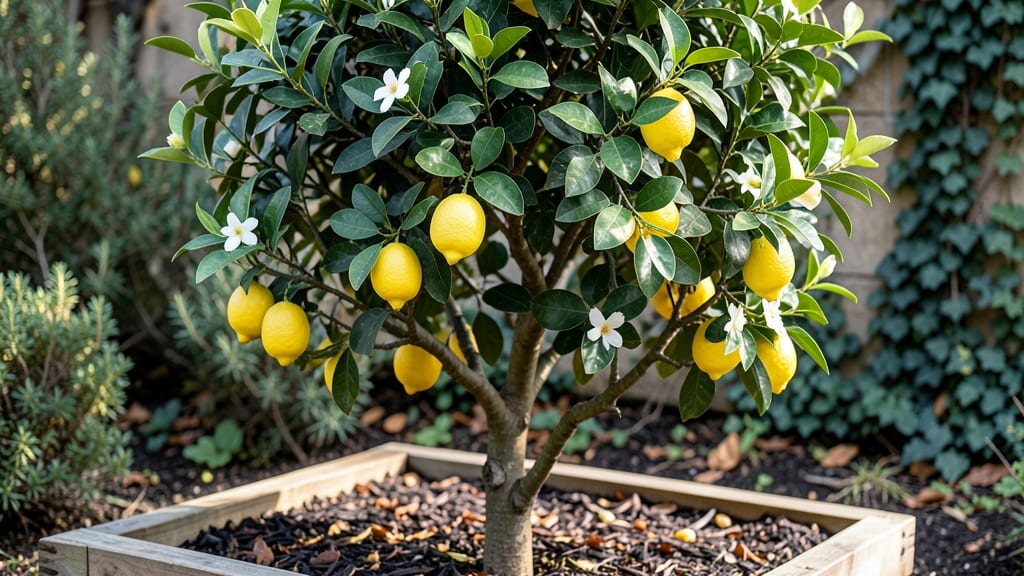
Lemon squash is a small, round citrus fruit with bright yellow skin and tangy, sweet-tart flesh similar to a cross between a lemon and a lime, often used fresh in salads, desserts, or as a garnish. Its thin rind and juicy pulp make it ideal for raw consumption or cooking.
Lemon squash isn't just another citrus—it's a vibrant, flavor-packed fruit that bridges the gap between tart and sweet. 🌿 Unlike its distant lemon cousin, this variety packs a more complex profile with hints of honey and floral notes, making it a standout in both raw dishes and cooked recipes.
Growing these in warm climates is straightforward, and their compact size makes them perfect for home gardens or even container growing.
Beyond its delicious taste, lemon squash is a nutritional powerhouse. Rich in vitamin C and antioxidants, it boosts immunity while adding a refreshing zing to everything from marinades to desserts.
I love using it in place of lemons when I want a brighter, slightly sweeter twist—especially in summer salads or sparkling drinks.
💡 In This Article
- Lemon Squash Varieties and Growing Conditions
- Culinary Uses and Health Benefits of Lemon Squash
Lemon squash varieties and growing conditions
Lemon squash belongs to the Citrus × limon family, specifically hybridized varieties that combine traits from lemons, limes, and other citrus species.
The most common types include the Eureka lemon squash, known for its thick, glossy skin and balanced tart-sweet flavor, and the Meyer lemon squash, which boasts a sweeter profile with hints of honey and floral undertones.
These hybrids thrive in USDA hardiness zones 9-11, where temperatures consistently stay above 50°F during winter months. 🌱
The ideal growing conditions for lemon squash mimic its native Mediterranean climate: full sun exposure (at least 6-8 hours daily) and well-draining, slightly acidic soil with a pH between 6.0-7.0. Unlike lemons, which require cross-pollination, lemon squash trees are self-pollinating, making them more manageable for home gardeners.
For container growing, choose pots at least 15-20 gallons in size with drainage holes to prevent root rot—a common issue when these plants sit in soggy soil.
Starting from seed takes 2-3 years to bear fruit, while grafted trees (available at nurseries) produce fruit within 1-2 years.
The key to successful cultivation lies in consistent watering—keeping the soil evenly moist but never waterlogged—while avoiding over-fertilizing, which can lead to excessive foliage growth at the expense of fruit production. Pruning in late winter helps maintain a compact shape and improves air circulation, reducing disease risk.
What sets lemon squash apart from traditional lemons is its compact size: individual fruits rarely exceed 2-3 inches in diameter, making them perfect for small gardens or urban patios.
The thin, textured skin is easier to peel than lemons, and the flesh remains juicy even when fully ripe—unlike some citrus varieties that dry out. This makes them ideal for both culinary use and ornamental purposes, adding vibrant color to kitchen counters or centerpieces.
For those in cooler climates, growing lemon squash in containers allows you to overwinter them indoors near a sunny window or under grow lights.
The plants tolerate brief temperature drops to 28°F, but prolonged exposure below 32°F can damage leaves and reduce fruit yield. 🌿 In my own garden, I've found that placing pots near a south-facing wall provides extra protection during unexpected cold snaps.
One advanced tip: If you're growing lemon squash for commercial purposes, consider planting companion plants like marigolds or basil nearby. These help deter pests like aphids and whiteflies, which can stress the trees and reduce fruit quality.
The aromatic basil also enhances the flavor of the squash when used together in cooking—a win-win for both garden and kitchen!