
Picking
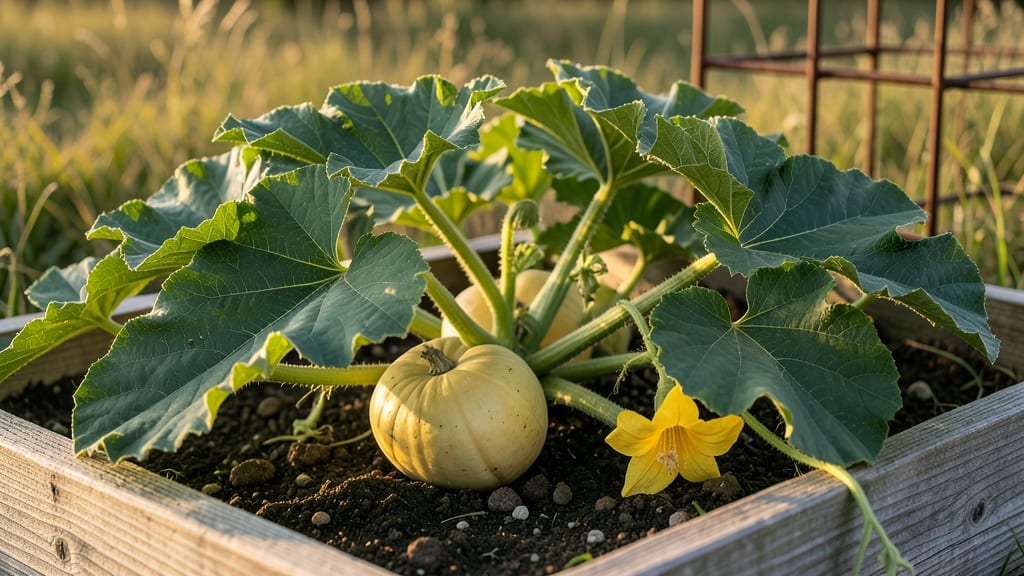
Buttercup squash is a small winter squash variety known for its sweet, nutty flavor and dense orange flesh encased in smooth golden-yellow skin. Unlike acorn squash, it has a more compact shape and slightly sweeter profile, making it a favorite for both savory and dessert recipes.
Buttercup squash stands out among winter squash varieties because of its balanced sweetness and versatile texture. 🌟 While it shares some visual similarities with acorn squash—like its ribbed exterior—its flesh is firmer and less stringy, holding up beautifully when roasted or baked.
I've found it works exceptionally well in soups, where its natural sugars caramelize, or as a substitute for pumpkin in pies.
The key difference from acorn squash lies in its flavor intensity and how it behaves when cooked—it's less prone to becoming mushy, which makes it a chef's secret weapon for both home cooks and professional kitchens.
What really sets buttercup squash apart is its nutritional profile. With a higher sugar content than many other winter squashes, it's perfect for those looking to add natural sweetness to their meals without refined sugars.
Plus, its dense flesh means you get more "bang for your buck" when it comes to servings—ideal for meal prep or feeding a crowd. The best part? Its skin is edible, so you can skip peeling and save time while maximizing flavor.
💡 In This Article
- Buttercup Squash vs Acorn Squash: Key Differences
- Top Cooking Methods for Buttercup Squash
Buttercup squash vs acorn squash: key differences
The most noticeable distinction between buttercup and acorn squash lies in their skin texture and color. Buttercup squash features a smooth, golden-yellow rind that's almost waxy to the touch, while acorn squash has a ribbed exterior with a deeper green hue.
The buttercup's skin is also slightly thicker, which helps preserve its shape better during cooking. When you cut into both, the flesh tells the whole story—acorn squash has a more fibrous, slightly stringy texture, whereas buttercup squash offers a dense, dry, and velvety consistency that holds together beautifully when cooked.
Flavor-wise, buttercup squash delivers a sweeter, more refined taste with subtle nutty undertones, while acorn squash has a slightly earthier profile with a hint of chestnut.
The sugar content in buttercup squash is noticeably higher—about 10% more than acorn squash—which explains why it caramelizes so beautifully in baking applications. 🌟 Nutritionally, buttercup squash packs more vitamin C (about 35% daily value per cup) and slightly more fiber, making it a more nutrient-dense option for both savory and sweet dishes.
This higher sugar content also makes it a favorite for natural sweeteners in recipes where you'd typically use pumpkin or butternut squash.
Growing habits reveal another key difference. Buttercup squash vines tend to be more compact, making them easier to manage in home gardens, while acorn squash vines spread wider and require more space.
The harvest window also differs slightly—acorn squash typically matures in 85-100 days, while buttercup squash reaches full maturity in about 90-110 days. This delay in buttercup's maturation contributes to its slightly sweeter flavor, as the sugars continue developing over a longer growing period.
The storage life differs too: buttercup squash can last 2-3 months at room temperature, while acorn squash stores best for only 1-2 months.
What really separates these two in the kitchen is how they behave during cooking. Buttercup squash's firmer flesh makes it ideal for roasting whole or in large chunks, as it won't collapse like acorn squash.
When making soups, the buttercup's natural sweetness shines through without needing added sugars, while acorn squash often requires extra seasoning to balance its earthier flavor. 🔥 For baking, buttercup squash's higher sugar content means your pies and breads will have a naturally sweeter profile without needing as much added sweetener.
This makes it particularly valuable for those watching their sugar intake but still want dessert options.
One common misconception is that buttercup squash is just a "sweeter" version of acorn squash, but the differences go deeper than just flavor. The cellular structure of buttercup squash is more uniform, which gives it a creamier texture when pureed.
This consistency makes it superior for applications like mashed potatoes or cheesecake fillings, where acorn squash might yield a slightly grainier result. The higher moisture retention in buttercup squash also means it stays fresher longer when cooked, making it a more reliable choice for meal prep.
For visual identification, here's a quick comparison:
- Shape: Buttercup is more compact and rounded, while acorn squash has pronounced ridges
- Skin color: Buttercup is golden-yellow; acorn is green with orange highlights
- Flesh color: Both are orange, but buttercup's is slightly deeper and more uniform
- Texture: Buttercup is denser and less stringy when cooked
The next time you're at the market and can't decide between these two, remember that buttercup squash offers a sweeter, more versatile option that holds up better in cooking.
Its ability to balance sweet and savory flavors makes it a kitchen workhorse that deserves a permanent spot in your pantry. ✨