
Tools
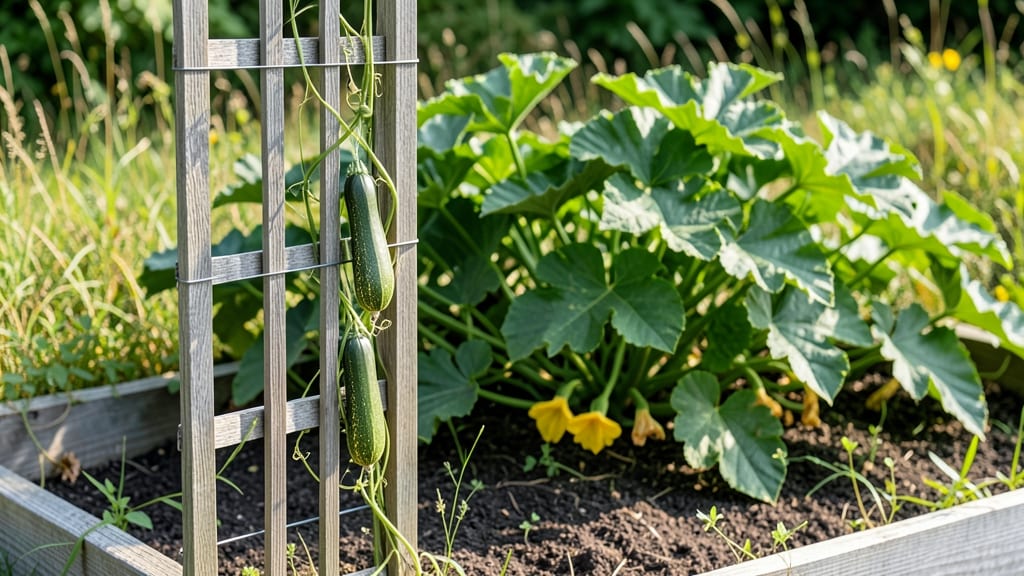
Building a vertical squash trellis transformed my small urban garden from a squash-free zone to a 10-foot-tall harvest tower. 🌱 The right trellis turns sprawling vines into elegant vertical displays while freeing up ground space for other crops—something every gardener with limited room needs to see.
Start with sturdy materials like 4x4 posts or heavy-duty wire cages, then weave in 3-inch mesh or sturdy twine for vine support. My favorite design uses a simple A-frame with cross-bracing, which handles even the heaviest zucchini loads without wobbling.
The key is spacing: 12-18 inches between vertical supports keeps everything stable. You'll end up with squash vines climbing gracefully toward the sky, their leaves filtering sunlight just right for what grows below. The trellis also makes harvesting easier—no more bending over—and keeps fruits cleaner and less prone to rot.
Plus, the vertical display adds serious visual interest to any garden. Works for bushless varieties like 'Senator' or 'Straightneck' squash, and scales from balcony gardens to full backyards. Here's how to build one that lasts all season without taking over your space.
📚 In This Guide
- What you need
- Instructions
- Tips and common mistakes
- Wrapping up and next steps
What you need
- ● Trellis Structure: 1–2 T-posts (5–6 ft tall, ½" diameter) or sturdy wooden stakes
- ○ 1–2 PVC pipes (4–6 ft long, 2" diameter) or metal conduit (optional for durability)
- ● 1–2 Horizontal crossbars (2x4 lumber or metal rods, 4–6 ft long)
- ● Fasteners: 4–6 Heavy-duty zip ties (for securing PVC/metal) or galvanized screws/nails
- ● 1 roll twine or jute twine (for guiding vines, ~50 ft)
- ● Tools: Hammer or drill (for driving stakes/screws)
- ● Measuring tape
- ● Scissors or wire cutters (for trimming twine)
- ● 1–2 Garden netting (for extra vine support, 10–20 ft roll)
- ● Pruning shears (for trimming excess vines)
- ● Post caps or paint (to protect wood from weather)
- ● Plant ties or soft cloth strips (gentler on squash stems)
How to build a vertical squash trellis for Compact growth
Here's my go-to method for creating sturdy, space-saving support that keeps squash vines climbing instead of sprawling.
🪴 Step 1: Choose Your Trellis Materials and Location
For a 4-plant setup, gather 4 sturdy bamboo stakes (5-6 feet tall) and 100 feet of heavy-duty twine or garden netting. I like bamboo because it's lightweight but strong enough to support 10-15 pound squash without bending. Place your trellis in full sun (6+ hours daily)—squash vines need strong light to produce heavy fruit.
Drive the bamboo stakes 12 inches deep into the soil at each corner of your planting area, spacing them 3-4 feet apart. This creates a square frame. If you're working with a single plant, use 2 stakes placed 3 feet apart. The deeper the stakes, the more stable your trellis will be—especially when those first big zucchinis appear.
🌱 Step 2: Weave or Attach the Vertical Support
For a simple twine trellis, tie the twine horizontally between stakes at 12-inch intervals, creating a ladder-like structure. Start at the bottom (6 inches from the ground) and work your way up. Keep the twine taut but not overly tight—you want enough give for vines to wrap around easily. I use figure-eight knots at each intersection for extra durability.
For a quicker option, use garden netting instead of twine. Stretch it vertically between stakes, securing it at the top and bottom with zip ties or soft cloth strips (to avoid damaging the vines). The netting creates natural handholds for the vines to climb, and it's far less fussy than twine. Either method should support 2-3 squash per plant without sagging.
☀️ Step 3: Train Young Vines and Monitor Growth
When your squash plants are 4-6 inches tall (about 3-4 weeks after transplanting), gently guide the main vine onto the trellis. Tie it loosely with twine or use soft plant ties to secure it to the first horizontal support. Don’t pull too tight—you want the vine to stretch naturally toward the light. Watch for new lateral shoots emerging from the stem; these are your climbing vines.
As the plant grows, encourage one main vine per trellis section by pinching off weaker side shoots. This ensures the plant puts energy into fewer, stronger vines that produce heavier fruit. You’ll know you’re doing it right when the vines spiral upward like a corkscrew—this is their natural climbing habit. If a vine starts to sag, add extra twine support every 18 inches up the trellis.
✂️ Step 4: Prune and Harvest for Maximum Yield
Once the vines reach the top of the trellis (5-6 feet), trim the tips to encourage bushier growth lower down. This redirects energy to fruit production instead of upward growth. Squash vines are aggressive climbers, so you’ll need to tie new growth to the trellis every 1-2 weeks as they outgrow their supports.
Harvest squash when they’re firm and fully colored—usually 7-10 days after flowering. Check the trellis every 2-3 days during peak production (late summer). Overripe squash weigh down the vines, so remove them promptly. A well-supported trellis can hold 10-12 squash per plant without toppling, freeing up garden space for other crops.
💧 Step 5: Reinforce and Winterize (Optional)
If your squash plants are heavy producers, add extra stakes mid-season for support. Drive them 6 inches from the main trellis and weave in additional twine to create a second layer of support. This is especially helpful if you’re growing large varieties like Hubbard or Delicata, which can get 15+ pounds each.
At the end of the season, cut the vines at the base and remove the trellis. Store the bamboo stakes and twine for next year—just give them a quick rinse to remove any soil or debris. If you’re in a warm climate, you can leave the trellis up year-round, but in colder areas, disassemble and store it to prevent rot. Reusing materials saves money and reduces waste.
Tips & tricks for building a sturdy vertical squash trellis
These simple strategies will help you create a trellis that lasts the entire growing season without wobbling or collapsing.
Material Selection: Don't skimp on the bamboo stakes—thinner, cheaper stakes will bend under the weight of mature squash. Look for stakes that are at least 2 inches in diameter at the base. For extra stability, especially in windy areas, I like to use 3 stakes per corner instead of just 2, creating a triangular base that distributes weight better. This is particularly helpful if you're growing heavy varieties like butternut squash.
Knot Technique: When creating your ladder-style trellis with twine, use figure-eight knots at each intersection rather than simple overhand knots. These knots distribute tension more evenly and are less likely to slip or come undone as the vines grow heavier. I've had trellises collapse mid-season because the knots failed—don't make my mistake! For garden netting, use soft cloth strips instead of zip ties to secure the netting to stakes, as zip ties can cut into the vines as they grow.
Vine Training: In Step 3, when you're training young vines, use soft plant ties or even strips of old t-shirts instead of regular twine. Regular twine can cut into the tender vines as they grow thicker. The key is to tie the vine loosely enough that it can still grow toward the light. I like to make a gentle loop around the vine and the trellis support, leaving just enough room to slide two fingers between the vine and the tie. This prevents constriction while still guiding growth.
Seasonal Reinforcement: If you're growing large squash varieties, add your extra stakes mid-season as mentioned in Step 5. I recommend doing this when your plants are about halfway up the trellis (around 2-3 feet high). This creates a stronger structure before the weight becomes an issue. For particularly heavy squash like pumpkins, you might even want to consider adding a third layer of horizontal supports at the 3-foot mark to create a more robust framework.
Pro Tips for Vertical Squash Trellis
- These simple strategies will help you create a trellis that lasts the entire growing season without wobbling or collapsing.
- Material Selection: Don't skimp on the bamboo stakes—thinner, cheaper stakes will bend under the weight of mature squash.
- Knot Technique: When creating your ladder-style trellis with twine, use figure-eight knots at each intersection rather than simple overhand knots.
Frequently asked questions
Got questions about vertical squash trellises? You’re not alone!
Here are answers to the most common queries to help you grow like a pro—without the guesswork.
What’s the best time to install a vertical squash trellis?
Install your trellis early—as soon as seedlings sprout or vines appear (usually 2–4 weeks after planting). For bushless varieties like ‘Straightneck’ or ‘Early Prolific,’ wait until vines reach 6–12 inches tall. Late installation risks tangled vines or broken stems. Pro tip: Use lightweight materials (like bamboo stakes) to avoid crushing young plants!
Can I reuse a trellis from last year?
Clean and disinfect with a 10% bleach solution (1 part bleach to 9 parts water) to kill pests/diseases. Remove old vines and debris, then store in a dry place. Warning: Avoid reusing trellises if last year’s plants had powdery mildew or squash bugs—these can linger in crevices.
What’s a good alternative if I don’t have a trellis?
No trellis? No problem! Try these space-saving hacks:
- Cattle panels: Bend a 4-foot section into a teepee for bushless squash (like ‘Jackblock’).
- Tomato cages: Repurpose large cages (6+ feet tall) for vining types.
- String + stakes: Hammer 5-foot stakes 2 feet apart, then crisscross with twine.
- Fencing or netting: Hang a mesh panel vertically for a “wall” of squash.
Bonus: Train vines upward with soft ties (old T-shirts work great!).
Why are my squash vines falling off the trellis?
Common culprits:
- Overcrowding: Prune excess vines to 1–2 main stems per plant.
- Weak support: Use a sturdy trellis (like powder-coated metal or thick wooden slats) for heavy varieties (e.g., ‘Delicata’).
- Pests: Squash bugs or cucumber beetles chew vines—handpick pests or use row covers early.
- Poor training: Gently coil vines around the trellis (don’t force them).
If vines snap easily, they may need more potassium (try banana peel tea!).
How tall should my vertical squash trellis be?
Height depends on your squash type:
Squash Type
Recommended Trellis Height
Notes
Bushless (e.g., ‘Eight Ball’)
4–5 feet
Compact growth—trellises save space but aren’t mandatory.
Vining (e.g., ‘Butternut’)
6–8 feet
Long vines need extra height; add crossbars for stability.
Pumpkins (small varieties)
5–6 feet
Use a wide trellis (like a ladder) to support heavy fruit.
Pro tip: Add a second trellis 3 feet away for sprawlers like ‘Spaghetti’ squash!
Wrapping up and next steps
Transforming your garden with a vertical squash trellis isn’t just about saving space—it’s about unlocking healthier, happier plants and a more organized growing area. 🌱 Whether you’re a seasoned gardener or just starting out, this simple setup can make a world of difference for your bushless squash varieties.
Ready to elevate your harvest? Start by sketching your trellis design today—grab those materials and let your squash climb to new heights!