
Picking
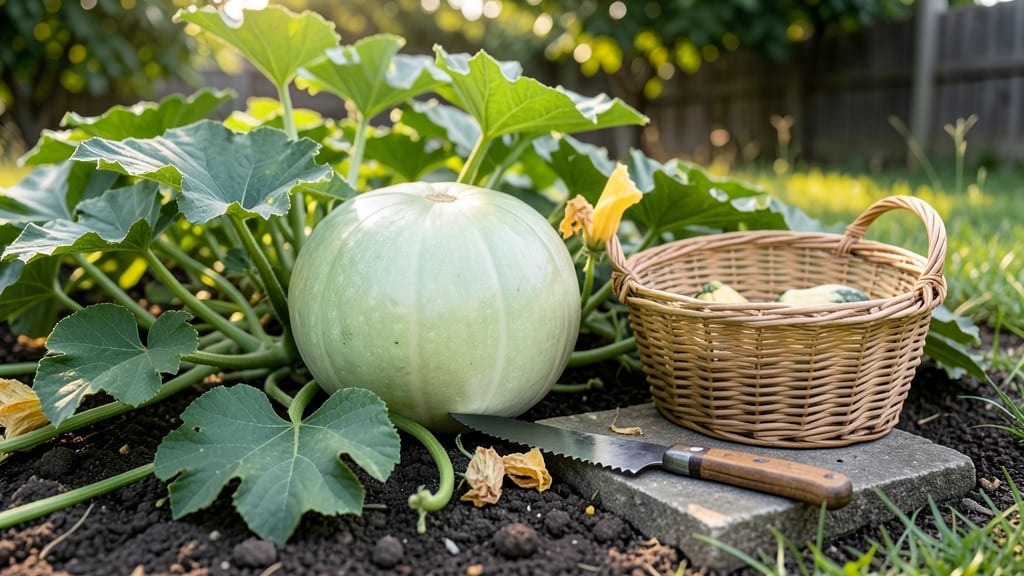
Growing UFO-shaped squash turns your garden into a living art gallery. 🌿 These whimsical gourds aren’t just food—they’re conversation starters with their alien-like curves and glossy skins. My first harvest had neighbors stopping to admire them, and I’ve never looked back.
They thrive in partial sun, making them perfect for shady spots where other vegetables struggle. Plant them near trellises or in decorative pots to showcase their unique shape without sacrificing space. Their vines spread but stay manageable, and the fruits mature just in time for fall decor.
Imagine a sun-dappled patio where these squash hang like futuristic lanterns or a whimsical children’s garden where their odd forms spark curiosity. The best part? They’re just as delicious as they are decorative—great for roasting or carving into jack-o’-lanterns.
Works in containers, vertical gardens, or as a focal point in mixed borders. Once you grow them, you’ll never want a boring old zucchini again!
The Science Behind Warped Growth
If your squash plants are producing UFO-shaped fruits—flat, disk-like, or misshapen—don’t panic! This quirky growth is usually a response to environmental or cultural factors. Below, we break down the most common reasons and how to address them.
Squash vines sprawl aggressively, and when roots compete for nutrients, water, and space, the plant may prioritize survival over perfect fruit shape. Overcrowding forces the plant to divert energy to root expansion, leaving less for proper fruit development.
Why it happens:
- Root-bound stress: If plants are too close, roots tangle, restricting nutrient uptake. The plant compensates by producing smaller, oddly shaped fruits to conserve energy.
- Competition for sunlight: Dense foliage blocks light, weakening the plant’s ability to photosynthesize efficiently. Poor energy production leads to malformed growth.
- Water competition: Roots fighting for moisture can cause uneven hydration, leading to irregular cell expansion in the fruit.
Actionable fix:
- 🔥 Thin seedlings early: Space squash plants 3–5 feet apart (or follow variety-specific guidelines). Remove weaker seedlings to give strong plants room to thrive.
- 🌡️ Mulch heavily: Apply 2–3 inches of organic mulch (straw or grass clippings) to retain moisture and reduce root stress.
- ✨ Prune aggressively: Trim excess vines to improve airflow and light penetration, especially in dense patches.
Squash crave 6–8 hours of direct sunlight daily, but partial shade—especially uneven light—can trigger bizarre growth patterns. When fruits receive patchy sunlight, cells grow unevenly, resulting in flattened or lopsided shapes.
Why it happens:
- Shade stress: Partial shade reduces photosynthesis, causing the plant to produce smaller, oddly shaped fruits as a survival tactic.
- Light gradients: If one side of the fruit gets more sun than the other, cells on the sunlit side expand faster, creating a warped, UFO-like appearance.
- Early shade: Young fruits are most vulnerable. If seedlings experience shade during critical growth stages (first 2–3 weeks), deformities can set in permanently.
Actionable fix:
- 🔥 Site strategically: Plant squash in the sunniest spot in your garden, even if it’s partial sun. Avoid areas near tall plants or structures that cast moving shadows.
- 🍳 Use reflective surfaces: Place white garden markers or reflective mulch around plants to bounce extra light onto shaded sides.
- 👨🍳 Rotate plants: If growing in containers, rotate them weekly to ensure even light exposure on all sides.
Squash are thirsty but hate soggy roots. Too much or too little water disrupts cell division in developing fruits, leading to UFO-like deformities. Even minor fluctuations in moisture can cause irregular growth.
Why it happens:
- Drought stress: Uneven watering causes fruits to swell unevenly. Cells on hydrated sides grow faster, while dehydrated sides lag, creating flat or puckered shapes.
- Overwatering: Soggy soil suffocates roots, limiting nutrient uptake. The plant may produce small, malformed fruits to conserve energy.
- Temperature swings: Hot days followed by cool nights can cause rapid water loss, leading to uneven cell expansion.
Actionable fix:
- 💡 Deep, consistent watering: Water at the base (not the leaves) for 1–2 inches per week, adjusting for rain. Use drip irrigation for steady moisture.
- 🌡️ Mulch to lock in moisture: Organic mulch (straw or wood chips) keeps soil temperatures stable and reduces evaporation.
- 🎯 Avoid wetting foliage: Water in the morning to prevent fungal issues, which can further stress the plant.
Squash are sensitive to temperature extremes. If nights dip below 55°F (13°C) or days exceed 90°F (32°C), pollination fails, leading to deformed or seedless "UFO" fruits. Even partial pollination can cause uneven growth.
Why it happens:
- Poor pollination: Bees avoid cold or windy conditions, reducing fertilization. Unpollinated flowers drop, but some may persist as oddly shaped, seedless fruits.
- Heat stress: High temperatures (>90°F) can cause blossom drop or male sterility, leaving flowers unpollinated.
- Cold snaps: Chilly nights (<50°F/10°C) stunt pollen tube growth, preventing proper fertilization and leading to warped fruits.
Actionable fix:
- 🔥 Hand-pollinate: Use a small brush to transfer pollen from male (long-stemmed) to female (tiny fruit at base) flowers in the morning.
- 🌡️ Choose heat-tolerant varieties: Opt for squash like Butternut or Zucchini, which handle warmer climates better.
- ✨ Provide shade cloth: In extreme heat, use 30–50% shade cloth to protect plants during peak sun hours.
Most "UFO squash" issues stem from fixable growing conditions. By addressing root competition, light, water, and temperature, you’ll encourage healthier, more uniform fruits—though let’s be honest, a few whimsical UFOs add character to your harvest! 🚀
Fixing your UFO squash shape
Got a squash that looks like it’s straight out of a sci-fi movie? 🛸 No need to panic—this quirky shape is usually a sign that your plant is happy but needs a little guidance to grow more traditionally.
Below, we’ll tackle the most common causes of UFO-shaped squash and provide simple, actionable fixes to help your vines produce the plump, uniform fruits you’re craving.
Cause: When squash vines get too crowded, they compete for nutrients and sunlight, leading to malformed fruits that bulge oddly.
Fix:
- Prune aggressively 🔪: Trim back overgrown vines to improve airflow and reduce competition. Focus on removing weaker or tangled stems.
- Space them out 📏: If planting new squash, space them 3–4 feet apart (or 2–3 feet for bush varieties). Use trellises for climbing types to save space.
- Thin seedlings early 🌱: If you’re growing from seed, thin seedlings to the strongest 2–3 plants per hill to prevent future crowding.
Prevention Tip: 💡 Mulch heavily around the base to suppress weeds, which can also crowd out your squash. Use straw or grass clippings to keep the soil moist and roots healthy.
Cause: UFO-shaped squash often happens when fruits are exposed to too much direct sun on one side, causing uneven growth.
Fix:
- Rotate vines occasionally 🌀: Gently turn the plant every few days to ensure all sides get equal sunlight. This is especially helpful in partial-shade gardens.
- Provide afternoon shade 🌳: If your squash is in hotter climates, use shade cloth (30–50%) during peak afternoon sun to prevent sun scald.
- Choose the right spot 📍: Plant in a location with morning sun and afternoon shade—this balances growth without causing warping.
Prevention Tip: ✨ If your garden has fixed sun patterns (e.g., a tree casting shade at noon), position your squash so vines grow toward the shade, not away from it.
Cause: Fluctuating moisture levels cause squash to swell unevenly, leading to lopsided or UFO-like shapes.
Fix:
- Water deeply and regularly 💦: Aim for 1–2 inches of water per week, delivered at the soil level (not the leaves). Use drip irrigation or soaker hoses for precision.
- Mulch to retain moisture 🌿: A 2–3 inch layer of mulch keeps soil temps stable and reduces evaporation, preventing sudden dry spells.
- Avoid wetting leaves 🚫💧: Water at the base in the morning to prevent fungal diseases, which can stress the plant and distort fruit.
Prevention Tip: 🌡️ Use a moisture meter to check soil dampness—squash prefers consistently moist (not soggy) soil. Adjust your watering schedule based on readings.
Cause: Too much nitrogen (for leafy growth) or too little potassium (for fruit development) can lead to oddly shaped squash.
Fix:
- Fertilize mid-season 🌱: Switch to a low-nitrogen, high-phosphorus-potassium (5-10-10) fertilizer when flowers appear. This supports fruit development.
- Add compost or worm castings 🐛: Mix a handful into the soil at planting time for steady, balanced nutrients.
- Avoid over-fertilizing 🚫💥: More isn’t always better—excess fertilizer can cause rapid, uneven growth. Stick to the recommended dosage.
Prevention Tip: 💪 For organic growers, try a banana peel tea (rich in potassium) or egg shells (calcium) to boost fruit quality naturally.
Cause: Squash bugs, cucumber beetles, or aphids can damage vines, leading to stunted or deformed fruits.
Fix:
- Handpick pests early 👨🍳: Check leaves daily for eggs or adults. Drop them into soapy water.
- Use row covers 🛡️: Protect seedlings with lightweight fabric until they’re established (remove when flowers appear to allow pollination).
- Spray neem oil 🌿: Apply neem oil weekly as a preventive measure—it’s safe for plants and deters pests without harming bees.
Prevention Tip: 🎯 Plant nasturtiums or marigolds nearby as companion plants—they repel pests naturally!
Cause: Poor pollination can lead to misshapen fruits, especially in cooler or rainy weather.
Fix:
- Invite pollinators 🐝: Plant bee-friendly flowers (like borage or sunflowers) nearby. Avoid pesticides during bloom time.
- Hand-pollinate 👨🍳: If bees are scarce, gently transfer pollen with a small brush or cotton swab from male to female flowers (female flowers have tiny squash at their base).
- Choose bush varieties 🌳: Some squash (like ‘Eight Ball’ or ‘Straightneck’) are more resilient to pollination issues than vining types.
Prevention Tip: ✨ Plant squash in blocks (not rows) to increase cross-pollination opportunities.
While UFO-shaped squash might not win any beauty contests, they’re often sweeter and more flavorful than their perfectly round cousins. If all else fails, roast them whole—they’re a fun, unique addition to your table! 🍽️
For most gardeners, a few tweaks to sunlight, water, or spacing will have your squash looking (and tasting) like a pro in no time. Happy growing! 🌱
Frequently asked questions
What varieties of squash actually grow in UFO shapes?
The most famous UFO-shaped squash is the Uchiki Kuri, a Japanese heirloom with its signature flat, disk-like form. Other varieties like Eight Ball squash or Turkish Banana squash can develop similar shapes when grown in less-than-ideal conditions. For guaranteed UFO shapes, look for decorative gourds like UFO gourds (Cucurbita pepo varieties) bred specifically for their whimsical appearance.
Can I grow UFO-shaped squash in containers?
Many UFO varieties thrive in 15–20 gallon containers with proper drainage. Choose bush varieties like Eight Ball or Uchiki Kuri, which have compact vines. Use a lightweight potting mix and place containers in partial sun (6+ hours of light). Just ensure the pot is stable—these squash can get heavy!
How do I know when UFO squash are ready to harvest?
Harvest when the rind turns hard and glossy, and the stem separates easily from the fruit. For Uchiki Kuri, this usually takes 80–100 days from planting. Check for a deep, rich color—most UFO varieties mature to a dark green or yellow hue. If left too long, they may develop soft spots or cracks, so harvest promptly!
Are UFO-shaped squash edible, or just decorative?
Most are 100% edible and delicious! The Uchiki Kuri has a sweet, nutty flavor perfect for roasting or stuffing. Even the UFO gourds (like decorative varieties) can be cooked—just peel and remove seeds first. Their unique shape makes them a fun conversation piece at meals!
Why do my squash turn UFO-shaped even when I follow care tips?
Even with perfect care, some squash develop UFO shapes due to genetic quirks or environmental surprises. Extreme heat waves, sudden rain, or pollination mishaps can warp growth. Embrace the whimsy—these oddities often mean your plant is extra sweet! If consistency matters, try hand-pollinating flowers or choosing bushier varieties.