
Vegetables
Struggling to tell your zucchini from your butternut? This visual guide breaks down 10 distinct squash varieties—summer, winter, and ornamental—so you can identify them instantly by shape, color, and texture.
Zucchini with Ridged Green Skin
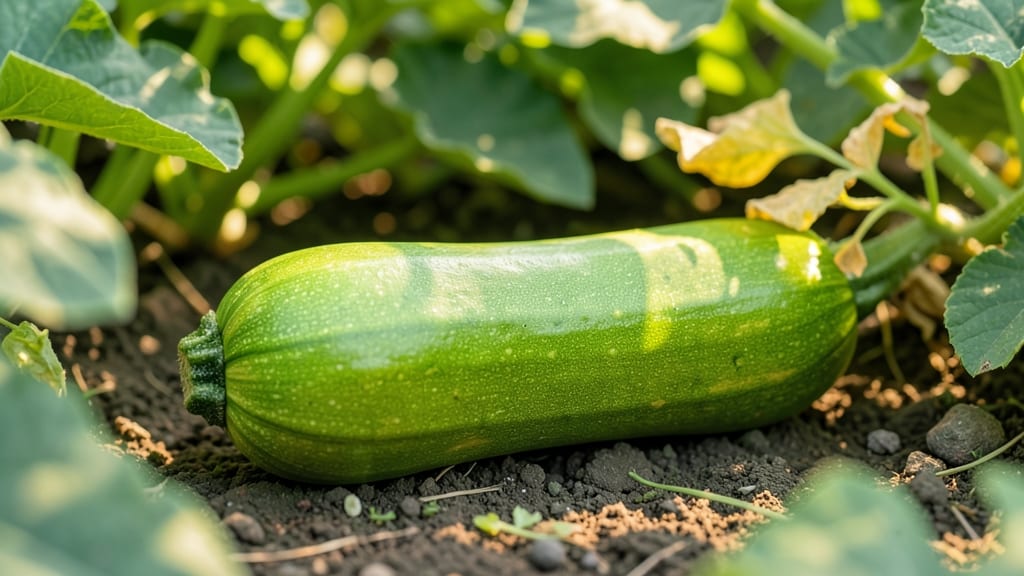
Spotting a zucchini in your garden is easy once you know what to look for—bright green skin with subtle ridges (or none at all) and a shape that tapers slightly at the blossom end. This is the summer squash that shows up unexpectedly in your garden, often by mid-summer, and grows so fast you’ll need to harvest it every few days.
Zucchini thrives in full sun (6-8 hours daily) and warm soil, making it ideal for beginner gardeners or those with short growing seasons. Pick it when 6-8 inches long for the best flavor, and don’t worry about size—you can use every part, from blossoms to seeds! Plant seeds 1 inch deep, spacing them 12-24 inches apart in rows 3 feet apart for easy maintenance.
This versatile squash is the gateway to summer gardening—fast-growing, prolific, and forgiving. Perfect for containers, raised beds, or backyard plots, it’s the one plant that even the most hesitant gardener can’t go wrong with. 🌱
Yellow Crookneck Squash Curved Neck
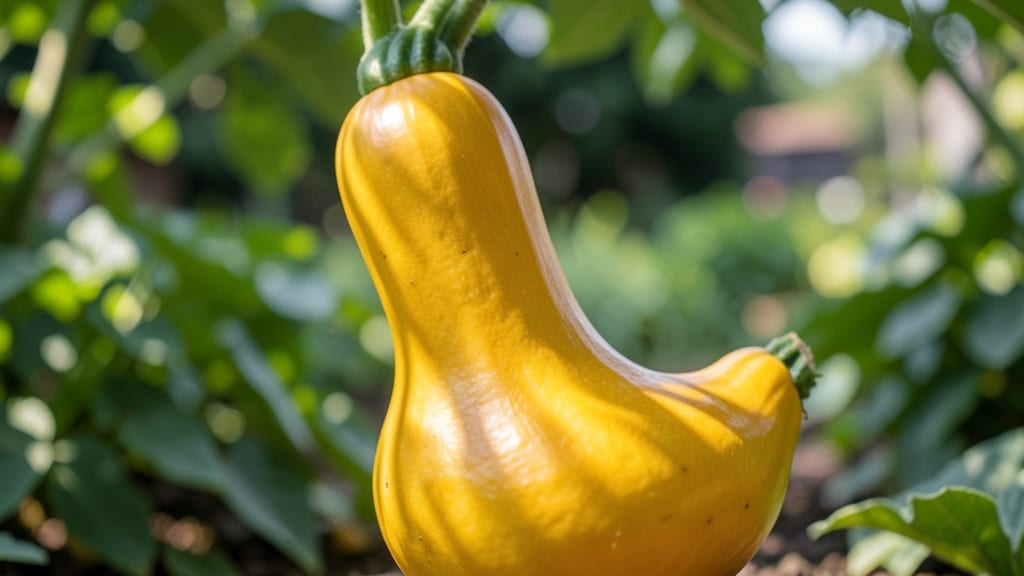
If you’re hunting for a summer squash with drama, the yellow crookneck squash delivers with its signature curved neck and golden skin. Unlike its straight-necked cousins, this variety’s distinctive shape makes it instantly recognizable—perfect for gardeners who love a little flair in their harvest.
This summer squash thrives in warm weather and matures in about 45-50 days, producing sweet, nutty flesh that chefs adore for roasting or grilling. Plant seeds in well-draining soil after the last frost, spacing them 2-3 feet apart to give vines room to sprawl. The golden skin ripens quickly, so keep an eye out for firm, glossy squash—harvest before seeds harden for the best flavor.
Ideal for home gardeners who enjoy versatile squash, this variety also makes a striking addition to fall centerpieces. Its unique shape and rich color ensure it’s a crowd-pleaser in any garden or kitchen. 🌻
Butternut Squash with Tan Warty Skin
When you spot a squash with a long, tan neck and warty, ribbed skin, you’ve found butternut squash—one of the most recognizable winter squash varieties. Its unique shape and texture make it easy to identify, whether you're browsing a farmers' market or harvesting from your own garden.
Butternut squash thrives in cool weather and requires full sun (6-8 hours daily) for optimal growth. Plant seeds after the last frost, spacing them 2-3 feet apart in well-draining soil. The vines spread widely, so give them room to sprawl or use trellises if space is limited. Once mature, its sweet, nutty flesh is perfect for soups, roasting, or baking—just cut off the stem, halve it, and scoop out the seeds before cooking.
This variety is a beginner-friendly choice for gardeners who want a reliable, long-storing squash. Its hardy nature and delicious flavor make it a staple in fall gardens, especially in regions with shorter growing seasons. 🌱
Acorn Squash with Ribbed Orange Shell
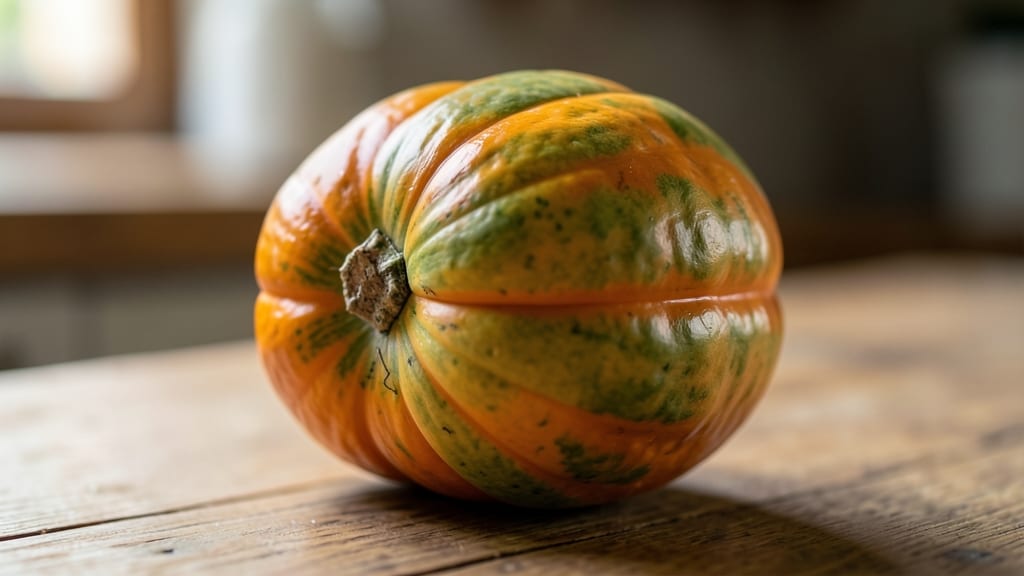
If you're looking for a winter squash that’s as beautiful as it is delicious, the acorn squash delivers with its distinctive acorn-like shape and deep orange ribs. Unlike larger squash varieties, this compact gem is perfect for small gardens or container growing, making it a favorite for urban gardeners and beginners.
With a hard, ribbed shell that protects its sweet, nutty flesh, acorn squash stores well for months in a cool, dry place. Its small size (4-6 inches long) and minimal prep—just halve, roast, and serve—make it ideal for quick meals. The deep orange ribs add a striking visual element to any table, while its versatile flavor works in both sweet and savory dishes.
This squash thrives in full sun (6+ hours daily) and well-drained soil, maturing in 85-100 days. Whether you're roasting halves for a cozy dinner or adding it to soups, acorn squash is a low-maintenance, high-reward choice for gardeners who love both beauty and flavor. 🌱
Spaghetti Squash with Pale Green Skin
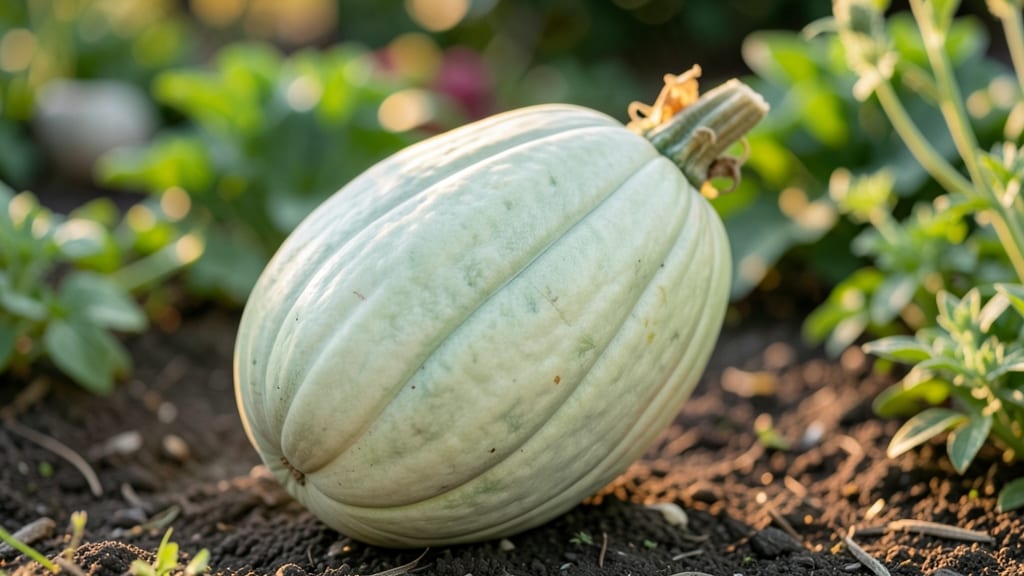
If you're searching for a squash that turns into edible "noodles" when cooked, look no further than spaghetti squash—its pale green, ribbed skin and oval shape make it instantly recognizable. This winter squash thrives in warm climates and needs about 90-100 days to mature, so start seeds indoors 4-6 weeks before your last frost.
The real magic happens inside: when roasted, its flesh separates into delicate strands resembling spaghetti, earning its name. Unlike traditional pasta, it’s naturally low-carb, making it a favorite for health-conscious gardeners. Plant seeds 1 inch deep in well-drained soil, spacing them 3-4 feet apart to give vines room to sprawl.
This versatile squash is perfect for gardeners who love dual-purpose plants—use it for meals and as a striking centerpiece when whole. 🌱
Delicata Squash with Striped Skin
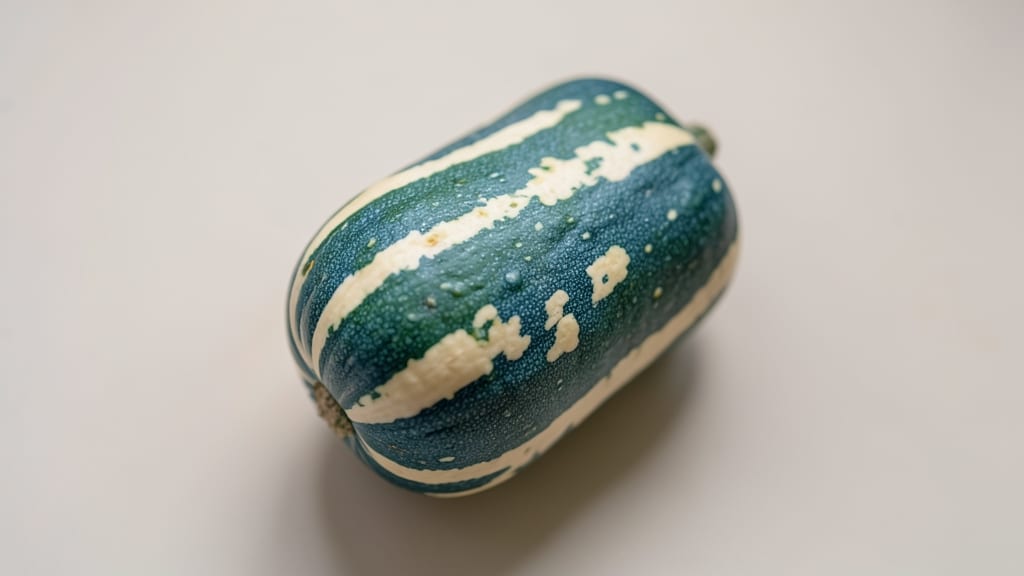
Looking for a squash that’s as beautiful as it is delicious? Delicata squash steals the show with its striking blue-green and cream stripes—like nature’s own candy cane. Unlike most winter squash, its skin is completely edible, saving you time and effort during meal prep.
This compact, cylindrical squash matures in just 85-100 days and thrives in full sun with well-draining soil. Its sweet, nutty flavor shines when roasted, steamed, or even eaten raw in salads. The skin peels away effortlessly with a spoon, making it a favorite for busy gardeners and home cooks alike.
Perfect for small gardens or containers, Delicata delivers high yields with minimal space. Busy families and urban gardeners will love its quick harvest and versatility—ideal for weeknight dinners. 🌟
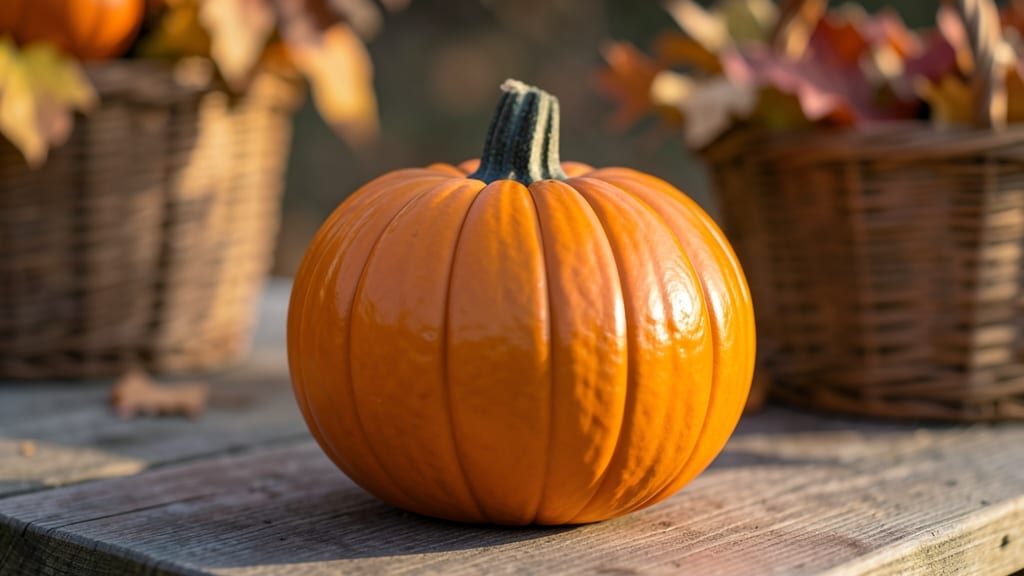
Pumpkin with Rough Orange Exterior
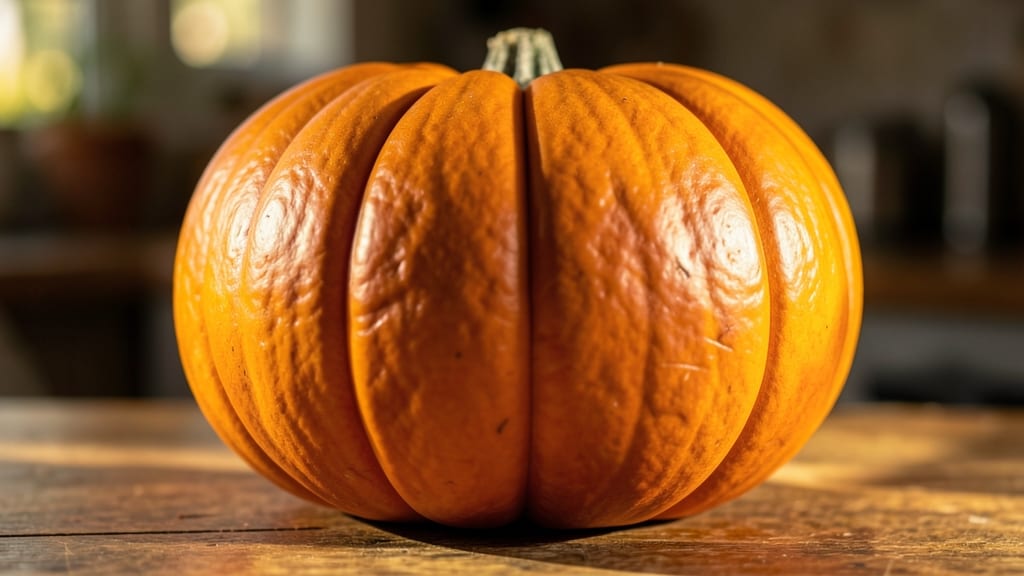
There’s no mistaking the pumpkin with rough orange exterior—it’s the quintessential winter squash that dominates fall harvests and holiday traditions. With its thick, ribbed skin and classic rounded shape, this variety is the go-to for carving jack-o'-lanterns, baking pies, or roasting for hearty meals.
Look for deep orange skin and a smooth, slightly bumpy texture when identifying this squash. Mature pumpkins can weigh anywhere from 10 to 30 pounds, and their hard rind makes them perfect for long-term storage (up to 3 months in a cool, dry place). For gardeners, plant seeds in late spring after the last frost, giving them 90-120 days to reach full size.
This squash isn’t just for show—its sweet, dense flesh is ideal for both savory and sweet dishes. Whether you're a beginner or a seasoned gardener, growing pumpkins adds a festive touch to your harvest and your table. 🌟
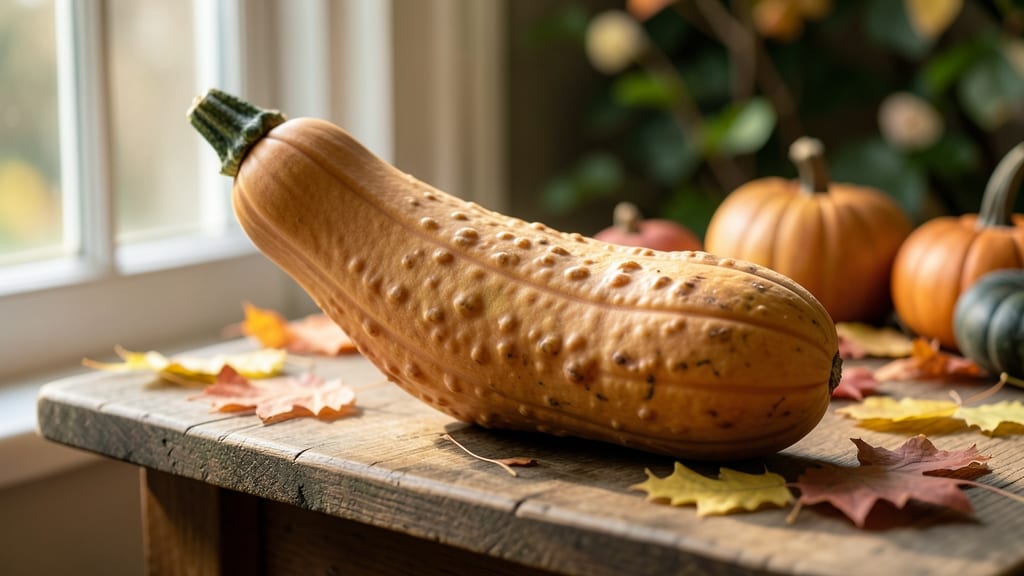
Cushaw Squash with Bumpy Tan Skin
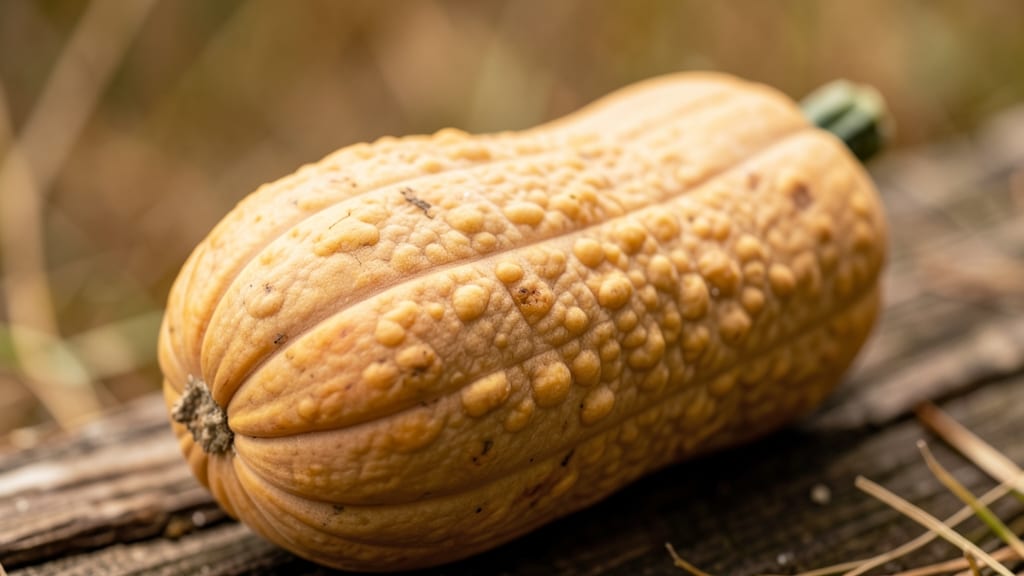
If you’ve ever spotted a squash with bumpy tan skin and wondered what makes it special, meet the cushaw squash—a Southern heirloom with a flavor profile unlike any other. This winter squash stands out with its oblong shape and rough, textured exterior, hiding flesh so sweet and custard-like it’s a favorite for pies, candies, and even savory dishes.
Cushaws thrive in warm climates and need full sun (6-8 hours daily) and well-draining soil to develop their signature sweetness. Unlike smoother-skinned squash, cushaws store well for months in cool, dry conditions, making them a gardener’s dream for late-season harvests. Their disease-resistant nature also means fewer pests to contend with once established.
Perfect for gardeners in the Southeast or those who love unique flavors, cushaws add a touch of nostalgia to your garden—and your table. 🌟
Cucurbita Pepo Ornamental Gourds
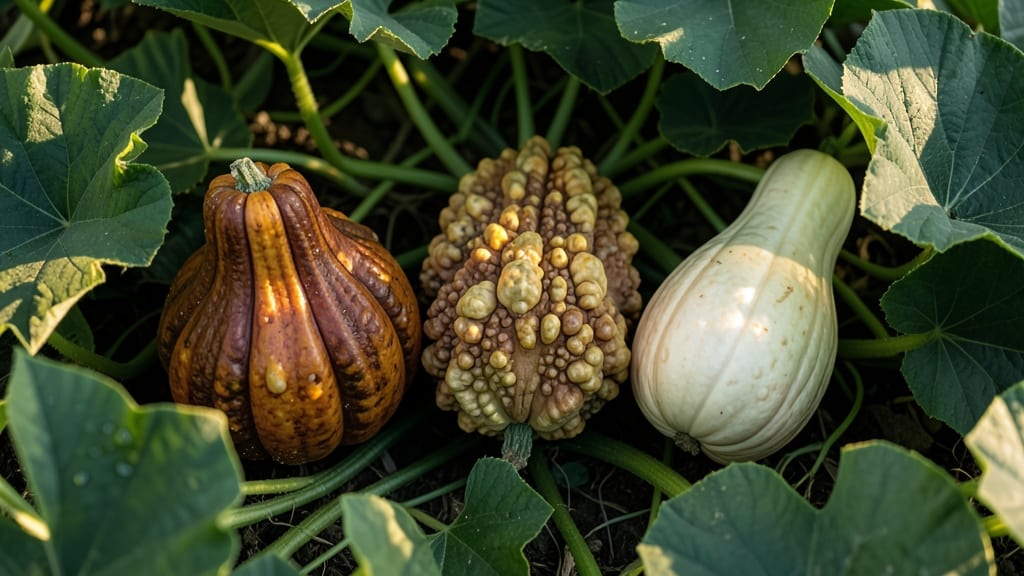
Skip the kitchen and embrace the artistry of Cucurbita pepo ornamental gourds—these aren’t for eating, they’re for showing off! Varieties like Turk’s Turban and Warty Thing boast bold colors, intricate textures, and shapes that range from teardrop to bulbous, making them garden superstars.
Plant them in full sun for vibrant fall displays, and watch their skin harden into durable, long-lasting decorations. These gourds thrive in well-drained soil and need minimal care—just consistent watering until they mature. Their non-edible nature means you can experiment with colors and shapes without worrying about harvest timing.
Perfect for beginners or urban gardeners with limited space, these gourds add seasonal charm to containers or garden beds. Arrange them in centerpieces or let them dry for winter decor—your garden’s (and your table’s) star will be undeniably unique. 🌻
Patridge Pumpkin with Deep Ribs

If you're looking for a pie-sized pumpkin that packs big flavor without the bulk, the Patridge pumpkin is your perfect match. This compact winter squash features deep orange skin with pronounced ribs, making it easy to spot in your harvest pile—no giant pumpkin patch required.
Unlike its larger pumpkin cousins, this smaller variety (typically 3-6 pounds) stores well for months and delivers sweet, dense flesh ideal for baking. Its compact size also makes it a great choice for smaller gardens or containers, while the distinct ribbing sets it apart from smooth-skinned squash. Perfect for beginners or gardeners with limited space, it’s a versatile harvest that brings both beauty and flavor to your table. 🌟