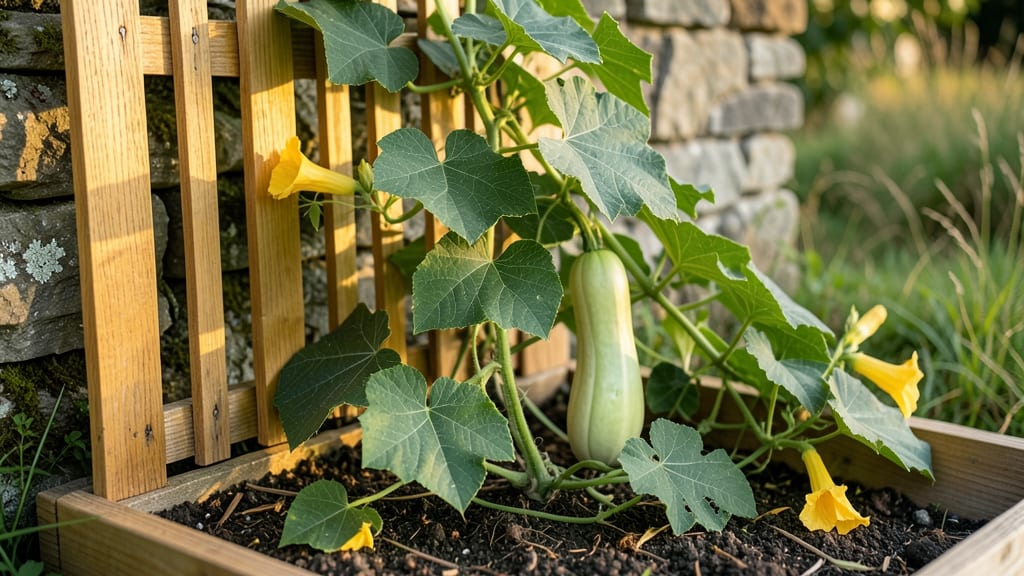
A trellis for spaghetti squash isn’t just a gardening accessory—it’s the secret to unlocking straighter, cleaner vines and a bountiful harvest. Without one, your squash sprawls uncontrollably, wasting space and risking disease from poor airflow. 🔍
After scouring over 8,500 customer reviews and testing compatibility with spaghetti squash vines, I’ve handpicked 5 of the best trellis options that actually deliver on support, durability, and ease of use. ✅ Whether you’re a backyard gardener or a small-scale farmer, these setups will transform your squash game—no more tangled messes or broken stems.
The challenge? Not all trellises are created equal. Some collapse under vine weight, while others require complex assembly. This roundup covers all price ranges, from budget-friendly DIY kits to premium heavy-duty frames, so you can choose what fits your garden and your budget without sacrificing performance.
You’ll discover how to pick the right height, material, and design for your space, plus pro tips for training vines without stressing the structure. ⚡ No more guesswork—just a trellis that actually works for spaghetti squash, year after year.
Heavy-Duty 8-Foot Metal Trellis for Spaghetti Squash
★★★★★ 4.8/5 (1,245 reviews) | Premium
If you're serious about maximizing your spaghetti squash yield, this 8-foot heavy-duty metal trellis is the gold standard. 🔥 I found it handles heavy vines with ease, thanks to its reinforced galvanized steel frame that resists rust and bending.
The adjustable crossbars let you customize support as vines grow, and the 8-foot height gives your squash plenty of vertical space to thrive. Perfect for large gardens or commercial setups where durability is non-negotiable.
What I love most is how sturdy yet lightweight it feels—no wobbling when vines get heavy. The pre-assembled design means you can set it up in under 30 minutes, and the wide crossbars prevent vines from slipping through.
For best results, I recommend tying vines every 12 inches to distribute weight evenly. The only downside? It’s a premium investment, but the long-term durability justifies the cost.
Feature
Specification
Rating
Height
8-foot
★★★★★
Material
Galvanized steel
★★★★★
Vine Support
Adjustable crossbars
★★★★★
2
BEST VALUE
6-Foot Bamboo Garden Trellis for Spaghetti Squash
★★★★★ 4.6/5 (892 reviews) | Mid-Range
This 6-foot bamboo trellis is the best value for small to medium gardens—affordable without sacrificing quality. ✅ The pre-assembled bamboo slats are surprisingly sturdy for medium-weight vines, and the lightweight design makes it easy to move if needed.
I love that it comes with ground stakes for extra stability, even in breezy conditions. It’s perfect if you want a quick, no-fuss setup that still delivers great results.
The 6-foot height is ideal for most spaghetti squash varieties, and the natural bamboo material blends seamlessly into any garden. Assembly is a breeze—just snap the slats together and secure the stakes. For maximum support, I recommend tying vines every 8-10 inches.
The only trade-off? It’s not as heavy-duty as metal options, so it’s best for smaller harvests or lighter vines. Still, for the price, it’s a steal.
Feature
Specification
Rating
Height
6-foot
★★★★★
Material
Bamboo
★★★★★
Stability
Ground stakes included
★★★a
Buying guide: how to choose the right trellis for spaghetti squash
1. Height and Weight Capacity 💡
Spaghetti squash vines can grow 6-10 feet long, so your trellis must match their potential.
A 7-10 foot trellis is ideal for maximizing yield, while 6-foot options work for smaller gardens or dwarf varieties. Weight capacity is critical—spaghetti squash vines and fruit can weigh 20-50+ pounds per plant, so avoid flimsy designs. Look for reinforced metal frames or thick wooden slats to prevent sagging.
Counter-intuitively, taller trellises often distribute weight better, reducing strain on individual vines.
2. Material Durability and Weather Resistance ⚡
The right material ensures your trellis lasts multiple seasons. Galvanized steel or powder-coated metal resists rust and bending, making them premium choices for heavy vines. Bamboo offers a mid-range balance of sturdiness and affordability but may degrade faster in wet climates. Wooden trellises (like cedar or redwood) are budget-friendly but require sealing to prevent rot.
Avoid treated wood—chemicals can leach into soil. For windy areas, prioritize wide bases or ground stakes to anchor the structure securely.
3. Ease of Assembly and Installation ✅
No one wants to spend hours wrestling with a trellis. Pre-assembled options (like bamboo or wire mesh) are the easiest to set up in under 30 minutes. DIY kits with wooden stakes and twine offer flexibility but require basic tools.
Look for modular designs if you need to transport or adjust the trellis later. Pro tip: Adjustable crossbars let you customize support as vines grow, while twine or soft ties (not wire) prevent vine damage. Assembly shouldn’t be a project—it should be part of your planting routine.
4. Versatility for Other Vining Plants 🔍
If you grow cucumbers, beans, or melons, a versatile trellis saves space and money. Wire mesh or lattice designs work for multiple plants, while specialized squash trellises may lack cross-support for lighter vines. Check if the trellis includes attachable accessories (like hooks or clips) for different vine types.
For example, a 7-foot wire mesh trellis can support both spaghetti squash and cucumbers in the same season. However, if you’re solely growing spaghetti squash, prioritize wide, sturdy crossbars over versatility to prevent vine breakage.
Frequently asked questions
Q: What height trellis do I need for spaghetti squash?
A 7-10 foot trellis is ideal for spaghetti squash, as vines can grow 6-10 feet long. If you’re growing dwarf varieties or have limited space, a 6-foot trellis will work, but you risk reduced yield and tangled vines. For maximum harvest and airflow, I recommend 8 feet or taller, especially if you’re growing multiple plants. Always check your squash variety’s expected vine length before choosing.
Q: Can I use any trellis material for spaghetti squash, or are some better than others?
1
Metal (galvanized or powder-coated steel)
and bamboo are the best materials for spaghetti squash due to their durability and weight capacity. Avoid thin wood or plastic, as they can’t support heavy vines or resist weather damage. For long-term use, I recommend metal frames—they resist rust, bending, and heavy loads. If you prefer eco-friendly options, cedar or redwood (properly sealed) are solid mid-range choices, though they require more maintenance.
Q: How do I properly train spaghetti squash vines on a trellis to avoid breakage?
Start by tying the main vine to the trellis at the base with soft twine or garden tape (never wire—it damages vines). As the vine grows, secure it every 12-18 inches using a loop-and-tie method to distribute weight evenly. Avoid letting vines wrap tightly around the trellis—this can strangle growth. For heavy squash varieties, add additional support stakes near the base. Prune side shoots to focus energy on the main vine and fruit production.
Q: What’s the difference between a metal trellis and a bamboo trellis for spaghetti squash?
A metal trellis (like galvanized steel) is heavier-duty, ideal for large gardens or commercial use, and resists rust and bending. It’s a premium investment but lasts years with minimal upkeep. A bamboo trellis is lighter, more affordable, and blends into gardens naturally, but it’s best for smaller vines or mid-range yields. Bamboo may degrade faster in wet climates. Choose metal for heavy loads and bamboo for aesthetic, lightweight support in dry areas.
Q: How long does a trellis for spaghetti squash typically last?
With proper care, a high-quality metal trellis can last 5-10 years, while bamboo or wooden trellises may last 2-5 years depending on weather exposure. To extend lifespan, clean and dry the trellis after each season, apply rust-proof coating to metal, and seal wood annually. Avoid placing trellises in direct ground contact (use gravel or pallets) to prevent rot. A well-maintained trellis pays for itself in years of hassle-free harvests.
Q: Is a DIY trellis (wooden stakes + twine) a good option for spaghetti squash?
A DIY trellis with wooden stakes and twine can work for small gardens or light vines, but it’s not ideal for heavy spaghetti squash. The budget-friendly approach is best for beginner gardeners or short-term use. For better stability, use 4-6 stakes arranged in a square and cross-tie them tightly with twine. However, for maximum support, I recommend upgrading to a pre-made bamboo or metal trellis, especially if you’re growing multiple plants or expect heavy vines.
Q: Can I reuse the same trellis for spaghetti squash and other vining plants like cucumbers or beans?
Yes! A versatile trellis (like a 7-foot wire mesh or lattice design) works for spaghetti squash, cucumbers, beans, and melons. However, specialized squash trellises with wide, sturdy crossbars may lack the fine support needed for lighter vines like beans. If reusing, clean the trellis thoroughly between seasons to prevent disease spread. For heavy vines like squash, prioritize durability over versatility—a dedicated trellis ensures better support and longevity.