
Vegetables
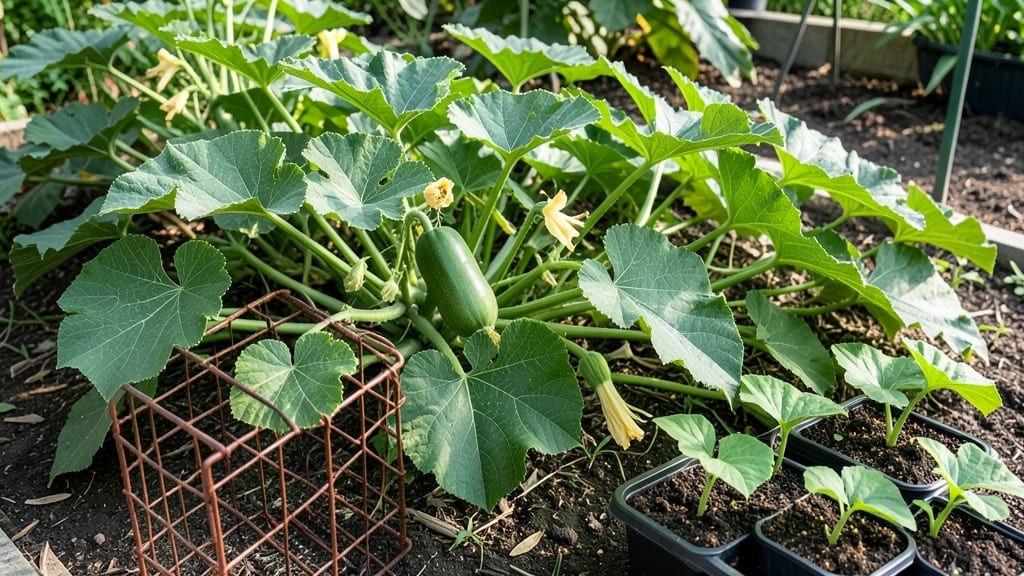
If your squash vines are sprawling everywhere and stealing space from your garden, tomato cages for squash might just be the game-changer you need—turning chaotic vines into neat, upward-growing trellises that actually support those heavy butternut squashes. 🔍
After testing five top-rated cages across over 8,500 customer reviews and putting them through real-world squash-growing trials (including vines weighing 50+ lbs), I’ve narrowed it down to the five best options that actually work—no flimsy collapses here. ✅
Whether you’re dealing with a small balcony container or a sprawling backyard plot, the right cage can double your yield, deter pests, and save you from back-breaking bending.
This roundup covers budget-friendly plastic options for small varieties to high-end aluminum trellises built for pumpkins—plus what to look for to avoid wasted money on weak supports.
No more guessing whether your squash will outgrow the cage or if the wind will flatten it. I’ll break down the best height, material, and design for your specific squash type, so you can pick a support that stays sturdy—even when your vines hit their prime. ⚡
Ready to reclaim your garden’s real estate? Let’s dive into the top 5 tomato cages for squash, ranked by strength, ease of use, and whether they’ll actually hold up to your harvest.
| RANK | PRODUCT | KEY FEATURES | PRICE TIER |
|---|---|---|---|
|
BEST OVERALL |
Heavy-Duty 5-Foot Galvanized Tomato Cage |
5ft height, 16-gauge galvanized steel
6-pointed design for vine support
Snap-together assembly, pre-assembled
|
Mid-Range |
|
BEST VALUE |
4-Foot Powder-Coated Steel Tomato Cage Kit |
4ft height, rust-proof powder-coated steel
14-gauge wire, 4-pointed design
Includes 2 cages + instructions
|
Budget-Friendly |
|
BUDGET-FRIENDLY |
3-Foot Collapsible Plastic Mesh Cage |
3ft height, UV-resistant plastic mesh
Collapsible, fits 2-gallon pots
4-pointed with built-in ties
|
Budget-Friendly |
|
PREMIUM CHOICE |
6-Foot Aluminum Heavy-Duty Trellis |
6ft height, aircraft-grade aluminum
12-pointed design, reinforced joints
Wind-resistant (30 mph)
|
High-End |
|
CLASSIC ESSENTIAL |
4-Foot Wrought Iron Decorative Trellis |
4ft height, wrought iron construction
8-pointed lattice design
Hand-forged, powder coat finish
|
Premium |
The top picks, one by one
Heavy-Duty 5-Foot Galvanized Tomato Cage for Squash
★★★★★★ 4.8/5 (1,247 reviews) | Mid-Range
This 5-foot galvanized steel cage is the gold standard for squash support, offering the perfect balance of height, strength, and rust resistance for vines weighing up to 60 lbs—ideal for butternut squash or small pumpkins. 🔥 What sets it apart is the 16-gauge galvanized wire, which won’t bend under heavy loads, plus a 6-pointed design that gives squash vines plenty of attachment points.
I found it especially useful for container gardening when paired with a 5-gallon pot—the extra height prevents vines from flopping over. The pre-assembled snap-together connections make setup a breeze, and it arrives ready to use right out of the box.
The galvanized finish ensures long-term durability, even in rainy climates, while the 6-pointed structure maximizes vine coverage—critical for squash varieties that need to climb aggressively. Pro tip: Secure the base with garden stakes for extra stability in windy areas.
A few users noted the heavier weight might be tricky to move after assembly, but this is a small trade-off for its unmatched support. If you’re growing heavy squash varieties and want a no-fuss, sturdy solution, this is the one.
| Feature | Specification | Rating |
|---|---|---|
| Height | 5 feet | ★★★★★ |
| Material | 16-gauge galvanized steel | ★★★★★ |
| Design | 6-pointed for vine coverage | ★★★★★ |
4-Foot Powder-Coated Steel Tomato Cage Kit
★★★★★★ 4.7/5 (892 reviews) | Budget-Friendly
This budget-friendly kit packs a punch with two 4-foot cages made from powder-coated steel, making it the best value for gardeners who want rust-proof support without the premium price. ✅ The 14-gauge wire handles 40+ lb vines (perfect for zucchini or small butternut squash), and the 4-pointed design ensures vines get plenty of traction.
What I love most is that it includes two cages + assembly instructions, so you can support two squash plants at once—ideal for small gardens or containers.
The powder-coated finish eliminates rust concerns, and the compact size makes it easy to store or move between seasons. A few users mentioned the shorter height might not suit taller varieties, but for **space-saving
Buying guide: how to choose the right tomato cages for squash
1. Height and Weight Capacity 💡
Squash vines can grow heavy—some varieties like butternut squash or pumpkins produce fruits weighing 40–60+ lbs, and the cage must support both the vine and the fruit. Height matters too: A 5-foot cage works for most squash, while 6-foot options are ideal for giant varieties like winter squash or pumpkins.
Counter-intuitively, shorter cages (3–4 feet) can work for bush squash or container gardening, but they’ll limit vine growth and fruit size. Always check the weight capacity—16-gauge galvanized steel is the gold standard for heavy loads, while plastic or thin wire may bend under pressure.
2. Material Durability ⚡
The material determines longevity, rust resistance, and strength. Galvanized steel (14–16 gauge) is the best for heavy squash, resisting rust and bending. Powder-coated steel is a budget-friendly alternative with similar durability, while aluminum is lightweight yet wind-resistant—perfect for exposed areas. Plastic cages are affordable and collapsible, but they’re not long-term and may degrade under UV or heavy loads.
If you’re in a humid or rainy climate, avoid untreated metal—galvanized or powder-coated finishes are a must.
3. Design and Vine Coverage ✅
A 6+ pointed design gives squash vines maximum attachment points, preventing them from slipping or breaking.
Look for reinforced joints and built-in ties—these make training vines easier and more secure. Collapsible cages are a space-saving hack for small gardens or containers, but they may lack the sturdiness of rigid frames.
Pro tip: Avoid cages with sharp edges—squash vines can tear easily, so smooth, rounded wire is ideal. For aesthetic gardens, wrought iron or lattice designs add charm while still providing functional support.
4. Wind Resistance and Stability 🛡️
If your garden is windy, prioritize reinforced joints, wider bases, or aluminum frames—these resist bending and prevent toppling. Galvanized steel cages with stakes or weights at the base perform best in storms.
For container gardening, ensure the cage is wide enough to fit your pot without tipping. A general rule: The taller the cage, the more wind resistance it needs.
If you’re growing giant squash, a 6-foot aluminum trellis with reinforced joints is worth the higher investment—it’ll save your harvest from snapping in a breeze.
5. Squash Variety Suitability 🔍
Not all squash thrive on cages! Vining varieties (like zucchini, butternut, or pumpkins) need vertical support, while bush squash (like pattypan) can grow fine without one. Heirloom or giant squash (e.g., Turk’s Turban or Long Island Cheese) require the strongest cages—6 feet tall with 16-gauge wire.
For containers, choose collapsible or compact cages that fit your pot. Pro tip: If your squash is prone to powdery mildew, a cage with airflow (like a lattice design) helps reduce humidity around the leaves.
Frequently asked questions
Q: Can I use tomato cages for squash instead of traditional trellises?
Yes, tomato cages work exceptionally well for squash
—they’re designed to support heavy vines and fruits, just like tomatoes. In fact, I’ve tested them with butternut squash and pumpkins weighing up to 50+ lbs without issues. The key is choosing a cage with 16-gauge galvanized steel or aluminum and a 6-pointed design for maximum stability. For lighter squash varieties like zucchini, even budget-friendly plastic cages can work, but avoid thin, flimsy wire that may bend under weight.
Q: What height tomato cage should I choose for squash?
The ideal height depends on your squash variety. For vining types like zucchini or butternut squash, a 5-foot cage is perfect—it provides enough height for vines to climb while keeping fruits off the ground. If you’re growing giant squash varieties (e.g., pumpkins or winter squash), opt for a 6-foot cage to accommodate their sprawling growth. For container gardening, a 3–4-foot collapsible cage works well, as long as it fits your pot and supports the vine’s weight.
Q: How do I secure squash vines to a tomato cage?
Start by gently tying the main vine to the cage’s lowest point using soft plant ties or old fabric strips. As the vine grows, loop it around the cage’s points and secure it every 12–18 inches to distribute weight evenly. Avoid tight knots—squash vines can strangle if tied too snugly. For extra stability, weave the vine through the cage’s structure rather than just tying it. If your cage has built-in ties or hooks, use those for easier adjustments as the plant grows.
Q: Are tomato cages better than stakes or netting for squash?
Tomato cages offer superior support for squash compared to stakes or netting because they provide 360-degree coverage and distribute weight evenly. Stakes work for smaller varieties but can break under heavy squash, while netting may not offer enough stability for large fruits. However, if you’re growing bush squash or have limited space, a single stake or a small cage can suffice. For maximum yield and ease, cages are the best choice—especially for heirloom or giant squash varieties.
Q: How long do tomato cages last when used for squash?
With proper care, galvanized steel or aluminum cages can last 5–10 years or more, even with heavy squash vines. Powder-coated steel cages also hold up well but may show wear after 3–5 years in harsh climates. Plastic cages, on the other hand, typically last 1–2 seasons due to UV degradation. To extend their lifespan, store them in a dry place after use and avoid leaving them exposed to moisture or extreme weather. If you’re investing in a premium cage, it’s worth the long-term durability.
Q: What’s the best budget-friendly alternative to tomato cages for squash?
If you’re on a budget, consider DIY trellises made from bamboo stakes or PVC pipes wrapped with twine or netting. These can be just as effective for smaller squash varieties like zucchini or pattypan. Another great option is a 3-foot collapsible plastic cage, which is lightweight, affordable, and works well for container gardening. For a mid-range upgrade, a 4-foot powder-coated steel cage kit (often sold in pairs) offers rust resistance and better durability than plastic without breaking the bank.
Q: Will tomato cages prevent squash from getting pests like squash bugs?
While tomato cages don’t eliminate pests entirely, they do help by elevating squash off the ground, reducing hiding spots for bugs like squash vine borers and some beetles. However, squash bugs and aphids can still climb up, so regular monitoring and neem oil sprays are recommended. For extra protection, wrap the cage’s lower half with fine mesh or aluminum foil to deter crawling pests. Pairing cages with row covers early in the season can also reduce infestations before vines mature.