
Picking
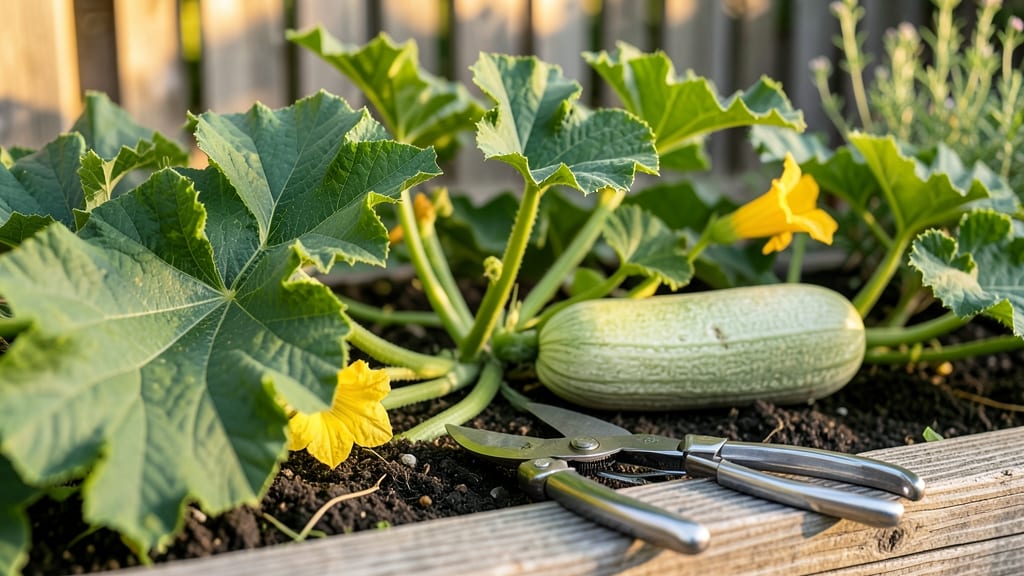
Growing Tivoli spaghetti squash changed how I think about fall harvests—this cold-hardy variety thrives when most squash give up. 🌱 The secret lies in its ability to handle cooler temperatures, meaning you can plant later or extend your season without worrying about frost.
Unlike delicate heirlooms, Tivoli keeps producing even as nights dip into the 40s, giving you fresh squash when stores switch to canned options.
You’ll need full sun (at least 6-8 hours daily) and well-draining soil with a pH between 6.0 and 7.0—think compost-rich garden beds or raised beds. Start seeds indoors 4-6 weeks before your last frost, then transplant seedlings when soil reaches 60°F.
The vines spread wide, so give them 3-4 feet of space or train them up a trellis if space is tight. Water consistently but avoid soggy soil, which invites rot.
By mid-to-late fall, you’ll harvest 3-5 pound squash with golden skin and sweet, stringy flesh perfect for pasta. The first frost actually sweetens the flavor, so don’t rush—wait until leaves yellow and stems soften.
Store in a cool, dry place for 2-3 months, or roast them immediately for that restaurant-quality texture. One plant feeds a family for weeks, and leftovers freeze beautifully.
Watch for squash vine borers and powdery mildew, but Tivoli’s hardiness means fewer issues than tender varieties. Use row covers early in the season, and mulch heavily to keep soil moist. Even in Zone 4, I’ve grown Tivoli successfully with a black plastic mulch and cold frames.
The payoff? Homegrown squash that tastes nothing like the store-bought kind—and a garden that keeps giving long after other plants have quit.
📚 In This Guide
- What you need
- Instructions
- Tips and common mistakes
- Wrapping up and next steps
What you need
- ● Tivoli spaghetti squash seeds: 3–5 seeds per plant (or 1 seed per cell if starting in trays). Look for Cucurbita ficifolia varieties labeled "Tivoli" for guaranteed cold tolerance.
- ● Well-draining soil: Mix in compost or aged manure for nutrient-rich, loamy soil (pH 6.0–7.0). Avoid soggy or clay-heavy soil.
- ● Sunlight: A full-sun spot (6–8+ hours of direct sunlight daily). Partial shade may slow growth.
- ● Water: Consistent moisture (1–2 inches per week). Use drip irrigation or soaker hoses to keep roots happy.
- ○ Support or trellis (optional but recommended): Vines can grow 10–15 feet long! Use a sturdy trellis, fence, or cages to save space.
- ● Mulch: Straw or shredded leaves to retain moisture and regulate soil temperature.
- ● Garden trowel or transplanting tool: For planting seeds or seedlings.
- ○ Gloves (optional): To protect hands while handling vines or soil.
- ● Pruning shears: For trimming excess vines or dead leaves (if needed).
- ● Fertilizer (balanced or organic): 5-10-10 or compost tea every 4–6 weeks after germination.
- ● Row covers or frost cloth (for early planting): Extends the growing season in cooler climates.
- ● Seedling trays or biodegradable pots: For starting seeds indoors 4–6 weeks before the last frost.
- ● Cage or wire mesh: To protect squash from pests like squash bugs or deer.
- ● Garden journal: Track planting dates, watering schedules, and harvest progress!
- ● Harvest knife or pruners: For cleanly cutting mature squash from the vine.
Step-by-step instructions for growing Tivoli spaghetti squash
This cold-hardy variety thrives in cooler climates—here’s how to grow it successfully.
🌱 Step 1: Choose the Right Location and Prepare Soil
Tivoli spaghetti squash loves full sun—aim for 6-8 hours daily. Pick a spot with well-draining soil, as this variety struggles in soggy conditions. I always test soil pH first; aim for 6.0-7.0. If your soil is heavy clay, mix in 2-3 inches of compost to improve drainage and fertility.
Work the soil to a depth of 12 inches to loosen roots. Avoid fresh manure—it can burn tender squash roots. Instead, I use a balanced 10-10-10 fertilizer at planting time. The goal is loose, airy soil that lets roots spread easily. If your garden bed feels compacted, add a layer of straw mulch to prevent crusting.
🌱 Step 2: Plant Seeds at the Right Time and Depth
Start seeds indoors 4-6 weeks before your last frost date or sow directly in the garden after soil reaches 60°F. I like to use biodegradable pots because they reduce transplant shock. Plant seeds 1 inch deep—burying them too deep delays germination. Space seeds 2-3 feet apart in rows 4-5 feet apart to give vines room to sprawl.
Thin seedlings to the strongest one per spot when they’re 2-3 inches tall. Use scissors to snip weak stems at soil level—this prevents disturbing roots. Watch for first true leaves (the second set after the initial cotyledons) before thinning. This ensures plants have enough energy to establish roots.
☀️ Step 3: Provide Consistent Water and Support
Keep soil evenly moist but never soggy—1 inch of water per week is ideal. Water at the base of plants in the morning to prevent fungal diseases. I use drip irrigation to avoid wetting leaves, which can cause mildew. Mulch with straw or shredded leaves to retain moisture and keep roots cool.
Tivoli squash vines grow 6-10 feet long, so provide sturdy trellises or cages early. I tie vines to a 6-foot-tall fence with soft garden twine to avoid damaging stems. Vertical growth saves space and improves air circulation, reducing disease risk. Prune side shoots that grow toward the ground to encourage upward growth.
✂️ Step 4: Monitor for Pests and Harvest at Peak Ripeness
Watch for squash bugs and cucumber beetles—they love Tivoli squash. I handpick adult squash bugs daily and drop them in soapy water. For beetles, use row covers early in the season. Remove yellowing leaves immediately to prevent disease spread. If powdery mildew appears, spray with a baking soda solution (1 tbsp per gallon of water) on a cloudy day.
Harvest when the rind turns dull yellow and feels hard when pressed. I test ripeness by tapping the squash—it should sound hollow. Cut stems with a knife, leaving 1 inch of stem attached to prevent rot. Store in a cool, dark place (50-55°F) for up to 3 months. Unripe squash won’t improve; overripe ones turn mushy.
🌿 Step 5: Extend the Season with Cold Protection
Tivoli’s cold-hardiness lets it thrive in 50-60°F temps, but a light frost will damage vines. Cover plants with frost cloth when night temps drop below 45°F. I also use black plastic mulch in early spring to warm soil faster. For fall harvests, leave vines intact until the first hard frost—squash on the vine can tolerate 20°F for short periods.
After the first frost, dig up any remaining squash and cure them in a warm, dry place (80°F) for 10 days to develop flavor. This variety stores exceptionally well, so I always save a few for winter meals. If you miss the harvest window, save seeds from the best squash—Tivoli’s cold tolerance often improves with each generation.
Tips & tricks for growing cold-hardy spaghetti squash
Real talk: Growing Tivoli spaghetti squash successfully comes down to a few key tricks—especially when you're working with cooler climates. Here's what I've learned the hard way after trying (and failing) with this variety.
The Sunlight Secret: While 6-8 hours of sunlight is the target, I've found that Tivoli actually thrives with even more light when possible. If your garden gets partial shade, consider planting near reflective surfaces like white walls or light-colored fences to maximize those sun hours. The more direct sunlight, the sweeter and more productive your squash will be.
Soil Prep Payoff: Don't just scratch the surface when loosening that 12-inch depth of soil. I use a broadfork to aerate without turning the soil completely—this preserves soil structure while improving drainage. The key is creating those air pockets that squash roots crave. If your soil feels like packing clay, add that 2-3 inches of compost and let it sit for a week before planting to let beneficial microbes get to work.
Watering Wisdom: That 1-inch-per-week guideline is perfect, but timing matters just as much. I've noticed the biggest difference when I water deeply in the morning and avoid wetting the leaves. For container growing, I actually increase to 1.5 inches per week since pots dry out faster. The goal is consistent moisture without creating soggy conditions that invite disease.
Harvesting Hack: When checking for ripeness, I've found that the "hard press" test works best when the squash is still warm from the sun. If you're harvesting in cooler weather, let them sit in a sunny spot for an hour first—they'll feel firmer and give you a more accurate read on ripeness. And that hollow sound when tapped? It's your golden ticket to perfect texture.
Pro Tips for Tivoli Spaghetti Squash
- Real talk: Growing Tivoli spaghetti squash successfully comes down to a few key tricks—especially when you're working with cooler climates.
- The Sunlight Secret: While 6-8 hours of sunlight is the target, I've found that Tivoli actually thrives with even more light when possible.
- Soil Prep Payoff: Don't just scratch the surface when loosening that 12-inch depth of soil.
Frequently asked questions
Got questions about growing Tivoli spaghetti squash? You’re not alone! This cold-hardy variety is a favorite, but it does have its quirks. Below, we’ve rounded up the most common questions—plus practical tips to help you grow a bountiful harvest.
How cold can Tivoli spaghetti squash tolerate?
Tivoli is one of the most cold-hardy spaghetti squash varieties, surviving light frosts (down to 25–30°F (-4 to -1°C)). However, it thrives best in warm soil (60–65°F / 15–18°C) and may take longer to germinate in cooler conditions. Start seeds indoors 3–4 weeks before your last frost for a head start!
When should I plant Tivoli spaghetti squash for a fall harvest?
For a fall crop, plant seeds 85–100 days before your first expected frost. In cooler climates, aim for mid-to-late summer planting (e.g., June–July). Use black plastic mulch or row covers to extend the season. Tivoli’s cold tolerance lets it ripen later than traditional varieties—just monitor for rind hardness (a telltale sign of readiness!).
Can I grow Tivoli spaghetti squash in containers?
Yes! Tivoli’s compact vines (compared to other squash) make it a great container candidate. Use a 5-gallon pot or larger with well-draining soil and support vines with a trellis or cage. Ensure pots get 6+ hours of sunlight daily and keep soil consistently moist. Just avoid overcrowding—space plants 3–4 feet apart even in containers.
What pests should I watch for with Tivoli spaghetti squash?
Common pests include cucumber beetles, squash bugs, and aphids. Prevent issues with row covers early in the season and handpick pests daily. For squash bugs, check the undersides of leaves—crush eggs or adults in soapy water. Companion planting with marigolds or nasturtiums can deter pests naturally.
How do I store harvested Tivoli squash for winter?
Store whole, uncut Tivoli squash in a cool (50–55°F / 10–13°C), dark, and humid (50–70% humidity) space for up to 3–4 months. Avoid refrigeration—cold damages the flesh. Once cut, store strands in the fridge for 3–5 days or freeze them for longer storage. Pro tip: Roast slices before freezing to preserve texture!
Wrapping up and next steps
Growing Tivoli spaghetti squash is a rewarding journey—whether you're a seasoned gardener or just starting out! With its cold-hardy nature and year-round potential, this versatile squash offers a delicious and nutritious harvest that’ll impress your table. 🌱✨
Now that you’re armed with the right tools and tips, roll up your sleeves and get planting! Start small, experiment with varieties, and soon you’ll be enjoying homegrown spaghetti squash straight from your garden. Happy growing—your future meals (and taste buds) will thank you!