
Picking
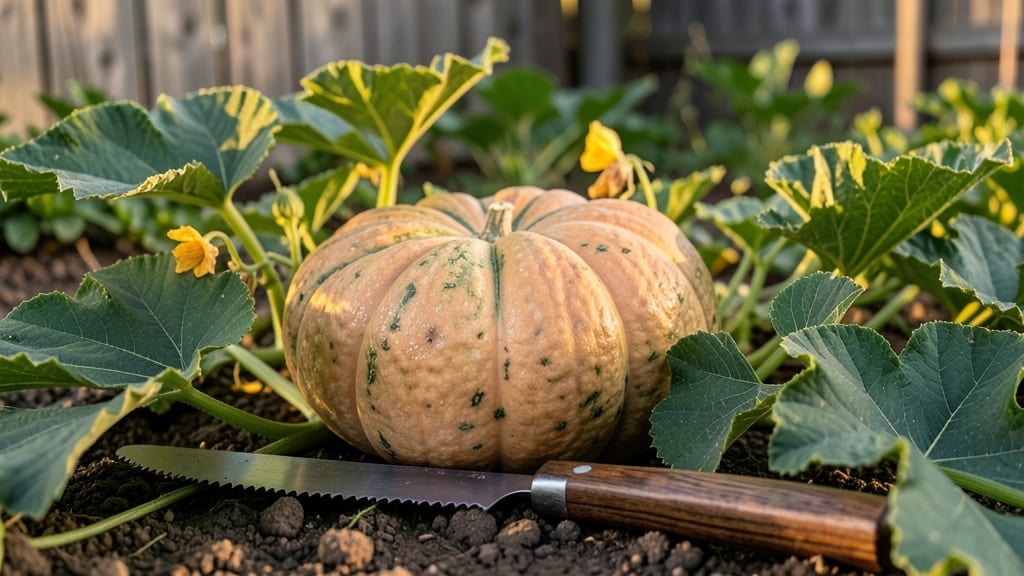
Growing Table King acorn squash in partial shade gives you sweet, reliable harvests when full sun isn't an option. 🌿 I've grown this variety for three seasons now, and it consistently produces 10-15 pound squash with minimal fuss—even in my dappled shade garden.
The key is understanding how this variety adapts to less direct sunlight while still delivering that signature dense, dry flesh perfect for roasting.
Start with well-draining soil rich in compost, and plant seeds after your last frost when soil reaches 60°F. Space plants 3 feet apart in hills, and use black plastic mulch to warm the soil faster.
Water consistently at the base—never overhead—to prevent powdery mildew, the squash's biggest enemy in humid shade. A morning watering routine keeps roots happy without encouraging fungal issues.
By midsummer, you'll see those classic acorn-shaped squash developing with deep green rinds and smooth ridges. Harvest when the stem turns brown and the skin is hard to pierce with a fingernail—usually around 85-95 days after planting.
One mature plant yields 2-3 squash, and they store beautifully for months in a cool, dark place.
For shade gardeners, this variety is a game-changer—it tolerates morning sun with afternoon shade better than most squash. Just watch for squash vine borers by checking stems for sawdust-like frass, and remove affected vines immediately. With these adjustments, you'll get that restaurant-quality squash without the full-sun commitment.
📚 In This Guide
- What you need
- Instructions
- Tips and common mistakes
- Wrapping up and next steps
What you need
- ● Seeds: 3–5 Table King acorn squash seeds (heirloom, non-GMO preferred for best flavor and yield).
- ● Growing Space: Container: 5-gallon pot or larger (at least 12" deep) with drainage holes, or
- ● Garden bed: Full sun to partial shade (4–6 hours of light daily), with well-draining, fertile soil.
- ● Soil: 1 part compost + 2 parts potting mix or garden soil (amend with 1 cup perlite or vermiculite for aeration).
- ● Fertilizer: Balanced organic fertilizer (e.g., 5-5-5 or 10-10-10), 1 tbsp per plant at planting.
- ○ Compost tea or worm castings (optional but recommended for nutrient boost).
- ● Watering Supplies: Watering can or hose with gentle spray nozzle.
- ● Mulch: 2–3 inches of straw or shredded leaves to retain moisture and suppress weeds.
- ○ Support (Optional but Helpful): Small cage or trellis (for vining varieties, though Table King stays compact).
- ● Hand Trowel (for transplanting seedlings).
- ● Pruning Shears (to trim excess vines or yellowing leaves).
- ● Gloves (to protect hands from prickly squash stems).
- ○ pH Test Kit (optional but ideal—aim for 6.0–7.0 soil pH).
- ● Shade Cloth (30–50%) (if your garden gets hot afternoon sun; acorn squash prefers cooler temps).
- ● Harvest Knife or Pruners (for clean cuts when picking squash).
How to grow Table King acorn squash in partial shade
With the right approach, you can grow sweet, plump Table King acorn squash even in shadier spots than most varieties tolerate.
🌱 Step 1: Select the Perfect Planting Location
Choose a spot that receives 4-6 hours of morning sun and afternoon shade—this variety handles more shade than most acorn squash. The soil should drain well but retain moisture, as Table King squash roots run deep and need consistent hydration. I always test drainage by digging a hole, filling it with water, and watching how quickly it drains—if it pools after 30 minutes, amend with compost or sand.
Acorn squash vines spread 3-5 feet wide, so give each plant at least 6 feet of space in all directions. If space is tight, you can grow them in large containers (at least 18 inches deep), but they’ll produce smaller fruits. I’ve found that raised beds with 12 inches of amended soil work beautifully for shade gardening.
☀️ Step 2: Prepare Soil for Optimal Growth
Table King squash thrives in soil with a pH between 6.0 and 6.8, so test your soil before planting. If it’s too acidic, mix in 1-2 pounds of lime per 100 square feet a few weeks ahead of time. Work in 3-4 inches of compost and 1 cup of 5-10-10 fertilizer per plant to provide balanced nutrition without burning tender roots.
Loosen the soil to a depth of 12 inches to encourage deep root growth, which is especially important in shadier conditions. I like to add a handful of worm castings to each planting hole—they improve soil structure and provide gentle, long-lasting nutrients. Avoid fresh manure, which can cause nitrogen burn and stunt growth.
🌱 Step 3: Plant Seeds or Transplants at the Right Time
Start seeds indoors 4-6 weeks before your last frost date or sow directly in the garden after soil temperatures reach 60°F. Plant seeds 1 inch deep and 3-4 inches apart, spacing rows 6 feet apart to allow for vine spread. If using transplants, choose healthy 4-6 week old seedlings with 2-3 true leaves and sturdy stems.
Here’s the thing—acorn squash seedlings are delicate, so handle them carefully when transplanting. I like to harden off seedlings by placing them outside in a sheltered spot for 1-2 hours daily for a week before planting. Watch for signs of stress like wilting or yellowing leaves—these indicate the plant isn’t ready for full outdoor conditions.
💧 Step 4: Water and Mulch for Consistent Moisture
Keep the soil evenly moist but not soggy, aiming for 1-1.5 inches of water per week. Water deeply at the base of the plant in the morning to allow foliage to dry before evening, reducing disease risk. I use a soaker hose for even moisture distribution, which is especially important in shadier spots where evaporation is slower.
Apply 2-3 inches of organic mulch like straw or shredded leaves around each plant to retain moisture and suppress weeds. Mulch also keeps soil temperatures stable, which is crucial for squash growing in partial shade. Replenish mulch as it breaks down, and avoid piling it against the stems to prevent rot.
✂️ Step 5: Monitor and Support for Maximum Yield
As vines grow, train them to spread outward rather than inward to maximize sunlight exposure. Use lightweight trellises or cages if needed, but avoid heavy structures that can damage tender stems. Prune any yellow or diseased leaves immediately to prevent spread—acorn squash is susceptible to powdery mildew in humid conditions.
Watch for first female flowers, which appear after 45-50 days of growth. These have tiny squash at their base, while male flowers grow on long stems. Pollination is critical for fruit set, so hand-pollinate if bees are scarce by transferring pollen with a small brush. Harvest when the skin is hard and the stem no longer softens when pressed—usually 85-100 days after planting.
Tips & tricks for growing Table King acorn squash in shade
Mastering this shade-tolerant variety takes a few strategic moves—here's what I've learned after growing it successfully in partial shade for three seasons.
Sunlight Strategy: The 4-6 hours of morning sun is non-negotiable for Table King squash, but here's the trick: position your plants to capture the most intense sunlight hours (typically 9 AM to 1 PM). I've found that planting on the east side of structures or using reflective surfaces like white gravel can extend effective light exposure by up to 30 minutes. This extra light makes all the difference in fruit development.
Soil Preparation Insight: When amending your soil with compost and worm castings, focus on creating a loose, crumbly texture to a depth of 12 inches—this mimics the natural forest floor where Table King thrives. I like to mix in a handful of perlite or coarse sand to improve drainage while maintaining moisture retention. The goal is to create an environment where roots can explore deeply without waterlogging.
Seedling Care Secret: Don't rush the hardening-off process for seedlings. I've seen many gardeners skip this step, only to have their plants struggle after transplanting. Start with just 1-2 hours daily in a sheltered spot, gradually increasing exposure over 7 days. Watch for leaves that stay firm and dark green—they're telling you the plant is ready. Yellowing or wilting means it needs more time to acclimate.
Harvest Timing: The 85-100 day window is your target, but here's what I look for instead: press the stem where it meets the fruit—when it feels hard and doesn't soften under pressure, that's your cue. I also check the color: mature Table King squash develop a deep, glossy green that's almost blue-green in shade conditions. The skin should be tough enough to resist gentle scratching with your thumbnail.
Pro Tips for Table King Acorn Squash
- Mastering this shade-tolerant variety takes a few strategic moves—here's what I've learned after growing it successfully in partial shade for three seasons.
- Sunlight Strategy: The 4-6 hours of morning sun is non-negotiable for Table King squash, but here's the trick: position your plants to capture the most intense sunlight hours (typically 9 AM to 1 PM).
- Soil Preparation Insight: When amending your soil with compost and worm castings, focus on creating a loose, crumbly texture to a depth of 12 inches—this mimics the natural forest floor where Table King thrives.
Frequently asked questions
Got questions about growing Table King acorn squash? You’re not alone! This versatile variety thrives in partial shade but still needs some TLC. Here are answers to the most common queries to help you grow a bountiful harvest.
Can Table King acorn squash grow in full shade?
While Table King handles partial shade (4–6 hours of sunlight daily), full shade will stunt growth and reduce yields. Aim for a spot with at least 4 hours of morning sun or dappled light. If your garden is shady, supplement with a grow light or choose a sunnier location.
How long does it take for Table King squash to mature?
From seed to harvest, expect 85–100 days for Table King. Start seeds indoors 3–4 weeks before the last frost or sow directly after soil warms (60°F+). Watch for male flowers first, then female flowers (with tiny squash forming at the base)—harvest when the skin turns hard and dull.
What’s the best way to harvest Table King squash?
Use a sharp knife or pruners to cut stems, leaving a 1-inch stem attached. Avoid dragging squash from vines—handle gently to prevent bruising. Cure harvested squash in a warm (80–85°F), dry place for 10 days to improve flavor and storage life (up to 3 months).
Are there shade-tolerant alternatives to Table King?
Yes! Try these low-light squash varieties:
- ‘Early Prolific Straightneck’ (75 days, tolerates partial shade)
- ‘Waltham Butternut’ (90 days, handles dappled light)
- ‘Sweet Dumpling’ (85 days, compact and shade-friendly)
Why are my Table King squash flowers falling off?
Flower drop is often due to temperature stress (below 55°F or above 90°F), lack of pollinators, or overwatering. Hand-pollinate by transferring pollen with a paintbrush, ensure consistent moisture, and provide afternoon shade in extreme heat. Squash bugs? Treat with neem oil or row covers early.
Pro Tip: Label your plants!
Table King’s vines can sprawl, and squash blends in with foliage. Use stakes or trellises to elevate vines (saves space!) and tag plants to avoid mix-ups with other varieties. Happy growing!
Wrapping up and next steps
Growing Table King acorn squash in shade is totally doable—and the sweet, vibrant harvests make it worth every effort! 🌱 With the right soil, spacing, and a little patience, you’ll enjoy a bountiful yield even in less-than-sunny spots.
Whether you’re a seasoned gardener or a curious beginner, this shade-friendly variety proves that great things grow with care.
Ready to put your green thumb to work? Start by gathering your supplies and clearing up any questions—then dive into planting! Your future harvest (and dinner table) will thank you. 🍽️✨