
Picking
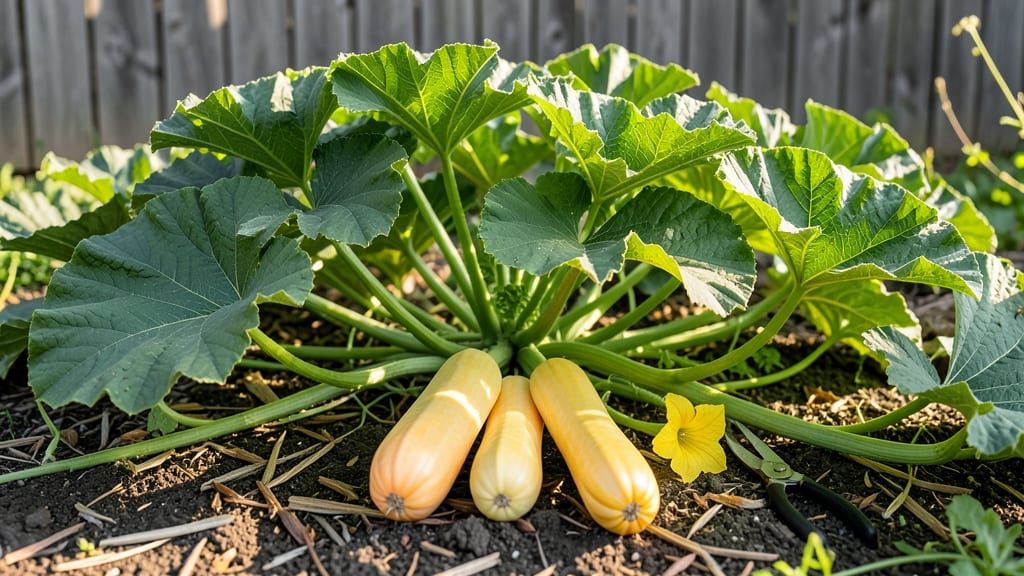
Growing sweet meat squash means summer harvests with nutty, caramel-like flesh that rivals butternut—if you time it right. 🌱 I learned the hard way that patience pays off: harvesting too early gives you tough, bland squash, while waiting too long means rock-hard seeds and stringy flesh.
The secret lies in knowing exactly when to pick for that perfect balance of sweetness and texture.
This squash thrives in warm-season gardens (plant after last frost when soil hits 60°F), needing full sun and well-draining soil rich in compost. Spacing plants 3–4 feet apart prevents crowding, and consistent 1–2 inches of water per week keeps vines lush without rot.
The vines sprawl like a lazy cat, so give them room—or train them up a trellis to save space.
When it’s time to harvest, look for smooth, firm skin and a dull rind—no green shoulders or soft spots. A mature squash should weigh 2–4 pounds and have that unmistakable earthy aroma when you cut into the stem.
Cut with a sharp knife, leaving a 1-inch stem to prevent rot, and store in a cool, dry place where they’ll keep for weeks.
Regional tweaks matter: in hot climates, harvest earlier to avoid heat stress; in cooler zones, use black plastic mulch to warm the soil. And watch for squash vine borers—wrap stems with aluminum foil at planting to deter them.
With these tips, you’ll go from seed to table with squash so sweet and tender, you’ll forget store-bought ever tasted this good.
📚 In This Guide
- What you need
- Instructions
- Tips and common mistakes
- Wrapping up and next steps
What you need
- ● Sweet Meat Squash Seeds: 1–2 seed packets (or 10–15 seeds if planting in clusters)
- ● Pro tip: Choose heirloom varieties like ‘Sweet Meat’ or ‘Butterbush’ for the best flavor! 🌡️
- ● Growing Space: Full sun (6–8 hours/day) in a well-draining soil bed
- ● OR 5–10 gallon containers (if growing in pots)
- ● Soil: Well-draining, fertile soil with a pH of 6.0–7.0
- ● Compost or aged manure (1–2 cups per planting hole)
- ● Fertilizer: Balanced organic fertilizer (10-10-10) or compost tea
- ● Tools: Garden trowel or transplanting spade
- ● Watering can or hose with a gentle spray nozzle
- ○ Pruners (for trimming vines, optional but helpful)
- ● Mulch (straw or shredded leaves) to retain moisture and suppress weeds
- ● Trellis or stakes (if growing bush varieties for easier harvesting)
- ● Row covers (for early planting to protect from frost)
- ● Soil moisture meter (to monitor hydration levels)
How to grow and harvest sweet meat squash for maximum flavor
Here's the straightforward method I use to grow sweet, tender squash—no guesswork, just reliable results.
🌱 Step 1: Choose the Right Variety and Plant at the Correct Time
Sweet meat squash thrives in warm climates and needs a long growing season. Select a bush or vining variety suited to your USDA hardiness zone—most do best in zones 4-10. Plant seeds 1-2 weeks after your last frost date when soil temperatures reach at least 60°F. Cold soil slows germination and weakens seedlings.
Direct-sow seeds 1 inch deep in hills of 3-4 seeds each, spacing hills 3-4 feet apart for vining types or 2-3 feet apart for bush varieties. Thin to 2-3 strongest plants per hill once seedlings develop 2 true leaves. This prevents overcrowding and ensures better airflow, reducing disease risk.
☀️ Step 2: Provide Consistent Water and Full Sun
Sweet meat squash demands full sun (6-8 hours daily) and consistent moisture—never let the soil dry out completely. Water deeply 1-2 times per week, aiming for 1 inch of water per week. Use drip irrigation or soaker hoses to keep foliage dry, which prevents powdery mildew. Mulch around plants with 2-3 inches of straw or shredded leaves to retain moisture and suppress weeds.
Watch for yellowing leaves or wilting—these are signs of uneven watering. Adjust your schedule based on rainfall; if it's been dry for 3+ days, water immediately. Overhead watering in the evening can promote fungal issues, so water in the early morning instead.
🌿 Step 3: Monitor Growth and Fertilize Mid-Season
Sweet meat squash benefits from balanced fertilization at planting and mid-season. At planting, mix 1 cup of 10-10-10 fertilizer into the soil per hill. Then, 4-6 weeks later, side-dress with ½ cup of 5-5-5 fertilizer per hill. Avoid high-nitrogen fertilizers—they encourage leafy growth at the expense of fruit development.
Keep an eye out for male and female flowers. Female flowers appear near the base of the vine and have a tiny squash forming behind them. Hand-pollinate if needed by transferring pollen from male flowers (long stems, no squash) to female flowers using a small brush. This ensures better fruit set, especially in cool or rainy weather.
⏰ Step 4: Harvest at Peak Ripeness for Best Flavor
The key to sweet, tender meat squash lies in timing your harvest. Most varieties are ready 75-90 days after planting, but check daily once they near maturity. Look for firm skin, a deep color (depending on variety), and a slightly waxy texture. Press the skin gently—if it yields slightly, it’s ripe.
Use a sharp knife or pruners to cut stems, leaving ½ inch of stem attached to the squash. Harvest in the morning when temperatures are coolest to preserve texture. Store in a cool, dry place (55-60°F) for up to 2 weeks. If left on the vine too long, squash becomes tough and seedy, losing its sweet flavor.
✂️ Step 5: Maintain the Garden for Continuous Harvests
After your first harvest, keep the garden productive by removing overripe or damaged squash immediately. This encourages the plant to focus energy on new fruit. Prune yellow or diseased leaves to improve airflow and reduce pests. If vines sprawl, train them along a trellis to save space and improve air circulation.
Sweet meat squash is a heavy feeder, so replenish nutrients after each harvest by top-dressing with compost or well-rotted manure. If you notice small, underdeveloped squash, the plant may need more phosphorus. Apply a low-phosphorus fertilizer (like 0-10-10) to boost fruit production. With proper care, one plant can yield 4-6 squash per season—enough for a family of four!
Tips & tricks for perfect sweet meat squash cultivation
Real talk: The difference between garden-average squash and restaurant-quality sweet meat squash often comes down to these overlooked details.
Soil Temperature Matters: That 60°F minimum soil temperature in Step 1 isn't just a suggestion—it's non-negotiable for germination. I've buried seeds in cooler soil thinking they'd "tough it out," only to watch them rot in the ground. Use a soil thermometer to confirm before planting. For cooler climates, consider using black plastic mulch 2 weeks before planting to warm the soil naturally. The first 48 hours after planting are critical—keep an eye on your soil thermometer during this window.
The Harvest Timing Secret: Those 75-90 days in Step 4 are a guideline, not a deadline. I learned this the hard way after harvesting too early and getting bland, underdeveloped squash. The real test is the "firm skin, deep color, waxy texture" combo—but here's what nobody tells you: The squash should also have a slight hollow sound when tapped gently (like knocking on wood). This indicates peak sweetness. Morning harvests preserve that freshness best, but if you must harvest later, do it in the late afternoon to prevent wilting.
Watering Strategy: The 1-2 times per week guidance assumes average conditions, but your local climate dictates the real schedule. In my experience, the 3+ days dry rule in Step 2 is your best friend. I keep a rain gauge nearby and adjust immediately when we hit that threshold. Pro tip: Water at the base of plants rather than overhead—this prevents fungal spores from splashing onto leaves. For container growing, ensure pots have drainage holes and use saucers to catch excess water, which prevents root rot.
Continuous Care: That 4-6 squash yield per plant promise in Step 5 only happens with consistent maintenance. Here's what I do: After each harvest, I immediately remove any overripe squash (even if it looks perfect) to signal the plant to produce more. I also rotate my trellis training every 2 weeks to prevent vine damage. For phosphorus-boosting, I've found that a side-dressing of bone meal (1 tablespoon per hill) works better than synthetic fertilizers for fruit development. The key is consistency—don't let your plants become nutrient-depleted between harvests.
Pro Tips for Sweet Meat Squash
- Real talk: The difference between garden-average squash and restaurant-quality sweet meat squash often comes down to these overlooked details.
- Soil Temperature Matters: That 60°F minimum soil temperature in Step 1 isn't just a suggestion—it's non-negotiable for germination.
- The Harvest Timing Secret: Those 75-90 days in Step 4 are a guideline, not a deadline.
Frequently asked questions
Got questions about growing and harvesting sweet meat squash? You’re not alone—this unique variety has its quirks! Below, we’ve rounded up the most common queries to help you grow a bumper crop with ease.
What’s the best time to harvest sweet meat squash for peak flavor?
Harvest when the squash reaches 8–12 inches long, has a firm, glossy skin, and a deep, rich color (usually orange or yellow). The stem should still be green and slightly woody—if it’s brown or mushy, it’s overripe! Use a sharp knife to cut it cleanly from the vine to avoid damaging the plant.
How long does it take for sweet meat squash to mature after flowering?
Expect 45–55 days from flowering to harvest, depending on your climate and variety. Warm, sunny days speed up maturity, while cool weather can delay it. Keep an eye on the squash’s growth rate—some varieties may mature faster or slower, so check the seed packet for specifics!
Can I substitute sweet meat squash for other winter squash in recipes?
Its dense, meaty texture makes it a great swap for butternut, acorn, or kabocha squash. It’s slightly sweeter and creamier when cooked, so it’s perfect for soups, roasting, or even spiralizing. Just adjust cooking times—sweet meat squash tends to soften faster than harder-skinned varieties.
Why is my sweet meat squash turning bitter or developing a tough skin?
Overripe squash or stress from extreme heat or drought can cause bitterness or tough skin. Harvest earlier if your region has sudden temperature swings. Also, ensure plants get consistent moisture—dry soil can lead to poor texture. If the skin is tough, try roasting it longer to soften it up!
How should I store harvested sweet meat squash to keep it fresh?
Store in a cool, dark place (50–55°F) with good airflow, like a pantry or basement. Avoid refrigeration—it can make the flesh mealy. Whole squash lasts 2–3 months, while cut pieces should be eaten within 5–7 days. For longer storage, freeze cooked squash in portions!
Wrapping up and next steps
Sweet meat squash is a rewarding addition to any garden—packed with rich, nutty flavor and versatile uses in the kitchen. Whether you're a seasoned gardener or a curious beginner, mastering the harvesting timing, techniques, and storage tips ensures you’ll enjoy the peak taste and texture every time. 🌱
Now that you’re armed with the know-how, it’s time to roll up your sleeves and get growing! Start by planting a few seeds (or seedlings) this season, and soon you’ll be savoring homegrown squash in soups, roasts, or even grilled dishes. Happy harvesting—and happy eating! 🍽️