
Picking
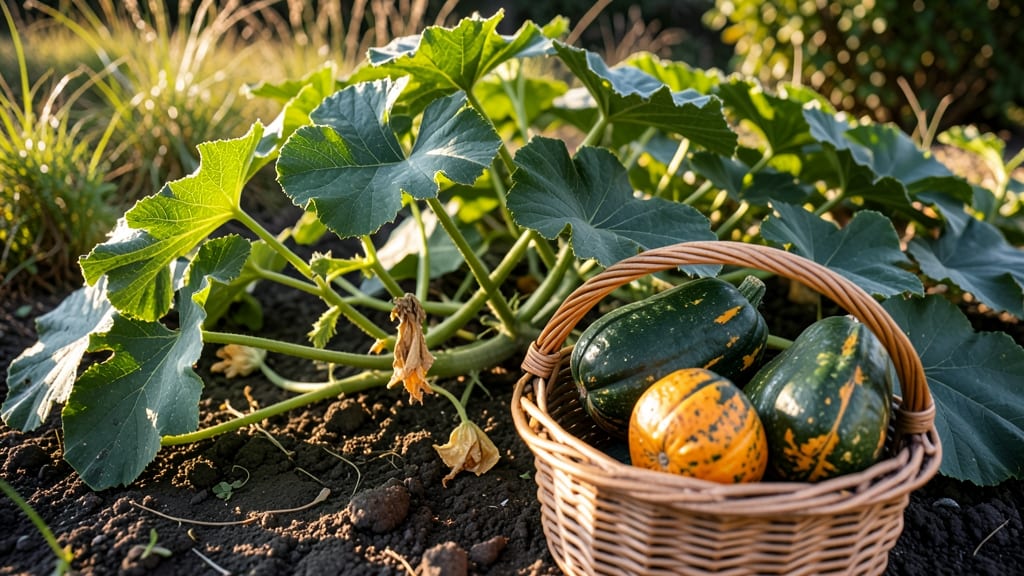
A ripe kabocha squash is ready to harvest when its skin turns a deep, matte orange-copper—no green left anywhere. 🌱 I learned the hard way that waiting for that exact color means sweeter flesh and thicker walls, while harvesting too early gives you watery, bland squash that’s basically mushy when cooked.
The stem is your second clue: it should dry up and form a papery brown cap, almost like it’s shrinking away from the fruit. Run your thumb over the skin—it should feel hard and slightly rough, not soft or spongy.
If you press a fingernail into the skin and it leaves no mark, that’s your sign to pick it. Once harvested, cure your squash for 10-14 days in a dry, shady spot (like a garage shelf) to toughen the skin.
Store in a cool, dark place where temps stay between 50-55°F, and it’ll keep for 3-6 months. The flavor only deepens over time—perfect for soups, roasts, or even sweet treats. This method works for both garden-grown and store-bought squash.
Just watch for those orange patches and you’ll always know when it’s prime.
📚 In This Guide
- What you need
- Instructions
- Tips and common mistakes
- Wrapping up and next steps
What you need
- ● 1-2 ripe kabocha squash (Check for a hard, unyielding rind and a stem that’s dry and papery—no soft spots!)
- ● Sharp pruning shears or a knife (For clean cutting without damaging the squash)
- ● Clean, dry cutting board (To avoid contamination)
- ● Food-safe storage container or mesh bag (For ventilation—think burlap or cardboard boxes with holes)
- ● Paper towels or newspaper (To cushion squash during storage and absorb excess moisture)
- ● Permanent marker or label tags (To mark harvest dates if storing long-term)
- ● Cool, dark storage space (Ideal temp: 50–55°F with 50–70% humidity)
- ● Squash curing tray (For pre-storage drying if your squash isn’t fully cured)
- ● Hyrometer or thermometer (To monitor storage conditions like a pro)
- ● Plastic wrap (breathable kind!) (For short-term storage if you’re in a hurry)
- ● Wooden crate or pallet (For stacking squash safely in bulk)
- ● Food-grade mineral oil or beeswax (To seal small cuts/scrapes for longer shelf life)
How to tell when kabocha squash is perfectly ripe
Here's how to pick squash at its sweetest, plus keep it fresh for months.
🍎 Step 1: Check the Skin for Color and Texture
The skin of a ripe kabocha turns a deep, matte golden-orange—never shiny or green. Run your fingers over the surface: it should feel firm but slightly rough, like a textured ceramic pot. A perfectly ripe squash has a hard rind that’s tough to pierce with your thumbnail.
Watch for the stem end too. It should be dry and papery, not moist or still attached to a vine. If you see any soft spots or mold, that squash sat too long in the field. I always tap the squash gently with my knuckles—ripe ones sound hollow, while unripe ones thud like a drum.
🌿 Step 2: Press the Blossom End for Give
Press your thumb into the blossom end (the flat side where the stem was attached). A ripe kabocha yields slightly under pressure but doesn’t dent deeply. If it feels rock-hard, it’s still maturing on the vine. If it leaves a deep thumbprint, it’s overripe and past its prime.
Here’s the thing—kabocha squash doesn’t soften much after harvest, so timing is everything. I’ve learned that waiting for that perfect give means the flesh will be sweeter and denser. Overripe squash has a grainy texture and less flavor—trust your fingers, not just your eyes.
☀️ Step 3: Harvest at the Right Time of Year
Kabocha ripens in late fall, typically between October and November in most climates. The first frost signals it’s time to harvest—cold temperatures actually sweeten the flesh. If you’re growing your own, check squash weekly starting in September for signs of ripeness.
Don’t wait until the leaves die back completely. By then, the squash may have absorbed too much frost, making the skin tougher. I harvest mine in the morning after the dew dries—cooler temps preserve freshness longer. Use a sharp knife or pruners to cut the stem, leaving a 1-inch stem attachment on the squash.
🪴 Step 4: Cure for Maximum Flavor and Shelf Life
Spread harvested squash in a dry, warm spot (around 80-85°F) for 7-10 days to cure. This hardens the skin and concentrates sugars. I place mine on a wire rack in my garage, turning them occasionally to ensure even drying.
You’ll know curing is complete when the skin is fully hardened and the stem end is completely dry. Skip this step, and your squash will store for only 1-2 months. Cured kabocha lasts 4-6 months in a cool, dark place—like a root cellar or unheated garage—where temperatures stay between 50-55°F.
⏰ Step 5: Store Properly for Long-Term Freshness
Once cured, store squash in a single layer (don’t stack) with good airflow. A cardboard box with ventilation holes works perfectly. Avoid plastic bags—they trap moisture and encourage rot. Check squash monthly for soft spots or mold, which spread fast in damp conditions.
Real talk: kabocha squash doesn’t like humidity. If your basement feels damp, store it in a mesh bag to improve airflow. When ready to use, cut into wedges and roast immediately. The flesh oxidizes quickly, so don’t prep it ahead of time—save that for zucchini.
Tips & tricks for perfect kabocha squash selection
These simple tricks will help you pick the sweetest squash and preserve its flavor for months.
The Color Test: Look for that deep, matte golden-orange hue—the shinier the squash, the less ripe it is. I've learned that squash left in direct sunlight often develops a green tint, which means it wasn't fully matured when harvested. The matte finish indicates proper ripening and maximum sweetness.
Harvest Timing Secret: The first frost actually sweetens kabocha squash, but don't wait too long—harvest in late fall when temperatures dip into the 40s°F. Morning harvests are best because the cooler nighttime temperatures help preserve freshness. I always check for that dry, papery stem end as my final indicator.
Curing Wisdom: That 7-10 day curing period at 80-85°F is non-negotiable for maximum flavor and storage life. I've seen people skip this step and wonder why their squash only lasts a couple months. The curing process hardens the skin and concentrates natural sugars, making the difference between good and extraordinary flavor.
Storage Hack: For long-term storage, use a mesh bag instead of plastic—it allows airflow while protecting against pests. I keep mine in a cardboard box with ventilation holes in my unheated garage where temperatures stay around 55°F. This method has kept my kabocha fresh for up to 6 months with no quality loss.
Pro Tips for Ripe Kabocha Squash
- These simple tricks will help you pick the sweetest squash and preserve its flavor for months.
- The Color Test: Look for that deep, matte golden-orange hue—the shinier the squash, the less ripe it is.
- Harvest Timing Secret: The first frost actually sweetens kabocha squash, but don't wait too long—harvest in late fall when temperatures dip into the 40s°F.
Frequently asked questions
Got questions about picking, storing, or using ripe kabocha squash? You’re not alone! Here are answers to the most common queries—so you can enjoy this sweet, nutty gem at its best.
How do I know when a kabocha squash is truly ripe?
A fully ripe kabocha will have a deep, matte orange or green skin (depending on the variety) with no soft spots. Tap it—if it sounds hollow like a drum, it’s ready! Avoid squash with bruises or a musty smell, as these signal spoilage. Pro tip: The stem should also be dry and woody, not green or slimy.
How long does it take for kabocha squash to ripen after harvest?
Kabocha squash typically ripens 10–14 days after harvest if left in a cool, dry place (like a garage or basement). Check daily for color changes and firmness. If stored at room temperature, it may ripen faster, but avoid direct sunlight to prevent overripening or spoilage.
Can I substitute kabocha squash for butternut squash in recipes?
Kabocha and butternut squash are close cousins, but kabocha has a sweeter, denser texture and richer flavor. Use a 1:1 ratio by weight, but reduce cooking time slightly (kabocha softens faster). For mashed dishes, kabocha adds a creamier result—perfect for soups or risotto!
How should I store ripe kabocha squash to extend its shelf life?
Store whole, uncut kabocha in a cool (50–55°F), dark, and humid space (like a pantry or fridge). It’ll last 2–3 months this way. Once cut, wrap tightly in plastic and refrigerate for up to 5–7 days. For longer storage, freeze cooked kabocha in airtight containers for up to 6 months.
Why does my kabocha squash turn mushy or develop mold?
Mushiness or mold usually means overripening or poor storage. Check for:
- Excess moisture (wipe squash dry before storing).
- Temperature fluctuations (keep it steady!).
- Physical damage (bruises speed up rot).
Wrapping up and next steps
Mastering the art of harvesting and storing ripe kabocha squash ensures you’ll savor its sweet, nutty flavor all season long! Whether you’re a seasoned gardener or just starting out, these secrets—from checking for the perfect touch to storing with care—will transform your kitchen into a taste bud paradise. 🌟
Now that you’re armed with the know-how, go ahead and try it yourself—pick that squash, store it right, and enjoy the rewards of your harvest. Ready for more? Experiment with recipes or share your newfound wisdom with fellow gardeners! 🍽️🌱