
Shrubs
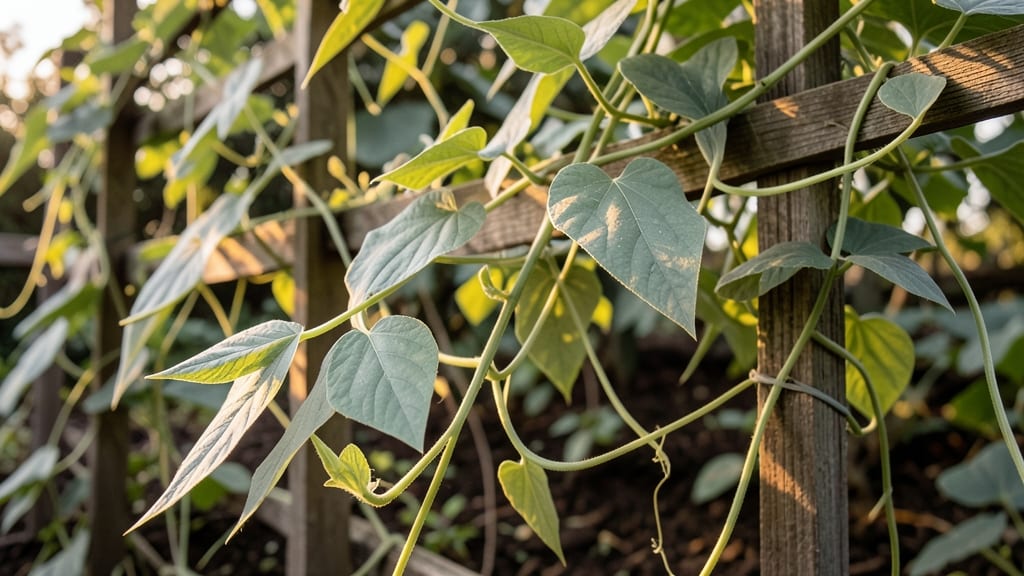
Struggling to identify squash plants in your garden? These 10 visually distinct varieties showcase unique vine habits and leaf shapes that make recognition effortless—perfect for gardeners, seed collectors, and plant enthusiasts.
Butternut Squash Vine Growth Patterns
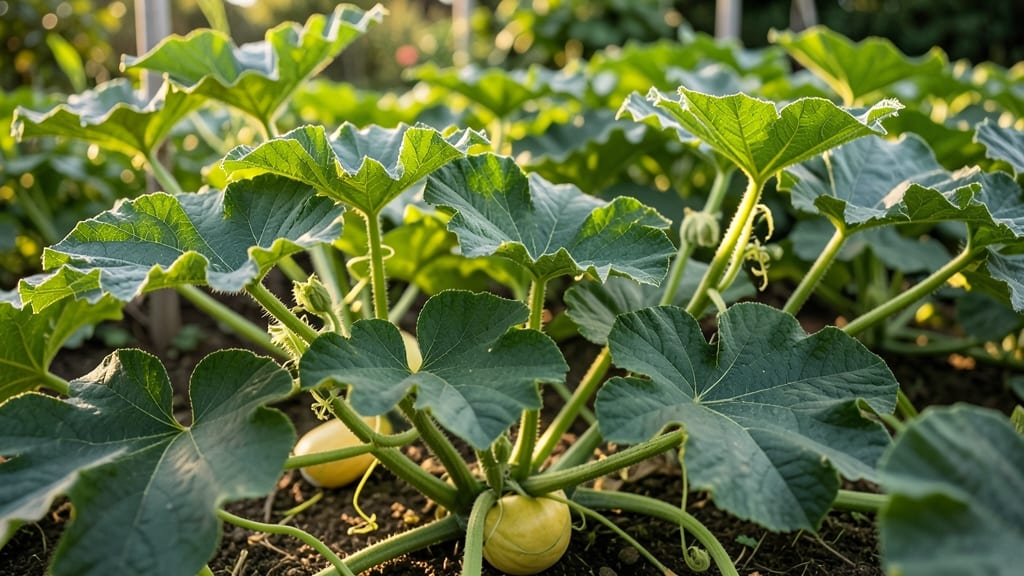
If your garden space is limited but you still crave the sweet rewards of butternut squash, this trailing vine variety is your perfect match. Unlike bush types, its deeply lobed leaves and sprawling growth habit make it instantly recognizable—and ideal for small plots or containers.
Butternut squash vines can stretch 6-8 feet if unchecked, but their large, five-lobed leaves (resembling maple leaves) create a striking visual contrast. Plant them near trellises or fences to save space while maximizing yield. They thrive in full sun (6+ hours) and well-draining soil, producing those iconic tan-and-orange fruits by late summer.
This variety is a game-changer for urban gardeners or those with tight spaces, offering the same delicious harvest without the bulk of sprawling pumpkins. Just watch for those distinctive leaves—your squash ID guide! 🌿
Zucchini Leaf Identification Guide
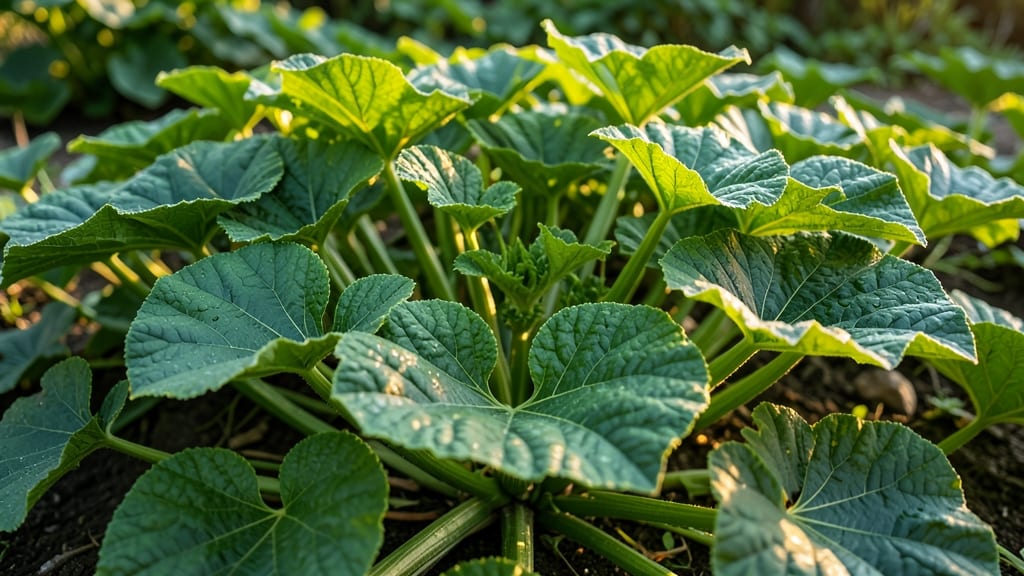
If you’ve ever wondered whether that bushy green plant in your garden is actually zucchini (and not a stray pumpkin or melon), you’re not alone. Zucchini leaves are one of the easiest squash varieties to identify early—thanks to their thick, rounded, and deeply veined structure, which sets them apart from other summer squashes.
The leaves grow in a bushy, upright habit with a rich, dark green color and a slightly waxy texture. Look for prominent tendrils along the stems, which help the plant climb and support its rapid growth. Young zucchini plants produce smaller, heart-shaped leaves that gradually mature into the larger, lobed shapes you’ll recognize later in the season.
This variety thrives in full sun (6-8 hours daily) and produces prolifically, making it a favorite for beginners. Mastering zucchini leaf ID ensures you’ll harvest fresh produce before it outgrows your space! 🌱
Acorn Squash Leaf Structure
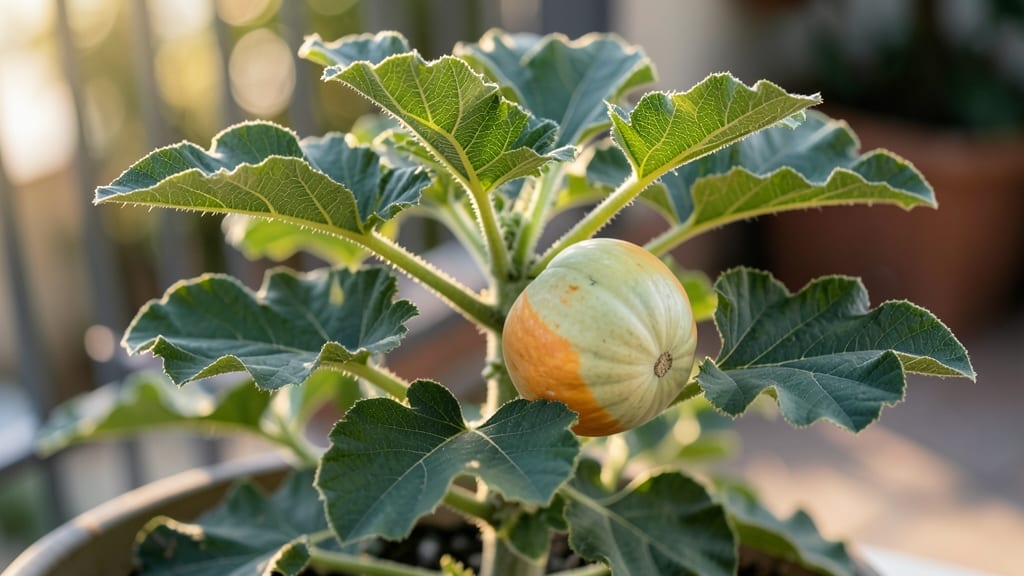
If you're growing squash in containers or small spaces, acorn squash stands out with its distinctive compact bush habit and delicate foliage. Unlike sprawling vines, this variety stays neatly contained, making it ideal for patios, balconies, or even windowsills with enough sunlight.
The small, scalloped-edged leaves and ribbed stems are its signature traits, helping you spot it easily among other squash varieties. These leaves grow in a bushy pattern, reaching about 12-18 inches wide, and the stems have a noticeable ridged texture. Plant in 5-gallon containers with well-draining soil and provide full sun (6+ hours daily) for best results.
This variety thrives in cooler climates and matures in 85-100 days, making it perfect for gardeners with limited space who still want a bountiful harvest. 🌱
Spaghetti Squash Vine Characteristics
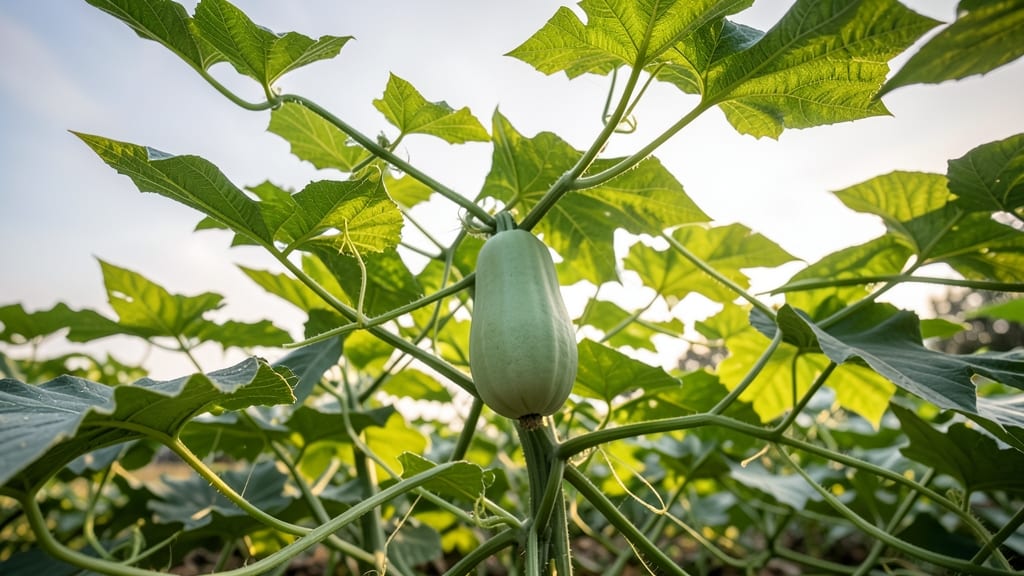
If you're searching for a squash variety that stands out from the crowd, spaghetti squash delivers with its distinctive vine habits and slender foliage. Unlike bushy zucchini or round-leafed acorn squash, its vines sprawl elegantly while producing narrow, lance-shaped leaves that catch the light beautifully.
These vines can stretch 6-8 feet without support, making them ideal for trellises or large garden beds. The leaves, pale green with a slight waxy texture, grow 4-6 inches long and taper to a point, setting it apart from broader squash varieties. Plant in full sun and well-draining soil for optimal growth, and watch as the vines create a striking, airy canopy.
Gardeners who love low-maintenance vining plants or want to train squash vertically will appreciate spaghetti squash's unique form. It's a great choice for those who prefer elegant foliage alongside edible harvests. 🌿
Delicata Squash Leaf Comparison
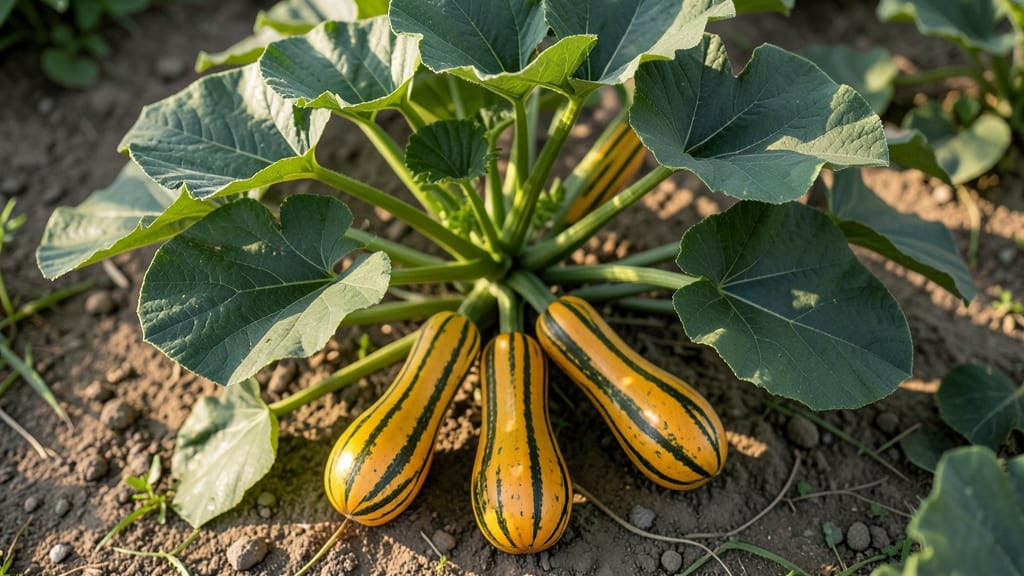
Heirloom gardeners will instantly recognize Delicata squash by its striking combination of broad, slightly waxy leaves and ribbon-like striped fruits. Unlike other squash varieties, its leaves have a unique, smooth-edged appearance that sets it apart from jagged or lobed foliage.
This bush-type variety thrives in moderate climates and produces golden-yellow leaves that contrast beautifully with its signature striped fruits. The waxy texture helps retain moisture, making it more drought-tolerant than some other heirloom squash. Plant in full sun for optimal growth and harvest when fruits reach 6-8 inches long.
Perfect for those preserving garden heritage, Delicata's distinctive foliage and fruits make it a standout choice for both visual appeal and culinary use. 🌟
Pumpkin Vine Identification Features
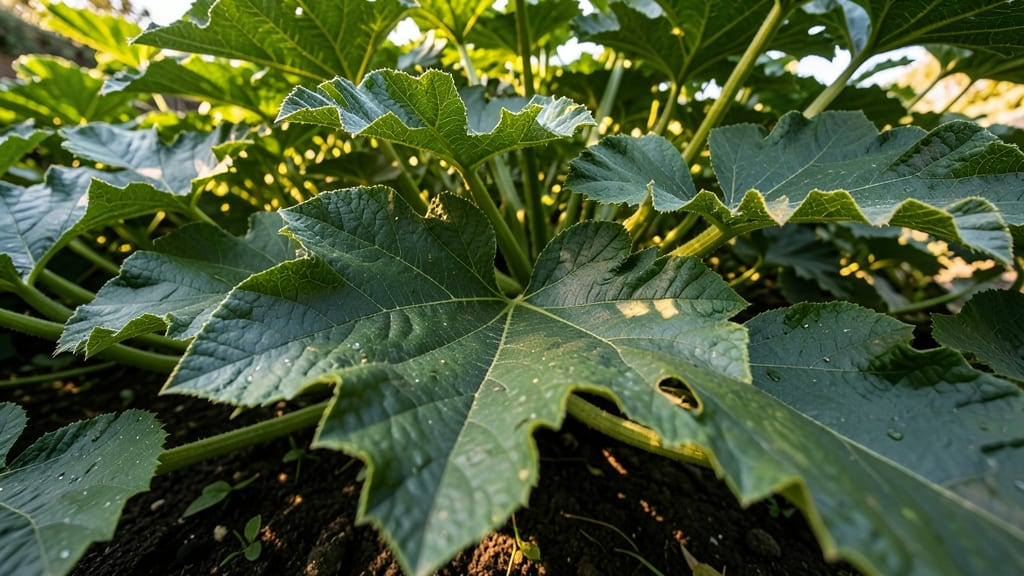
If you’ve ever mistook a pumpkin vine for a squash or wondered how to spot one early in the season, look no further than its massive, deeply lobed leaves. Unlike other squash varieties, pumpkin foliage is unmistakable—each leaf can span 12 inches or more, with five to seven pronounced lobes that create a dramatic, almost palm-like appearance.
These sprawling vines can stretch 10-20 feet in a single season, making them ideal for gardeners with space to dedicate to a centerpiece plant. The leaves are also deep green and slightly waxy, helping them thrive in full sun while resisting pests like squash bugs. For pumpkin growers, recognizing these traits early ensures you’re giving your plants the room and nutrients they crave for those iconic harvests.
This feature is especially useful for fall gardeners or those growing pumpkins for carving—no other squash variety matches their bold, statement-making foliage. 🌻
Hubbard Squash Leaf Shape
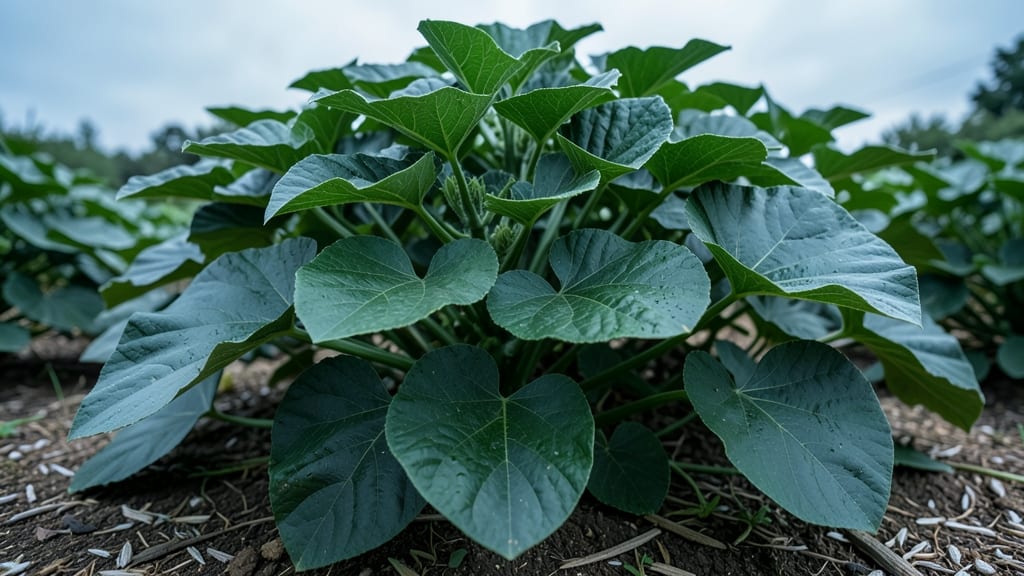
If you're gardening in cooler climates, Hubbard squash stands out with its thick, dark green leaves that feel almost waxy to the touch. This unique texture helps the plant thrive in USDA zones 3-8, where other squash varieties might struggle.
The leaves are broad and rounded, growing in a bushy, compact habit that makes them easy to distinguish from sprawling vines. This variety's cold-hardy nature means you can plant it earlier in spring or later in fall, extending your growing season. The waxy coating also helps retain moisture, reducing watering needs during dry spells.
Perfect for gardeners in northern regions or those with short summers, Hubbard squash delivers both beauty and productivity. 💚
Cushaw Squash Vine Traits
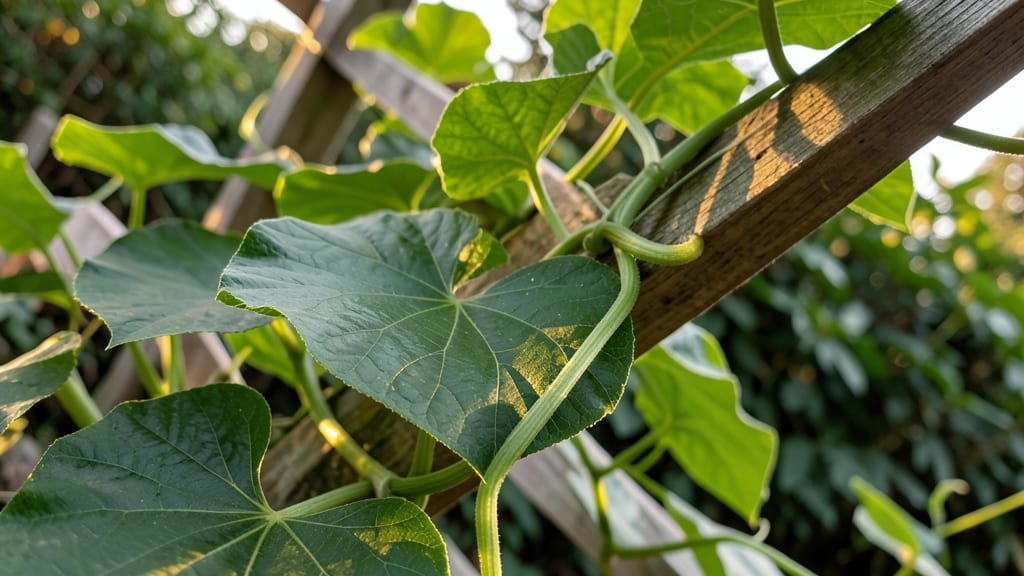
If you're hunting for a squash variety with a unique, almost tropical appearance, cushaw squash delivers with its striking heart-shaped leaves and smooth, trailing vines. Unlike bushier types, cushaws climb naturally, making them ideal for trellises or fences—perfect for saving space in small gardens.
These vines produce delicate, pale green foliage that contrasts beautifully with their tan-striped fruits, which mature into sweet, nutty-flavored squash. The smooth stems (unlike the ribbed stems of acorn squash) and large leaves set them apart from other summer squash varieties. Plant in full sun and well-drained soil for the best results.
Gardeners who love heirloom flavors and vertical gardening will adore cushaws—their vining habit maximizes yield while their mild, buttery taste makes them a standout in the kitchen. 🌿
Patio Star Squash Leaf Structure
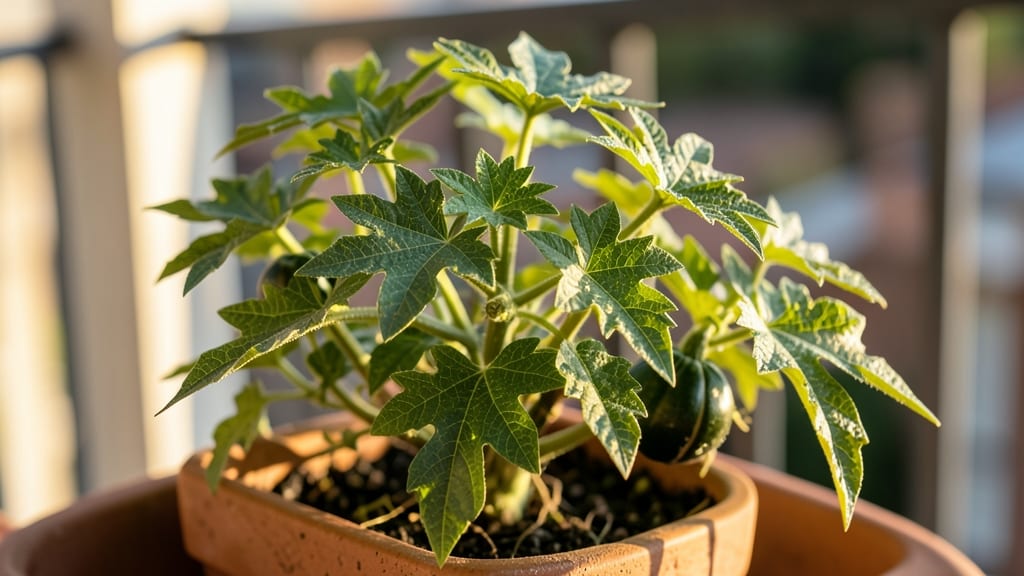
If you're limited to a small patio or balcony but still crave fresh squash, Patio Star is your answer. This charming variety stands out with its tiny, star-shaped leaves that create a lacy, delicate canopy—unlike any other squash you'll grow.
Growing just 2-3 feet tall, it thrives in containers as small as 12 inches wide, making it ideal for urban gardeners. The leaves' unique five-pointed shape (like a miniature maple leaf) makes identification effortless, and its compact growth means no sprawling vines to manage. Produces small, round fruits perfect for stuffing or roasting.
This variety is a game-changer for renters or those with limited space—no trellis or large garden bed required. Perfect for adding greenery and productivity to balconies, rooftops, or even sunny windowsills. 🌻
Tromboncino Squash Vine Growth

If you're hunting for a squash variety that brings Italian flair to your garden, Tromboncino squash delivers with its striking long, trailing vines and narrow, elongated leaves. Unlike bushy types, this heirloom sprawls gracefully, making it a standout in cottage or trellised gardens.
Its pale green, lance-shaped leaves grow up to 12 inches long, creating a dramatic, almost tropical look. Plant seeds after the last frost in well-draining soil and provide strong trellis support—the vines can reach 10 feet! Harvest the cucumber-shaped fruits when they're 12-18 inches long for the best flavor.
Perfect for gardeners who love unusual heirloom varieties or want to add vertical interest, Tromboncino thrives in warm climates but can be grown in cooler zones with row covers. 🌿