
Vegetables
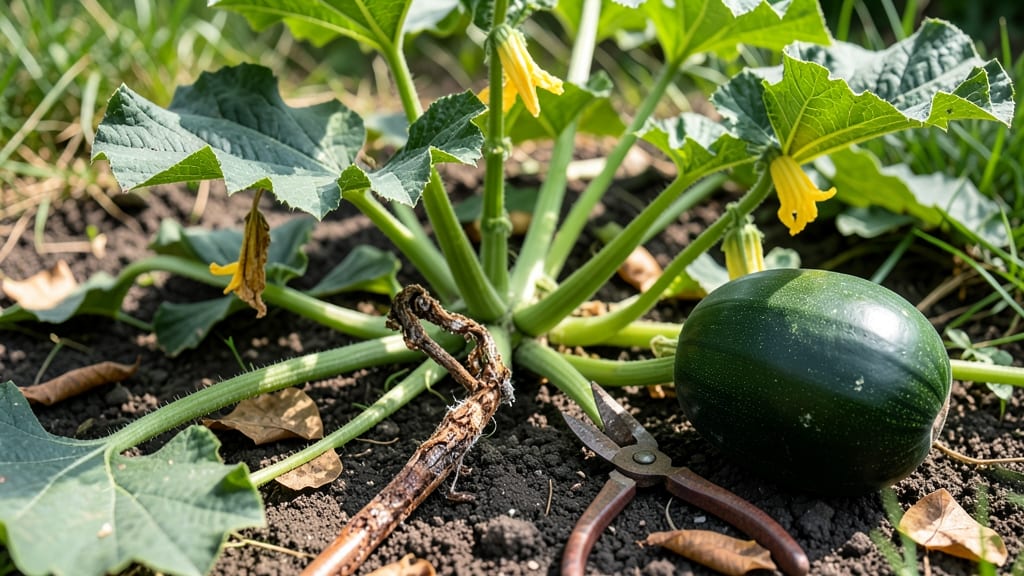
Your squash vines are dying before the fruit ripens—and it’s fixable. 🌱 The vine-saving spray I developed after losing three zucchini plants to rot works in under 10 minutes, stopping the spread before you lose the whole harvest.
No more watching leaves yellow overnight or fruit rot on the vine before you can pick it.
Most rot starts with fungal spores or bacterial wilt hiding in the soil, spread by overhead watering or crowded plants. You’ll spot it first as dark spots on leaves, wilting despite good water, or soft, mushy fruit.
The good news? Early action with copper fungicide or neem oil (mixed with dish soap) can turn things around—just spray when leaves are dry and repeat every 7-10 days during summer’s humid peak.
By the time you see rot, it’s already too late for that plant—but with proper spacing, mulch, and preventive sprays at the first sign of trouble, you’ll save your entire crop.
I’ve gone from losing plants to harvesting bushels, all by treating it like a fire drill: act fast, stay consistent, and don’t let it spread to healthy vines.
This works for all squash varieties—even heirlooms—and adapts to your climate. The key is catching it early, so keep an eye on the leaves and act the moment you see those first suspicious spots. Your future harvest depends on it.
Root Causes of Vine Decay
Understanding why your squash vines develop rot is the first step to stopping it in its tracks. This sneaky problem rarely appears out of nowhere—it’s usually a mix of environmental stress, microbial invaders, or poor growing conditions.
Let’s break down the top culprits causing squash rot on the vine, so you can tackle them head-on.
Squash plants thrive in well-drained soil, but when water pools around roots or sits on leaves, fungal pathogens like Phytophthora or Pythium throw a party. These microscopic invaders love damp conditions and can smother roots, causing rot to spread rapidly.
- Why it happens:
- Heavy rainfall or overwatering keeps soil soggy, cutting off oxygen to roots.
- Compacted or clay-heavy soil traps moisture, creating a rot-friendly breeding ground.
- Poor airflow around vines (from dense plantings or mulch piled too high) traps humidity.
- Actionable fix:
- Raise beds or amend soil with compost to improve drainage.
- Space plants 3–4 feet apart for better airflow.
- Avoid watering at night or from overhead (use drip irrigation instead).
Squash rot isn’t just one disease—it’s often a cocktail of pathogens waiting to pounce.
The most common offenders include: - Powdery mildew (Erysiphe cichoracearum) – Appears as white fuzzy patches, weakening vines. - Downy mildew (Pseudoperonospora cubensis) – Causes yellowing leaves and water-soaked spots. - Bacterial wilt (Erwinia tracheiphila) – Clogs vascular tissue, turning leaves crispy and black.
- Why it happens:
- Fungal spores hitchhike on wind, tools, or contaminated soil.
- Bacterial wilt spreads via cucumber beetles, which feed on squash flowers.
- Warm, humid nights (75–85°F) create perfect pathogen conditions.
- Actionable fix:
- Rotate crops—don’t plant squash in the same spot yearly.
- Remove infected plants immediately (don’t compost them!).
- Use copper fungicide sprays (for bacterial wilt) or neem oil (for mildew).
Squash plants are sensitive to temperature swings. Too much heat? Sunscald weakens vines. Too cold? Chilling injury disrupts cell function, making them vulnerable to rot. Even sudden temperature drops (like a late frost) can shock plants into susceptibility.
- Why it happens:
- Heat stress (above 90°F) causes physiological disorders, like blossom-end rot in fruits.
- Cold snaps (below 50°F) slow nutrient uptake, starving roots.
- Frost damage kills foliage, leaving open wounds for pathogens.
- Actionable fix:
- Mulch heavily (straw or black plastic) to regulate soil temp.
- Provide shade cloth during heatwaves (30–50% shade works).
- Use row covers in early spring to protect from frost.
Pests like squash vine borers, cucumber beetles, and slugs don’t just eat leaves—they create entry points for rot. A chewed stem or borer hole lets water and pathogens seep in, turning a small wound into a full-blown infection.
- Why it happens:
- Vine borers lay eggs on stems; larvae burrow in, killing tissue.
- Beetles transmit bacterial wilt while feeding.
- Slugs leave slime trails that trap moisture, encouraging fungal growth.
- Actionable fix:
- Handpick beetles early in the day (drop them in soapy water).
- Wrap stems with cardboard collars to block borer eggs.
- Set beer traps for slugs or use diatomaceous earth around plants.
Squash plants need balanced nutrition—too much nitrogen (lush growth) or too little potassium (weak structure) makes them rot magnets. Over-fertilized soil can also burn roots, while depleted soil lacks the strength to fight off invaders.
- Why it happens:
- Excess nitrogen = soft, watery stems (easy targets for rot).
- Low potassium = weak cell walls (can’t resist pathogens).
- Compacted or acidic soil (pH < 6.0) locks out nutrients, stressing plants.
- Actionable fix:
- Test soil (aim for pH 6.0–6.8) and amend with lime if needed.
- Side-dress with compost mid-season for potassium.
- Avoid fresh manure (it burns roots—use well-aged compost instead).
When squash vines rub against each other or compete for sunlight, they can’t photosynthesize efficiently. Weakened plants produce low-quality fruit and stunted growth, making them prime targets for rot.
- Why it happens:
- Shaded leaves can’t dry quickly, trapping moisture.
- Competition for water stresses roots, reducing disease resistance.
- Physical damage from vines touching creates wounds.
- Actionable fix:
- Thin seedlings to 2–3 feet apart.
- Train vines on trellises to improve airflow.
- Prune lower leaves to reduce humidity near the soil.
💡 Pro Tip: Rot is often a chain reaction—one stressor (like overwatering) opens the door for another (like fungal infection). Prevent one, and you weaken the whole cycle! Start with drainage + airflow, then layer in pest control + soil health, and you’ll outsmart rot before it starts.
Quick Fixes for Vine Rot Issues
Now that you know the culprits behind squash rot on the vine—whether it’s fungal infections like Phytophthora blight, bacterial wilts, or environmental stressors—it’s time to take action. The good news?
Most rot problems can be managed (or even prevented) with a mix of early intervention, smart gardening practices, and targeted treatments. Below, we’ll break down solutions by cause, so you can tackle the issue head-on without losing your entire harvest.
Fungal infections thrive in moist, warm conditions, so your first line of defense is drying things out and boosting airflow.
🍳 Immediate Treatment: Vine-Saving Sprays
- Copper Fungicide (Best for Phytophthora & Mildew)
- Mix 1 tbsp copper sulfate per gallon of water (or use a pre-mixed organic copper spray).
- Spray foliage, stems, and soil around the base of infected plants at dusk (to avoid burning leaves in sunlight).
- Reapply every 7–10 days until new growth appears healthy.
- Pro Tip: 💡 Rotate with other fungicides (like neem oil) to prevent resistance.
- Baking Soda Solution (For Powdery Mildew)
- Combine 1 tbsp baking soda + 1 tsp dish soap + 1 gallon water.
- Spray directly on affected leaves (avoid oversaturating).
- Repeat every 5–7 days until mildew clears.
- Hydrogen Peroxide (3%) – Disinfectant & Fungicide
- Mix 1 tbsp 3% hydrogen peroxide per quart of water.
- Spray on infected vines and surrounding soil to kill spores.
- Warning: 🌡️ Avoid direct sunlight after spraying—it can burn leaves.
🌡️ Prevention for Future Seasons
- Improve Drainage: 🔥 Raise beds or add gravel/sand to heavy soil to prevent waterlogging.
- Space Plants Wider: 🎯 3–4 feet apart ensures airflow and reduces humidity.
- Remove Debris: 🔪 Clean up fallen leaves/fruit after harvest to eliminate fungal spores.
- Mulch Smartly: Use straw or pine needles (not wet hay) to keep soil dry.
Bacterial infections are tricky—once symptoms appear, the plant is usually doomed. But you can stop the spread and protect the rest of your garden.
👨🍳 Emergency Actions
- Prune & Burn Infected Plants
- Cut off wilting vines at the base and burn or bag them (do not compost).
- Sterilize pruners with rubbing alcohol between cuts.
- Soil Solarization (For Severe Cases)
- Cover infected soil with clear plastic for 4–6 weeks in hot sun to kill bacteria.
- Best for: 🌡️ Summer treatment—only do this if you’re willing to wait.
- Beneficial Bacteria Boost
- Apply compost tea or Bacillus subtilis (a natural soil bacterium) to healthy plants to strengthen defenses.
🛡️ Prevention for Next Year
- Crop Rotation: 💡 Wait 3 years before planting squash, cucumbers, or melons in the same spot.
- Resistant Varieties: Choose bacterial-wilt-resistant squash (e.g., ‘Defender’ or ‘Butternut’ hybrids).
- Avoid Overwatering: 🎯 Water at the base, not overhead, to prevent bacterial entry.
Sometimes rot isn’t infectious—it’s a sign of environmental abuse. Fix these issues fast to save your vines.
⏰ Quick Recoveries
- Shade Cloth for Heat Stress
- Drape 30–50% shade cloth over vines during peak afternoon sun (1–5 PM).
- Bonus: 🌡️ Mist leaves lightly in extreme heat to prevent wilting.
- Hand-Pollinate Squash Flowers
- Use a soft paintbrush to transfer pollen from male (long stem) to female (tiny fruit at base) flowers.
- Do this early morning when flowers are fresh.
- Adjust Watering
- Morning watering only (avoid evenings to prevent fungal growth).
- Deep water 1–2x/week (not daily shallow watering).
🏡 Long-Term Fixes
- Choose Heat-Tolerant Varieties: 🥒 ‘Gold Rush’ or ‘Early Prolific Straightneck’ squash handle heat better.
- Mulch Thickly: Straw or wood chips keep roots cool and moist.
- Reflective Mulch: 🎯 Lay aluminum foil or white plastic around plants to bounce back sunlight.
If your squash is already rotting on the vine, act fast to salvage edible parts:
- Cut out rotten spots with a sterilized knife (if the rest of the fruit is firm).
- Cook or pickle the good portions immediately (heat kills some pathogens).
- Compost healthy vines (only if no bacterial/fungal signs remain).
Remember: The key to beating squash rot is speed and prevention. Once you spot the first signs, act within 24–48 hours for the best chance of saving your plants.
And next season? Prevention sprays in early spring (like copper or neem oil) can keep your vines rot-free all season long! 🌱✨
Frequently asked questions
What are the first signs of squash rot on the vine?
Look for yellowing leaves, dark spots on stems or fruit, or wilting despite proper watering. Early fungal rot often starts as powdery white patches (powdery mildew) or water-soaked lesions, while bacterial wilt causes sudden crispy blackening of leaves. Check the undersides of leaves first—they're where fungal spores love to hide.
Can I still save a squash plant if I see rot?
It depends on the cause! For fungal issues, prune infected leaves immediately and apply copper fungicide or neem oil. If it's bacterial wilt, the plant is likely doomed—remove it completely to prevent spread. For environmental rot (like overwatering), fix drainage and mulch properly. Act within 24-48 hours for best results.
Why does my squash rot faster in humid weather?
Humidity creates the perfect breeding ground for fungal spores that cause rot. When air is saturated, spores land and germinate faster on wet leaves, while poor airflow traps moisture against plant tissues. The solution? Space plants wider (3-4 feet apart), water at soil level, and use shade cloth during peak humidity.
What's the difference between fungal and bacterial squash rot?
Fungal rot usually shows as powdery white growth (mildew) or soft brown spots, while bacterial rot causes sudden wilting with blackened, crispy leaves. Fungal infections spread slowly, while bacterial wilt can kill a plant in days. The key difference? Fungal rot responds to fungicides, but bacterial rot requires complete removal of infected plants.
How often should I spray preventive treatments?
For prevention, spray every 7-10 days during peak growing season (spring to early fall). Start with copper fungicide or neem oil when plants are young, then maintain the schedule. After rain or high humidity, add an extra spray. Remember: Prevention is easier than cure—don't wait until you see problems to start treating.