
Planting
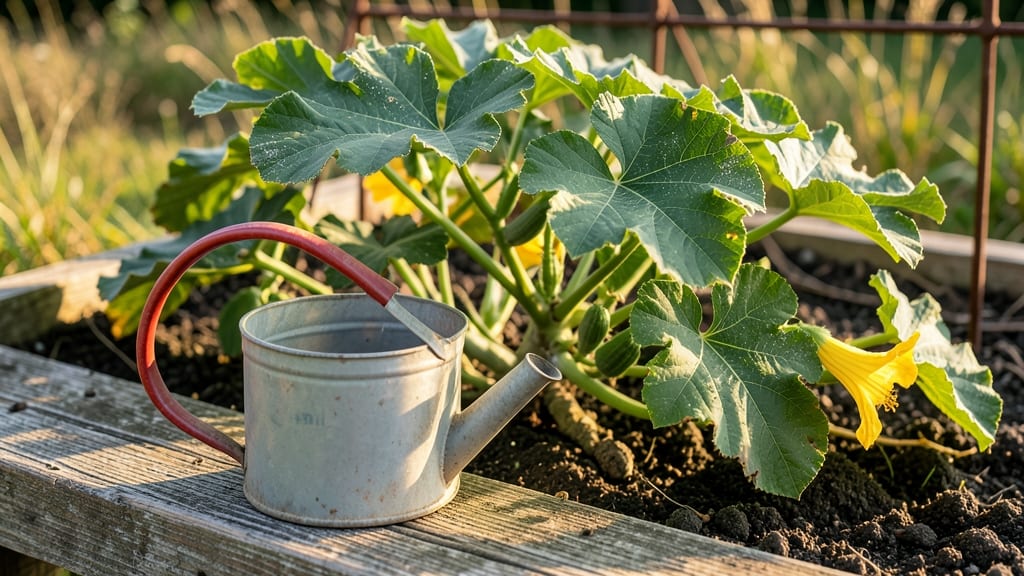
Squash plant problems—like dropping blossoms and yellowing leaves—can feel like a total mystery until you know the four most common culprits. 🌱 I’ve lost more squash blossoms than I’d like to admit, but these quick fixes saved my harvest last summer. when my zucchini plants were throwing flowers like confetti without producing a single fruit.
The real culprits are usually powdery mildew (that white dust on leaves), squash vine borers (sudden wilting that spreads fast), nutrient imbalances (especially too much nitrogen), or temperature swings (blossoms drop when it’s too hot or cold).
Each problem has a specific solution—some take minutes, others require a few days of watchful care.
By the end of this, you’ll know exactly how to diagnose the issue, whether it’s a fungal spray, handpicking pests, or adjusting your fertilizer.
The best part? These fixes work for both summer and winter squash, and you’ll see results within a week or less if you catch the problem early.
No more wasted effort or empty vines—just healthy plants and a harvest that actually shows up. Let’s get those squash producing again!
Root Causes of Squash Struggles
Understanding why your squash plants act up is half the battle—once you know the real culprits, you can tackle them head-on. Squash plants are hardy but sensitive to specific stressors. Let’s break down the science behind the most common issues, so you can diagnose and fix them like a pro.
Squash plants thrive in well-drained soil, and when they sit in soggy conditions, their roots suffocate. Here’s why it happens:
- Root Rot: Excess moisture cuts off oxygen to roots, leading to Phytophthora or Pythium fungi.
These pathogens thrive in waterlogged soil, causing roots to turn black, mushy, and unable to absorb nutrients. - Nutrient Starvation: Waterlogged soil flushes away essential nutrients like nitrogen and potassium, leaving plants yellow and weak. - Blossom End Rot (Indirectly): While more common in tomatoes, poor drainage stresses plants, making them more susceptible to calcium deficiencies—even in squash.
🔍 Actionable Insight: Test your soil’s drainage by filling a container with potting mix, adding water, and timing how long it takes to drain. If it sits for more than 30 minutes, amend with perlite or sand.
Squash are heavy feeders, and deficiencies show up fast. Here’s what’s missing when leaves turn yellow or growth stalls:
| Symptom | Likely Deficiency | Why It Happens |
|---|---|---|
| Yellowing older leaves | Nitrogen (N) | Nitrogen fuels leaf growth; low levels cause chlorosis (yellowing) in mature leaves. |
| Yellowing new leaves | Magnesium (Mg) | Magnesium is crucial for chlorophyll; young leaves show symptoms first. |
| Purple stems/leaves | Phosphorus (P) | Phosphorus aids energy transfer; stress (like drought) worsens symptoms. |
| Weak stems, stunted growth | Potassium (K) | Potassium regulates water and disease resistance; deficiency leads to poor structure. |
💡 Pro Tip: A balanced 10-10-10 fertilizer (N-P-K) applied every 3–4 weeks keeps squash happy. For magnesium, use Epsom salt (1 tbsp per gallon of water) as a foliar spray.
Squash bugs, cucumber beetles, and aphids don’t just nibble—they inject toxins and spread diseases. Here’s how they sabotage your plants:
- Squash Bugs: Their piercing-sucking mouthparts inject bacteria (Erwinia tracheiphila), causing wilt and vine dieback. Adults lay eggs on undersides of leaves, hatching into nymphs that cluster and feast. - Cucumber Beetles: These striped pests transmit bacterial wilt, a fatal disease that clogs plant vascular systems.
They also chew leaves, leaving jagged edges. - Aphids: While less destructive, they excrete honeydew, a sticky residue that attracts sooty mold—a fungal growth that blocks sunlight.
⚠️ Warning Sign: Look for chewed leaves, black legions (frass), or wilting vines in the heat of the day. Early intervention (neem oil or row covers) prevents outbreaks.
Squash plants are warm-season lovers, and extreme conditions throw them into survival mode. Here’s how:
- Heat Stress: Temperatures above 90°F (32°C) cause blossom drop (flowers abort before pollination). High heat also reduces soil moisture, mimicking drought. - Cold Snaps: Squash roots are sensitive to temps below 50°F (10°C).
Chilling injury disrupts nutrient uptake, leading to yellowing and stunted growth. - Wind Burn: Fast-moving air desiccates leaves, causing brown, crispy edges (especially on young plants).
🌡️ Quick Fix: Use shade cloth in peak summer or row covers for early planting. Mulch with straw to regulate soil temp and retain moisture.
Fungal, bacterial, and viral diseases thrive in squash when conditions are right. Here’s the breakdown:
- Powdery Mildew: A fungal infection (Podosphaera xanthii) that appears as white, powdery patches on leaves. It spreads rapidly in humid, low-light conditions, blocking photosynthesis. - Downy Mildew: Another fungus (Pseudoperonospora cubensis) that causes yellow spots on topsides and fuzzy gray growth on undersides.
It loves cool, wet nights. - Bacterial Wilt: Spread by cucumber beetles, this disease clogs xylem vessels, causing sudden wilting—even in cool weather.
🛡️ Prevention: Rotate crops annually, avoid overhead watering, and use copper fungicide at the first sign of mildew. Remove infected plants immediately to prevent spread.
Quick Fixes for Common Squash Issues
Got squash plants acting up? Don’t panic—most problems have simple, effective solutions. Whether your leaves are turning yellow, flowers are dropping, or your vines look weak, these targeted fixes will help your plants bounce back.
Below, we map the most common squash plant problems to practical, step-by-step solutions—plus pro tips to keep your garden thriving.
Yellow leaves are often a cry for help, but the fix depends on the cause.
💧 Overwatering or Poor Drainage
Fix: - 🔥 Step 1: Let the soil dry out slightly between waterings.
Stick your finger 1–2 inches into the soil—if it’s soggy, hold off on watering. - 🍳 Step 2: Improve drainage by amending the soil with compost or perlite (mix in a 1:1 ratio with existing soil).
If planting in containers, ensure pots have drainage holes. - 👨🍳 Step 3: Water deeply but less frequently—aim for 1–1.5 inches per week, adjusting for rain. Use a soaker hose or drip irrigation to deliver water at the roots, avoiding wetting the leaves (which can encourage fungal diseases).
💡 Prevention Tip:
- 🌡️ Mulch around the base of your squash plants with straw or shredded leaves to retain moisture without overwatering. This keeps roots cool and reduces evaporation.
☀️ Underwatering or Heat Stress Fix:
- 🔥 Step 1: Water deeply in the early morning or late evening to avoid evaporation. Aim for moist (not waterlogged) soil at all times.
- 🍳 Step 2: Provide shade cloth (30–50% coverage) if temperatures exceed 90°F (32°C).
Squash plants wilt easily in extreme heat. - 👨🍳 Step 3: Boost humidity around your plants by mist-leafing (lightly spraying leaves with water in the morning) or placing a tray of water nearby.
💡 Prevention Tip:
- ✨ Choose heat-tolerant varieties like ‘Straightneck’ or ‘Butternut’ squash if you live in a hot climate. These handle heat better than delicate varieties.
🍄 Fungal Infections (Powdery Mildew or Downy Mildew)
Fix: - 🔥 Step 1: Remove infected leaves immediately—don’t compost them!
Seal them in a plastic bag and toss them in the trash. - 🍳 Step 2: Apply a fungicide spray (use neem oil or baking soda solution—mix 1 tsp baking soda + 1 quart water + a drop of dish soap—and spray on leaves). - 👨🍳 Step 3: Improve airflow by spacing plants 3–4 feet apart and pruning nearby foliage that blocks sunlight.
💡 Prevention Tip:
- 🎯 Water at the base (never overhead) and avoid planting squash in the same spot year after year to prevent soil-borne fungi.
Dropping flowers mean your squash isn’t pollinating—or the plant is stressed. Here’s how to turn things around.
🐝 Lack of Pollinators (Bees or Wind)
Fix: - 🔥 Step 1: Hand-pollinate your squash flowers.
In the morning, gently tap the male flowers (long stems) against the female flowers (small squash at the base). - 🍳 Step 2: Attract pollinators by planting bee-friendly flowers nearby, like marigolds, sunflowers, or basil. - 👨🍳 Step 3: If your garden is bee-free, try a small paintbrush to transfer pollen from male to female flowers.
💡 Prevention Tip:
- ✨ Plant squash near other flowering plants to encourage bees. Avoid pesticides, which can harm pollinators.
🌡️ Temperature Stress (Too Hot or Too Cold)
Fix: - 🔥 Step 1: Squash thrives in 70–85°F (21–29°C).
If nights dip below 55°F (13°C), cover plants with frost cloth or a lightweight row cover. - 🍳 Step 2: If days exceed 95°F (35°C), provide afternoon shade with a breathable shade cloth. - 👨🍳 Step 3: Water consistently—stress from drought or heat shock causes blossom drop.
💡 Prevention Tip:
- 🌱 Start seeds indoors 2–3 weeks before the last frost, then transplant after soil warms to 60°F (15°C).
💧 Nutrient Deficiency (Too Much Nitrogen, Not Enough Potassium)
Fix: - 🔥 Step 1: Test your soil (a simple DIY kit from a garden center works).
Squash needs a balanced fertilizer (like 10-10-10) but too much nitrogen leads to lush leaves but no fruit. - 🍳 Step 2: Side-dress with compost or banana peels (rich in potassium) to encourage flowering and fruiting. - 👨🍳 Step 3: Reduce nitrogen—stop using high-nitrogen fertilizers (like blood meal) and switch to a low-nitrogen, high-phosphorus option (like bone meal).
💡 Prevention Tip:
- 📊 Follow a feeding schedule: Apply fertilizer every 3–4 weeks during the growing season, but stop 2 weeks before harvest to avoid bitter fruit.
If your squash vines are leggy, slow-growing, or collapsing, these fixes will get them back on track.
🌿 Poor Soil or Compaction
Fix: - 🔥 Step 1: Loosen compacted soil with a garden fork or tiller.
Squash roots need 6–12 inches of loose, well-draining soil. - 🍳 Step 2: Amend the soil with aged compost or worm castings to improve fertility and structure. - 👨🍳 Step 3: Add a balanced fertilizer (like 5-5-5) if growth is still sluggish.
💡 Prevention Tip:
- 🌱 Plant in raised beds if your native soil is heavy clay or sandy. Raised beds warm up faster in spring and drain better.
🐛 Pest Pressure (Cucumber Beetles, Squash Bugs, or Aphids)
Fix: - 🔥 Step 1: Handpick pests in the early morning when they’re sluggish.
Drop them in soapy water. - 🍳 Step 2: Use row covers (fine netting) to block beetles and squash bugs before they lay eggs. - 👨🍳 Step 3: Spray with neem oil or insecticidal soap (follow label instructions). Repeat every 5–7 days until pests are gone.
💡 Prevention Tip:
- 🎯 Interplant with pest-repelling herbs like basil, dill, or thyme to deter insects naturally.
- ⏰ Harvest promptly—overripe squash saps energy from the plant.
Pick zucchini when 6–8 inches long and winter squash when fully mature. - 🔄 Rotate crops—don’t plant squash (or other cucurbits) in the same spot year after year to prevent disease buildup. - 🌿 Monitor regularly—check leaves, stems, and flowers 2–3 times a week for early signs of trouble.
With these fixes, your squash plants should perk up, produce more flowers, and yield a bountiful harvest in no time! 🎉
Frequently asked questions
Why are my squash leaves turning yellow?
Yellow leaves usually signal either overwatering (roots suffocating) or nutrient deficiencies. Check soil moisture first—it should feel damp but not soggy. If leaves are yellowing from the bottom up, you likely need more nitrogen. For top yellowing, magnesium deficiency (try Epsom salt spray) or potassium issues (add banana peels to soil) may be the culprit.
What causes squash blossoms to drop without producing fruit?
Blossom drop happens due to temperature stress (above 90°F or below 55°F), lack of pollinators, or nutrient imbalances. Hand-pollinate flowers in the morning or plant bee-friendly flowers nearby. Also check your fertilizer—too much nitrogen promotes leaves over fruit.
How do I get rid of white powdery spots on my squash leaves?
That's powdery mildew, a fungal disease. Remove infected leaves immediately and apply a baking soda spray (1 tsp baking soda + 1 quart water + drop of dish soap). Improve airflow by spacing plants 3-4 feet apart and water at the base, never overhead. Copper fungicide works too for severe cases.
My squash vines are wilting suddenly—what's wrong?
Sudden wilting often means squash vine borers (larvae chewing stems) or bacterial wilt (spread by cucumber beetles). Cut open stems to check for borers. For bacterial wilt, remove infected plants immediately and avoid planting cucurbits in that spot for 3 years. Neem oil can help deter beetles.
Can I save a squash plant with root rot?
Root rot (black, mushy roots) is usually fatal, but you can try saving the plant by pruning back healthy growth and repotting in fresh, well-draining soil. Reduce watering immediately and add perlite to improve drainage. For severe cases, consider starting fresh with new plants—root rot spreads easily.