
Picking
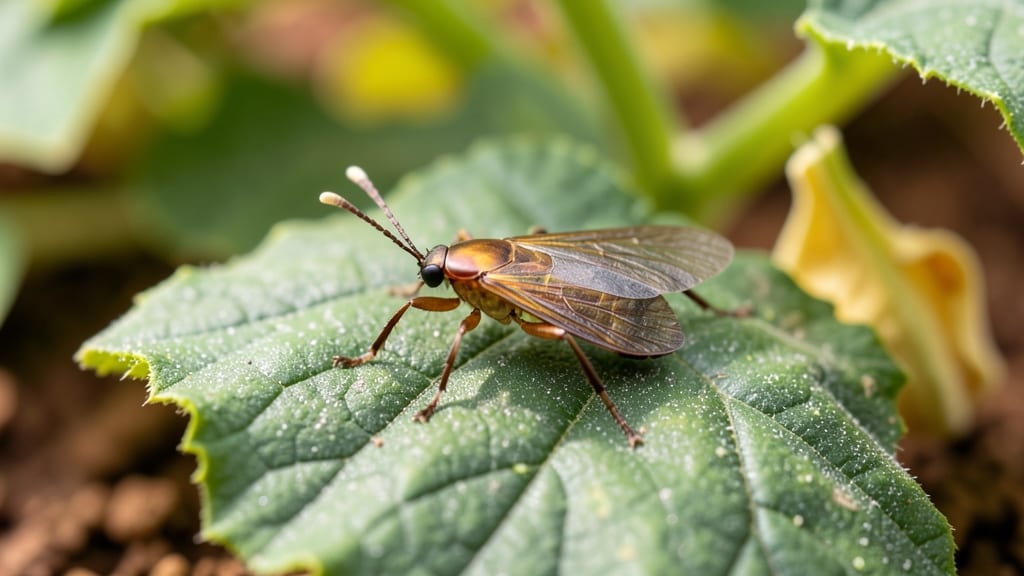
Mastering squash insect control is all about speed—these pests can strip your vines bare in days unless you act fast with a simple, chemical-free spray. 🌱 I’ve battled them for years, and the secret weapon isn’t harsh chemicals but a 5-minute mix that stops them dead. in their tracks (literally).
The key is targeting their soft bodies with the right mix of natural ingredients, applied at the first sign of trouble. Most gardeners wait until the damage is done, but squash bugs lay eggs in the soil starting in early summer.
A quick neem oil or insecticidal soap spray disrupts their life cycle before they hatch. For beetles, a kaolin clay barrier creates a gritty shield they can’t cross. The best part? These solutions work within 24 hours and keep working for weeks with reapplication.
You’ll see results almost immediately—no more chewed leaves, no more wilting vines. The spray is safe for edible plants (once dry) and even attracts beneficial predators like ladybugs. Plus, it’s zero-waste compared to chemical alternatives. No more losing your entire harvest to these sneaky pests.
Works for zucchini, summer squash, pumpkins, and winter squash alike. Here’s exactly how to mix, apply, and prevent future invasions—without sacrificing your garden’s health.
Root Causes of Squash Bugs
Squash plants—whether you're growing zucchini, pumpkins, or butternut squash—are a magnet for pests, particularly squash bugs (Anasa tristis). These flat, shield-shaped insects thrive in warm, humid conditions and can devastate your harvest if left unchecked.
Understanding why they target your garden is the first step to stopping them. Let’s break down the science behind their behavior and the conditions that make your squash plants their all-you-can-eat buffet.
Squash bugs are opportunistic feeders, and stressed plants are their favorite snack. When your squash vines are overcrowded, they struggle to compete for sunlight, water, and nutrients. This weakness makes them more vulnerable to insect attacks. Here’s why:
- Reduced vigor: Healthy plants produce natural defenses, like thicker leaves and bitter-tasting compounds that deter pests. Overcrowding weakens these defenses, making plants easier targets.
- Moisture retention: Dense foliage traps humidity near the soil, creating the perfect breeding ground for squash bugs. They lay eggs in clusters on the undersides of leaves—ideal when conditions are damp and warm.
- Nutrient competition: Competing plants deplete soil nutrients faster, leaving squash vines malnourished. Weak plants are less able to recover from insect damage, creating a cycle of decline.
Actionable fix: Space your squash plants 3–5 feet apart (depending on the variety) to improve airflow and reduce stress. Thin seedlings early to avoid overcrowding.
Squash bugs are masters of patience—they overwinter as adults in leaf litter, garden debris, or even under mulch. If you didn’t clean up last season’s plant remnants, you’re essentially inviting them back for a repeat performance. Here’s how it works:
- Hibernation hotspots: Adult squash bugs seek out sheltered, moist areas to survive winter. Leaves, stems, and compost piles provide perfect hiding spots.
- Early colonization: As soon as temperatures rise in spring, these bugs emerge and migrate to the nearest squash patch. If your garden is nearby, they’ll claim it as their territory.
- Egg-laying grounds: Females prefer to lay eggs on or near squash plants, but they’ll settle for old vines or even weeds if fresh hosts aren’t available. This means lingering debris can extend the pest season.
Actionable fix: In late fall or early spring, remove all squash plant debris, including vines, leaves, and even fallen fruits. Compost them away from your garden to break the cycle.
Squash bugs adore heat and moisture—two conditions that often overlap in garden beds, especially in late summer. Their life cycle accelerates under these conditions, leading to rapid population explosions. Here’s the science:
- Faster reproduction: Squash bugs lay eggs in clusters (called "egg masses") that hatch in 7–10 days under warm conditions. In humid environments, the nymphs (baby bugs) thrive and mature quickly.
- Reduced natural predators: Many beneficial insects, like ladybugs or parasitic wasps, struggle in extreme heat or drought. Without these predators, squash bugs face little competition.
- Soil moisture retention: Mulched or waterlogged soil keeps humidity high near the plants, which squash bugs love. They’re often found crawling on the soil surface during the day when conditions are damp.
Actionable fix: Improve airflow around plants by pruning excess foliage and avoid overwatering. If your garden stays consistently humid, consider drip irrigation to keep leaves dry.
Squash bugs aren’t picky—they’ll dine on cucumbers, melons, pumpkins, and even weeds in the cucurbit family, like wild gourds. If your garden has nearby weeds or neglected plants, they become a buffer zone for pests. Here’s why it matters:
- Pest reservoirs: Weeds like buffalo gourd (Cucurbita foetidissima) or morning glories can host squash bugs year-round, providing a steady population that spills over into your garden.
- Delayed detection: Bugs on weeds may go unnoticed until they’ve already infested your squash. By then, the damage is often severe.
- Chemical cues: Some research suggests squash bugs use plant volatiles (chemical signals) to locate hosts. Weedy areas may emit similar signals, luring them closer.
Actionable fix: Remove weeds, especially those in the cucurbit family, within a 10-foot radius of your squash patch. Regularly scout for early signs of bugs on neighboring plants.
By addressing these root causes—stress, debris, climate, and weeds—you’ll make your squash garden a far less appealing (and survivable) place for squash bugs. The next step? Discover natural sprays that disrupt their life cycle in minutes.
Quick Fixes for Squash Bugs
Squash plants are a gardener’s delight, but pests like squash bugs, aphids, cucumber beetles, and spider mites can turn your harvest into a nightmare. The good news? With the right strategies, you can eliminate these insects fast and keep your plants thriving.
Below, we’ve mapped out practical, natural solutions for common squash pests—plus prevention tips to stop them before they start.
Cause: These shield-shaped pests suck plant sap, weakening vines and leaving black excrement. Fix:
- Handpick adults and nymphs (🔥 early morning is best—they’re sluggish then).
- Drop them in soapy water (1 tbsp dish soap + 1 gallon water) to kill them instantly.
- Use row covers (🌡️ lightweight fabric) to block adults from laying eggs in spring.
- Apply neem oil spray (🎯 mix 1 tbsp neem oil + 1 tsp mild soap + 1 quart water)—reapply every 5–7 days.
💡 Pro Tip: Check the undersides of leaves—squash bugs love hiding there!
Cause: Tiny, clustered green/black insects that distort leaves and spread viruses. Fix:
- Spray with water (👨🍳 strong stream from a hose dislodges them).
- Introduce ladybugs (🐞 natural predators—buy them online or attract with dill/marigolds).
- Dab with rubbing alcohol (⏰ 70% isopropyl on a cotton swab—kills on contact).
- Try insecticidal soap (✨ 1.5 tbsp castile soap + 1 quart water—spray directly on clusters).
💡 Pro Tip: Aphids thrive in crowded plants—prune vines for better airflow!
Cause: Striped or spotted beetles chew leaves and spread bacterial wilt. Fix:
- Set yellow sticky traps (🎯 place near plants—beetles are drawn to yellow).
- Use diatomaceous earth (🔪 food-grade powder—sprinkle around base of plants; kills by dehydrating).
- Plant trap crops (🥘 radishes or nasturtiums—lure beetles away from squash).
- Apply kaolin clay spray (🌡️ makes leaves unappetizing—reapply after rain).
💡 Pro Tip: Beetles are worst in early season—cover young plants with row fabric!
Cause: Tiny red/orange pests spin webs and suck juices, causing stippled leaves. Fix:
- Spray with horticultural oil (🍳 1 tbsp oil + 1 tsp soap + 1 quart water—kills eggs and adults).
- Blast mites off with water (👨🍳 high-pressure spray—they hate moisture).
- Encourage predatory mites (🐞 release Phytoseiulus persimilis—sold at garden centers).
- Neem oil mix (✨ same as above—reapply weekly for severe infestations).
💡 Pro Tip: Mites love dry heat—keep plants well-watered to deter them!
- Rotate crops (🌱 don’t plant squash in the same spot yearly—breaks pest life cycles).
- Clean up debris (🧹 remove old vines and leaves—hides overwintering pests).
- Interplant with herbs (🌿 basil, thyme, or marigolds—repel many insects).
- Inspect plants weekly (🔍 catch problems early—5 minutes now saves hours later).
Final Thought: Most squash pests can be controlled without chemicals—just act fast and stay consistent! 🚀 For stubborn infestations, combine methods (e.g., handpick + neem oil + traps) for best results. Happy gardening!
Frequently asked questions
How do I know if my squash plants have squash bugs?
Look for flat, grayish-brown shield-shaped bugs on leaves or stems, especially along veins. Check the undersides of leaves for clusters of tiny nymphs (baby bugs) that look like tiny alligators. You’ll also spot black excrement on leaves and wilting vines. Early signs include yellowing edges on leaves, which appear before the bugs become visible.
Can I use neem oil on squash plants that are already flowering?
Yes, but apply it early in the morning when flowers are closed to avoid harming bees. Neem oil is safe for edible plants once dry, and it won’t affect pollination if used correctly. For extra caution, avoid spraying flowering squash varieties after 10 AM when bees are most active. Always test a small leaf area first.
What’s the fastest way to stop squash bugs from spreading?
Combine handpicking adults (drop them in soapy water) with a neem oil spray (1 tbsp oil + 1 tsp soap per quart of water). For immediate results, add kaolin clay (1 lb per gallon) to create a protective barrier. Reapply all treatments every 5-7 days and remove any egg masses (tiny brown clusters) you find on leaves.
Will companion planting really keep squash bugs away?
Plant nasturtiums, marigolds, or radishes nearby as trap crops—they attract squash bugs away from your main plants. Basil and thyme also repel many squash pests with their strong scents. For best results, interplant these herbs within 2 feet of your squash vines and maintain healthy spacing to improve airflow.
How long does it take for homemade sprays to work?
Most natural sprays like neem oil or insecticidal soap show results within 24-48 hours for visible pests. However, they need 3-5 days to fully disrupt egg-laying cycles. For stubborn infestations, reapply every 5 days and combine with physical removal methods. Consistency is key—one treatment won’t eliminate an established population.