
Tools
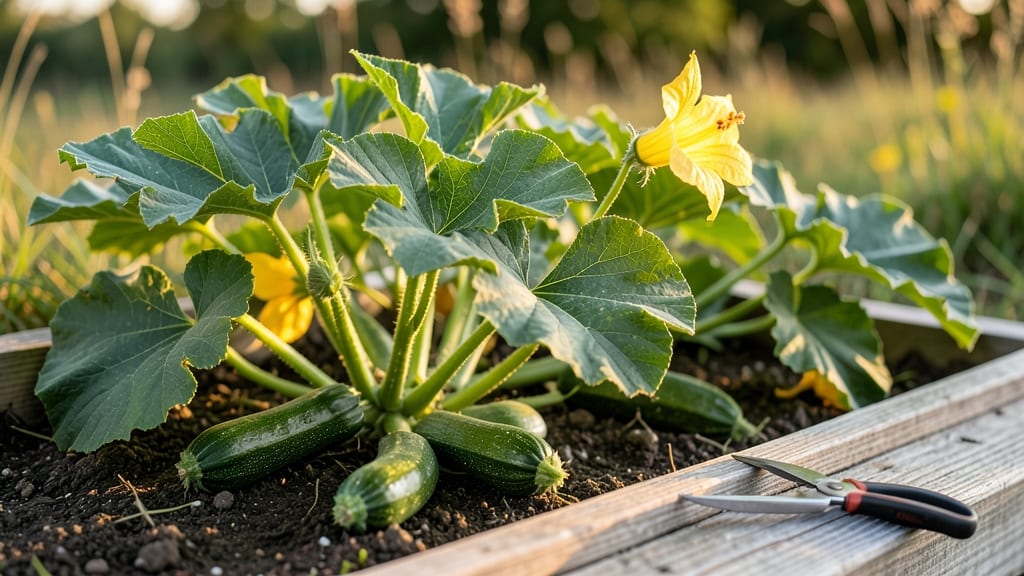
Even in the shadiest corner of my garden, squash in the garden thrives—last summer, I turned a neglected patch under my oak tree into a lush harvest of delicata and pattypan. 🌿 required.
These varieties love partial shade and actually prefer cooler conditions, making them perfect for spots where tomatoes and peppers struggle.
The secret lies in moist, well-draining soil and consistent watering—think of it like keeping a sponge damp, not soggy. Most shade-tolerant squash need 6-8 hours of dappled light, and they’ll reward you with sweet, tender fruits that ripen slower in cooler shade.
Start seeds indoors 4-6 weeks before last frost, then transplant seedlings when soil warms to 60°F—they hate cold feet.
By midsummer, you’ll be harvesting glossy, vine-ripened squash that outshine anything from the store. The foliage stays lush and disease-resistant in shade, and you’ll avoid the powdery mildew that plagues sun-loving varieties.
Plus, these squash store well for weeks in a cool, dark place, so you’ll have homegrown goodness long after the growing season ends.
Works for containers, raised beds, or ground plots—just ensure vines have room to sprawl (or train them up a trellis if space is tight). Here’s how to set up your shade-friendly patch for foolproof success.
📚 In This Guide
- What you need
- Instructions
- Tips and common mistakes
- Wrapping up and next steps
What you need
- ● Shade-tolerant squash seeds: 1–2 packets of Cucurbita pepo varieties like ‘Black Beauty’ zucchini or ‘Warty Squash’ (3–5 seeds per plant, ~10–15 total).
- ● Cucurbita moschata options like ‘Butternut’ or ‘Sugar Pie’ (slower to mature but great for partial shade).
- ● Well-draining soil: 1–2 cubic yards of compost-amended garden soil (aim for pH 6.0–6.8).
- ● Organic mulch: 2–3 inches of straw or shredded leaves to retain moisture and suppress weeds.
- ○ Compost or balanced fertilizer: 5–10 lbs of 10-10-10 or compost tea per 100 sq ft (optional but helpful).
- ● Garden trowel or transplanting spade (for digging holes ~1–2 inches deep).
- ● Gloves (to protect hands from prickly vines).
- ● Watering can or hose with a gentle spray nozzle (squash hates soggy roots!).
- ○ Row cover or shade cloth (20–30% shade fabric, optional for extra protection).
- ○ Trellis or stakes (optional, for bushier varieties like ‘Eight Ball’ zucchini).
- ● At least 4–6 hours of dappled sunlight (morning sun is ideal).
- ● Space: 3–5 sq ft per plant (or 10–12 sq ft if vining).
- ● Warm soil temps: Wait until after the last frost (soil should be ~60°F/15°C).
- ● Pro tip: 💡 Test soil moisture—squash needs 1–2 inches of water weekly, but avoid waterlogging!
Step-by-Step guide to growing shade-tolerant squash in dark garden corners
Here’s how to coax thriving squash vines in low-light spots—no full sun required.
🌱 Step 1: Select the Right Shade-Loving Varieties
Not all squash tolerate shade, but bush varieties like ‘Early Prolific Straightneck’ or ‘Table Queen’ zucchini thrive with just 4-6 hours of morning sun. Avoid sprawling types like butternut—they need more light to set fruit. I always check seed packets for the term “bush” or “compact,” as these are bred for smaller spaces. Plant seeds 1 inch deep, spacing them 2-3 feet apart to prevent overcrowding and disease.
If your garden corner gets dappled shade, try ‘Black Beauty’ summer squash or ‘Golden Delicious’ acorn squash. These varieties tolerate partial shade better than full-sun types. The key is choosing squash that prioritize leaf growth over fruit production—since leaves are the powerhouses for photosynthesis in low light.
🪴 Step 2: Prepare Soil for Maximum Nutrient Uptake
Shade-loving squash still need rich, well-draining soil to compensate for lower light. Mix 2-3 inches of compost into the top 6 inches of soil before planting. I swear by a blend of 50% garden soil, 30% compost, and 20% perlite to keep roots aerated. Squash are heavy feeders, so I also add a handful of 5-10-10 fertilizer at planting time to give them a nutrient boost.
Test your soil’s moisture retention—squash roots rot easily in soggy conditions. If your garden corner stays damp, raise beds 6-12 inches or plant in containers with drainage holes. The goal is soil that holds moisture but doesn’t stay waterlogged. A simple squeeze test works: if soil crumbles when pressed, it’s ready.
☀️ Step 3: Optimize Light and Airflow for Fruit Set
Even shade-tolerant squash need bright indirect light to produce fruit. Place plants near a north-facing wall or under dappled tree canopy where they get morning sun and afternoon shade. If your corner is deep shade, supplement with a reflective surface (like white plastic sheeting) to bounce light onto leaves.
Airflow is critical—crowded plants develop powdery mildew faster in shady spots. Space vines 3-4 feet apart and prune lower leaves to improve circulation. I also stake tall varieties with tomato cages to keep foliage off the ground, which prevents rot. Watch for yellowing leaves—this often signals either too much shade or nutrient deficiency, not just poor light.
💧 Step 4: Water and Feed Strategically for Shade Conditions
Shade slows evaporation, so squash need consistent moisture—1-1.5 inches per week, delivered at the soil level (not leaves). I water early morning to prevent fungal issues and mulch with 2 inches of straw to retain moisture. Overhead watering in shade can lead to blossom-end rot, so a soaker hose is my go-to.
Fertilize every 3-4 weeks with a balanced liquid feed (like fish emulsion) to compensate for reduced photosynthesis. Stop fertilizing 4 weeks before harvest—too much nitrogen late in the season leads to leafy growth at the expense of fruit. You’ll know you’re on track when vines produce healthy yellow flowers—these are the precursors to squash.
✂️ Step 5: Harvest and Maintain for Continuous Production
Shade-grown squash ripen slower, so check for ready-to-harvest signs like firm skin and vibrant color. Zucchini should be 6-8 inches long; acorn squash 8-10 inches in diameter. Harvest with a sharp knife, cutting the stem 1 inch above the fruit to avoid damaging the vine. Regular picking encourages more production—don’t let squash grow past their prime.
If vines slow down in late summer, give them a final feeding of compost tea to boost energy. Remove any yellowed or diseased leaves immediately to protect the rest of the plant. With the right variety and care, your shade corner can yield just as much squash as a sunny bed—you just have to work with the light you’ve got.
Tips & tricks for perfect shade-grown squash
Here's what nobody tells you about getting the most from your shade-loving squash varieties.
Variety Selection: The 4-6 hours of morning sun mentioned in Step 1 is non-negotiable for fruit production. If your garden corner gets less than that, consider supplementing with a small grow light for 2-3 hours daily during flowering. I've seen 'Early Prolific Straightneck' produce just as well with this extra light boost as full-sun varieties get naturally. The key is timing—focus on the morning hours when sunlight is most intense.
Soil Preparation: Don't skimp on the soil blend from Step 2. The 50-30-20 ratio of garden soil, compost, and perlite creates ideal conditions for shade-grown squash. For containers, use a mix that's 60% potting soil, 30% compost, and 10% perlite—this gives you the same aeration without worrying about drainage holes. I've found that adding a handful of worm castings to the mix gives plants an extra nutrient boost that shows in fruit quality.
Light Optimization: When placing your plants near north-facing walls as suggested in Step 3, position them so the wall reflects light onto the leaves during the critical morning hours. For deep shade areas, I've had success using white plastic milk jugs (cut in half) as reflective surfaces. These work better than sheeting because they're portable and can be adjusted as the sun moves across the sky. The goal is to maximize the 4-6 hours of light you already have.
Harvest Timing: The 6-8 inch size for zucchini and 8-10 inch diameter for acorn squash in Step 5 are perfect targets, but don't wait until the very top of that range. Shade-grown squash ripen more slowly, and larger sizes often mean tougher flesh. I check plants every 2-3 days during peak production—when I see the first signs of firmness and color change, I harvest immediately. This prevents the vines from diverting energy to seed production, keeping them focused on fruit development.
Pro Tips for Squash In The Garden
- Here's what nobody tells you about getting the most from your shade-loving squash varieties.
- Variety Selection: The 4-6 hours of morning sun mentioned in Step 1 is non-negotiable for fruit production.
- Soil Preparation: Don't skimp on the soil blend from Step 2.
Frequently asked questions
Got questions about growing shade-loving squash in your garden’s dark corners? You’re not alone! Here are some of the most common queries—and their straightforward answers—to help you grow confidently, even in low-light spots.
What are the best squash varieties for shady gardens?
Look for Cucurbita pepo varieties like ‘Black Beauty’ zucchini or Cucurbita moschata types such as ‘Butternut Warty’. These tolerate partial shade better than sun-loving squash. For extra shade, try ‘Sunburst’ crookneck squash—it’s a crowd-pleaser with a sweet, tender flesh.
How long does it take for shade-grown squash to mature?
Shade can slow growth, but most squash varieties still mature in 50–70 days if given enough light (4–6 hours daily). ‘Table Queen’ bush-type squash is a faster option (45–50 days) and thrives in partial shade. Monitor vines for yellowing leaves—this could mean it’s time to harvest soon!
Can squash grow in full shade? Will they still produce fruit?
Full shade (<3 hours of sunlight) is a tough ask for squash, but some varieties may produce smaller yields. If you’re committed, try ‘Patio Star’ zucchini or ‘Golden Delicious’ summer squash, which are more adaptable. Expect fewer fruits, but they’ll still be edible! Consider supplementing with a grow light for 2–3 hours daily if possible.
What pests or diseases should I watch for in shady squash patches?
Shady, humid conditions can attract powdery mildew (white fungal spots) and squash bugs. Improve airflow by spacing plants 3–4 feet apart and remove infected leaves immediately. For bugs, handpick eggs (tiny flat ovals) from undersides of leaves. A neem oil spray can also help prevent issues.
How do I know when shade-grown squash is ripe and ready to harvest?
Check for these cues: Hard, glossy skin (for winter squash) or tender, edible skin (for summer squash). For zucchini, harvest when 6–8 inches long—overripe squash turns seedy and tough. Butternut squash is ripe when its rind can’t be pierced with a fingernail. Morning harvests prevent pests from feasting on your bounty!
What can I plant instead of squash if my garden spot is too shady?
If squash just won’t cooperate, try these shade-tolerant alternatives:
- Swiss chard (edible stems, colorful leaves)
- Malabar spinach (heat-loving, vine-like, but not true spinach)
- Lettuce (leaf varieties like ‘Black Seeded Simpson’)
- Radishes (fast-growing, great for succession planting)
Wrapping up and next steps
Growing squash in shady spots isn’t just possible—it’s rewarding! 🌱 From bushy zucchini to delicate hubbard varieties, these shade-loving plants prove that even the darkest corners of your garden can yield delicious harvests.
With the right prep, patience, and a few pro tips, you’ll soon be enjoying homegrown squash that rivals those grown in full sun.
Ready to level up your garden game? Start by testing a small patch of your shady area—plant a few seeds, track progress, and refine your approach. Before you know it, you’ll be the proud grower of thriving squash, proving that great things grow in the shade too!