
Plants
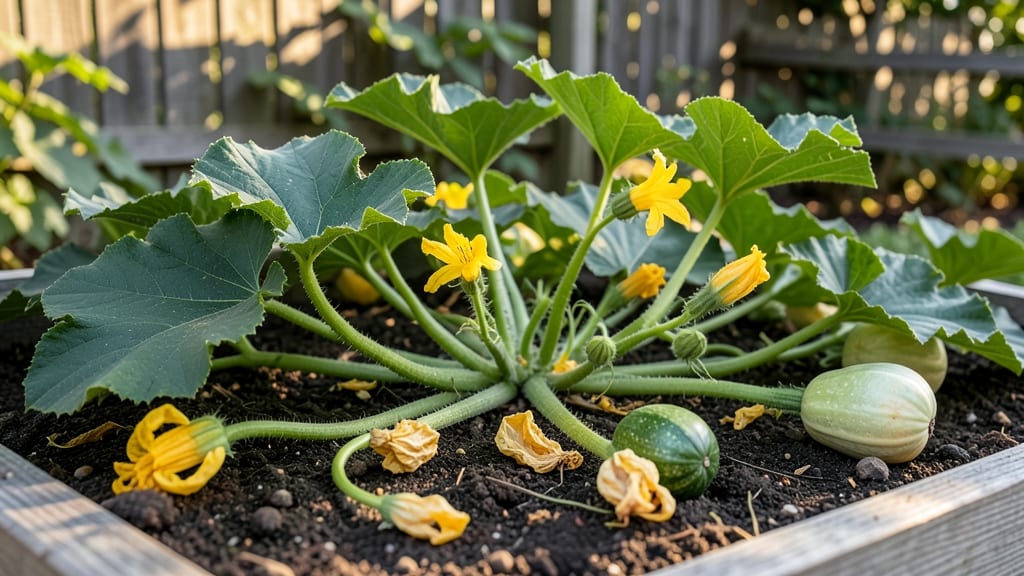
When your squash flowers are falling off like rain, your plants are either drowning or overheating—one day blooms, the next, bare vines. 🌿 I’ve seen this happen when summer hits unexpectedly.
The good news? It’s usually fixable with a few simple tweaks to water, shade, or even a little help from you.
Overwatering or sudden heat stress are the top culprits, but pests and nutrient imbalances play a role too. My zucchini plants once lost half their flowers in a heatwave until I added shade cloth and adjusted watering.
The key is watching for wilting leaves or dry soil before the flowers even think about falling.
You can still save the remaining blooms by hand-pollinating with a paintbrush or checking for pests like squash vine borers. Within a week, new flowers should appear, and those stubborn vines will start producing again—just like they did that first magical spring when our garden finally matured.
Even if some flowers drop, don’t panic. Squash plants are resilient, and with the right care, they’ll bounce back stronger. The secret? Pay attention to what your plants need in the moment—whether that’s shade, water, or a little extra love to keep the pollinators coming.
Root Causes Behind Dropping Blooms
Understanding why your squash flowers keep falling off starts with identifying the hidden triggers behind this frustrating garden behavior. These delicate blooms are sensitive to environmental shifts and physiological stress, and when conditions go awry, they simply detach to conserve energy.
Let’s break down the key culprits—each with a clear scientific explanation and actionable insights to help you intervene.
Squash flowers are highly temperature-sensitive, thriving in warm but not scorching conditions. When daytime temps exceed 90°F (32°C), the flowers may abscise (detach prematurely) to avoid energy loss in fruit development.
- Why it happens:
- High heat disrupts pollination efficiency—bees and other pollinators become sluggish, and the flowers’ reproductive structures weaken.
- Excessive heat triggers ethylene production, a plant hormone that signals flower drop as a survival mechanism.
- Nighttime temps below 55°F (13°C) can also stress plants, especially if days are hot but nights are cool—a classic case of "heat shock."
- Actionable fixes:
- Provide afternoon shade with row covers or temporary shade cloth (30-50% block) during peak heat.
- Mulch heavily with straw or grass clippings to keep soil temps stable (ideal: 60-75°F/15-24°C).
- Water deeply in the morning to cool the plant and prevent heat stress (avoid wetting flowers, which attracts pests).
While squash plants do need consistent moisture, overwatering—especially when combined with poor drainage—can suffocate roots and trigger flower drop.
- Why it happens: - Root asphyxiation: Waterlogged soil cuts off oxygen, leading to anaerobic conditions that weaken the plant’s vascular system. - Nutrient leaching: Excess water flushes out calcium and boron, critical for flower and fruit retention.
Calcium deficiency (a common issue in squash) causes blossom-end rot-like symptoms in flowers, leading to premature drop. - Fungal infections: Overly wet foliage encourages powdery mildew or downy mildew, which stress the plant into shedding blooms.
- Actionable fixes:
- Test soil moisture before watering—stick your finger 2 inches deep; if damp, wait.
- Improve drainage by amending soil with compost or perlite and ensuring raised beds or containers have drainage holes.
- Water at the base (not overhead) and early in the day to allow foliage to dry quickly.
- Apply a balanced fertilizer (10-10-10) if leaves show yellowing between veins (a calcium deficiency sign).
Squash flowers are heavy feeders, and even minor nutrient gaps can cause them to detach before pollination.
- Why it happens:
- Nitrogen excess: Too much nitrogen promotes leafy growth at the expense of flowers, leading to weak blooms that drop easily.
- Phosphorus shortage: This nutrient is essential for flower development; a deficiency stunts bloom formation and causes early drop.
- Potassium & magnesium deficits: These minerals help regulate water uptake and enzyme activity—without them, flowers become fragile and prone to abscission.
- Actionable fixes:
- Side-dress with compost or a low-nitrogen, high-phosphorus fertilizer (e.g., 5-10-10) when flowers first appear.
- Use Epsom salt (magnesium sulfate) as a foliar spray (1 tbsp per gallon of water) if leaves show yellowing between veins.
- Avoid synthetic fertilizers high in nitrogen (like lawn fertilizers) after the first few weeks of growth.
Even if flowers stay attached, they may drop if pollination doesn’t occur—or if pests damage reproductive structures.
- Why it happens: - Lack of pollinators: Squash relies on bees, butterflies, and even wind for pollination.
Fewer pollinators (due to pesticides, early/late seasons, or urban gardens) mean unfertilized flowers drop within 24-48 hours. - Pest damage: Squash vine borers, aphids, or spider mites can chew on flower buds or stems, causing them to detach prematurely. - Self-pollination issues: Some squash varieties (like butternut) are self-pollinating but inefficient—their flowers may drop if humidity is too high or too low.
- Actionable fixes:
- Hand-pollinate by gently transferring pollen with a paintbrush or cotton swab from male (long-stemmed) to female (tiny fruit at base) flowers.
- Attract pollinators with native flowers (marigolds, borage) and avoid neonicotinoid pesticides.
- Inspect plants daily for pests—remove egg masses (vine borers) or spray with neem oil for aphids.
If the main vine is overburdened or declining, it may sacrifice flowers to prioritize survival.
- Why it happens: - Too many fruits: A single squash vine can only support 3-5 mature fruits at a time.
If left unharvested, the plant drops excess flowers to conserve energy. - Disease or age: Older vines or those battling powdery mildew or cucumber mosaic virus may shut down flowering as a defense mechanism. - Transplant shock: Recently transplanted squash may shed flowers for 1-2 weeks while recovering.
- Actionable fixes:
- Harvest fruits promptly—remove any squash over 6 inches long to encourage new blooms.
- Prune damaged leaves to improve airflow and reduce disease spread.
- Replace old vines if they’re past their prime (typically 8-10 weeks for most varieties).
Not sure which cause fits your squash? Use this symptom checklist to narrow it down:
| Symptom | Likely Cause | Fix Priority |
|---|---|---|
| Flowers drop within hours of opening | Pollination failure or heat stress | Hand-pollinate + shade cloth |
| Yellowing leaves + weak stems | Overwatering or nutrient deficiency | Improve drainage + fertilize with P/K |
| Powdery white film on leaves | Fungal infection (overwatering) | Neem oil spray + reduce watering |
| No new flowers after harvest | Overripe fruits or old vine | Prune fruits + replace vine if needed |
| Drooping flowers in heat | Heat stress (90°F+ days) | Mulch + afternoon shade |
Pro Tip: 💡 Keep a garden journal! Track watering, temps, and flower drop patterns—this helps pinpoint triggers faster next season. Most gardeners see 80% fewer dropped flowers within 2 weeks of addressing the root cause.
Quick Fixes for Dropping Squash Blooms
Now that you understand why your squash flowers are falling off, let’s roll up our sleeves and get those vines back in action! The good news? Most of these fixes are simple, cost-effective, and can be done in under 30 minutes.
Below, we’ve matched common causes to their solutions—plus prevention tips to keep your squash plants thriving.
Problem: Too much moisture stresses roots, causing flowers to drop before pollination.
How to Fix It:
- 🔥 Check the Soil First Stick your finger 1–2 inches into the soil. If it’s soggy (like a damp sponge), it’s time to adjust. Squash plants prefer soil that’s moist but not waterlogged—think of a wrung-out dishcloth.
- 👨🍳 Adjust Your Watering Routine
- Morning watering is key: Water at the base (not the leaves) early in the day so foliage dries quickly, reducing fungal risks.
- Space out sessions: Water deeply 2–3 times per week (instead of daily light sprinkles) and let the top inch of soil dry out between waterings.
- Upgrade your pots (if potted): Ensure containers have drainage holes and use a mix of potting soil + perlite (20% perlite) for better airflow.
- 🥘 Improve Drainage Long-Term
- Amend heavy clay soil with compost or coconut coir.
- For container gardens, elevate pots on saucers or use fabric grow bags to prevent root rot.
💡 Pro Tip: If your plant is already waterlogged, hold off on watering for 3–4 days to let the soil recover. Mulch around the base with straw to retain even moisture without overdoing it.
Problem: Extreme temps (below 50°F or above 90°F) shock flowers, causing them to abort.
How to Fix It:
- 🌡️ Shield from Heat Stress
- Provide afternoon shade (especially in zones 8–11) with a lightweight shade cloth (30–50% block) or drip irrigation to cool leaves.
- Move potted plants to a spot with dappled shade during peak heat (12–4 PM).
- 🥶 Protect from Chill
- Use row covers or cloche tunnels for early/late-season planting.
- Avoid cold drafts: Keep plants away from AC vents or open windows at night.
- 🎯 Optimize Pollination
- Hand-pollinate flowers on hot days by gently brushing a paintbrush or cotton swab between male and female blooms (see how to spot them here).
✨ Bonus: Boost heat tolerance by side-dressing with compost or a balanced fertilizer (10-10-10) to strengthen vines.
Problem: Too much nitrogen (or deficiencies in phosphorus/potassium) weakens flowers.
How to Fix It:
| Issue | Quick Fix | Prevention |
|---|---|---|
| Leafy but no flowers (too much nitrogen) | Flush soil with water, then top-dress with bone meal (phosphorus) or kelp meal (potassium). | Switch to a low-nitrogen fertilizer (5-10-10) mid-season. |
| Yellowing leaves (magnesium deficiency) | Spray leaves with Epsom salt solution (1 tbsp/gallon water) weekly. | Add dolomitic lime to soil in fall. |
| Weak stems (potassium deficiency) | Feed with wood ash (sparingly) or banana peel tea. | Use a balanced fertilizer every 3–4 weeks. |
💡 Pro Tip: Squash are heavy feeders—side-dress with compost or a granular fertilizer when vines are 12 inches tall, then again when flowers appear.
Problem: Without bees or wind, flowers drop unpollinated.
How to Fix It:
- 🐝 Attract Pollinators Naturally
- Plant bee-friendly companions nearby: marigolds, borage, or nasturtiums.
- Avoid pesticides—opt for neem oil or soapy water sprays instead.
- 👨🍳 Hand-Pollinate Like a Pro
- Identify female flowers (tiny squash at the base) and male flowers (long stems).
- Use a paintbrush or cotton swab to transfer pollen from male stamens to female pistils.
- Best time: Early morning when flowers are open.
- 🌬️ Mimic Wind Pollination
- Gently shake plants on calm days to disperse pollen.
🎯 Prevention: Plant squash in blocks (not rows) to encourage cross-pollination.
Problem: Too many fruits or dense foliage starve flowers.
How to Fix It:
- 🍠 Thin Fruits Strategically
- Keep 3–5 healthy squash per plant (more = fewer flowers).
- Remove small, deformed, or diseased fruits first.
- 🌿 Prune for Airflow
- Trim yellowing leaves or suckers (side shoots) to reduce competition.
- Avoid cutting more than 1/3 of the plant at once.
- ⏰ Harvest on Time
- Pick squash when firm and fully colored—overripe fruits drain energy from new blooms.
💡 Pro Tip: If your plant is bolting (sending up a flower stalk), it’s signaling stress—check for root bound, heat, or water issues.
Final Reminder: Consistency is key! Combine water adjustments, climate control, and pollination help for the best results. With these fixes, your squash vines should bounce back—and soon, you’ll be swimming in blossoms (and future zucchinis!). 🎉
Frequently asked questions
Why do my squash flowers keep falling off even when they look healthy?
This often happens due to heat stress (above 90°F) or pollination failure. Flowers may drop within hours if they aren't pollinated by bees or wind. Try hand-pollinating with a paintbrush in the morning or providing afternoon shade with a lightweight cloth.
Is overwatering really making my squash flowers drop?
Yes! Waterlogged soil suffocates roots, causing nutrient leaching (especially calcium) and fungal infections. Test soil moisture by sticking your finger 2 inches deep—if damp, wait before watering. Improve drainage with compost or perlite, and water only at the base in the morning.
How can I tell if my squash plant needs more nutrients?
Look for yellowing leaves between veins (magnesium deficiency) or leafy growth with no flowers (too much nitrogen). Fix it by side-dressing with compost or using a low-nitrogen fertilizer (5-10-10). For magnesium, spray leaves with 1 tbsp Epsom salt per gallon of water weekly.
Will hand-pollinating my squash flowers actually work?
Use a paintbrush or cotton swab to transfer pollen from male (long-stemmed) to female (tiny fruit at base) flowers in the morning. This mimics how bees pollinate and can double your fruit yield, especially in hot or rainy weather.
How long does it take to see improvement after fixing the problem?
With proper care, you’ll typically see new flowers within 3-7 days. Focus on correcting the root cause (water, heat, or nutrients) and hand-pollinating existing blooms. Keep a garden journal to track progress—most gardeners notice a rebound within 2 weeks of adjustments.