
Container Gardens
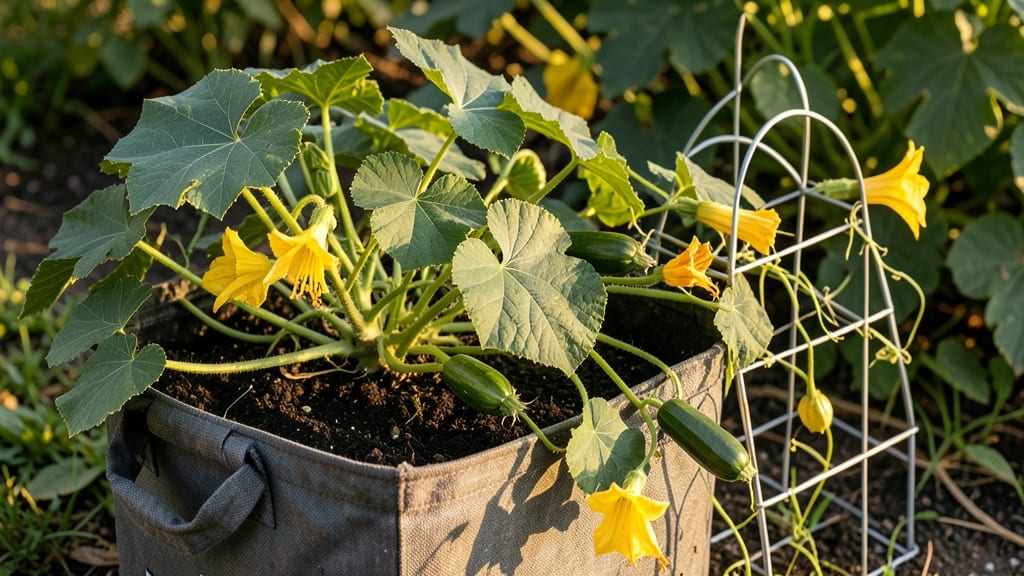
Choosing the right squash container size—5-gallon pots for bush types and 15-gallon buckets for vining varieties—can mean the difference between thriving plants and a mid-summer wilt. 🌿 I learned this the hard way when my zucchini plants circled their roots like a frustrated squirrel. their roots had nowhere to go.
The right container size isn't just about depth; it's about giving those sprawling vines room to anchor while keeping the soil warm enough for fast growth.
Fabric grow bags are my go-to because they breathe better than plastic and dry out faster, but wood barrels or sturdy plastic bins work too—just drill drainage holes if they don't have them.
Bush varieties like 'Eight Ball' squash thrive in 3-gallon pots, while vining types like 'Black Beauty' need at least 15 gallons to produce heavy fruit without toppling over. The deeper the better for roots, but wider containers prevent soil compaction and keep plants stable.
You'll harvest earlier and more consistently when roots aren't cramped, and the plants stay healthier with proper airflow. A 5-gallon pot gives bush types enough space to produce 6-8 squash, while 15-gallon containers can support 2-3 vining plants with proper pruning.
The key is matching container size to the plant's mature spread—not just its height.
Common mistakes? Underestimating root space, skipping drainage, or using flimsy containers that collapse under a single squash. Stick to heavy-duty materials and at least 12 inches of soil depth for reliable harvests. With the right setup, you'll be snipping zucchini from your balcony before your neighbors even plant theirs.
📚 In This Guide
- What you need
- Instructions
- Tips and common mistakes
- Wrapping up and next steps
What you need
- ● Container: 5-gallon fabric grow bags (2–3 per plant) or sturdy plastic/ceramic pots (minimum 12" diameter, 12" deep). Pro tip: ✨ Add drainage holes if using non-fabric containers!
- ● Soil: High-quality potting mix (1–2 bags, 1–2 cubic feet each) with compost or worm castings blended in.
- ● Squash Seeds/Seedlings: Compact varieties: ‘Eight Ball’ (bush type), ‘Sweet Dumpling’ (acorn), or ‘Table Queen’ (yellow crookneck).
- ● Quantity: 1–2 seeds per container (or 1 seedling per 5-gallon bag).
- ● Fertilizer: Balanced organic fertilizer (5-5-5 or 10-10-10) or compost tea for slow-release nutrients.
- ● Required: Gloves (to protect hands from prickly vines).
- ● Trowel or small shovel (for transplanting seedlings).
- ● Watering can with a fine rose (to avoid disturbing soil).
- ○ Optional (but helpful!): Trellis or tomato cage (for vining varieties like ‘Table Queen’ to save space).
- ● Mulch (straw or shredded leaves) to retain moisture.
- ● pH test kit (ideal soil pH: 6.0–6.8 for squash).
- ● Pruning shears (to trim excessive vines or yellow leaves).
- ● Sunny spot: 6+ hours of direct sunlight daily (south- or west-facing is ideal).
- ● Warm soil: Wait until nighttime temps stay above 55°F (13°C) (use a soil thermometer if needed!).
- ● Spacious base: Place containers on a tray or saucer to catch runoff (or use a drip irrigation system).
Step-by-Step guide to choosing and using containers for compact squash varieties
Growing squash in containers isn't just possible—it's thriving with the right space and technique.
🪴 Step 1: Select the Right Container Size and Type
For bush varieties like 'Eight Ball' or 'Patio Star,' aim for containers at least 12-15 gallons—think 24-30 inches deep with 18-24 inches diameter. I use fabric grow bags because they prevent root circling and allow excess water to evaporate through the walls. If using traditional pots, ensure they have multiple drainage holes—squash roots rot quickly in soggy conditions.
Depth matters more than width for squash. A 5-gallon bucket might work for tiny varieties like 'Bush Delicata,' but anything larger needs 18+ inches of soil depth to support vining growth. I always check the variety's mature size—compact bush types stay under 3 feet tall, while vining types need 5+ gallons minimum and 24-inch depth.
🌱 Step 2: Prepare the Container and Soil Mix
Fill your container with a lightweight, well-draining mix—I blend 60% potting soil, 30% coconut coir, and 10% perlite to prevent compaction. Avoid garden soil; it compacts in containers and suffocates roots. Moisten the mix until it feels like a wrung-out sponge—damp but not dripping.
Add a 2-inch layer of compost at the bottom for nutrients, then top with 1-2 inches of fresh potting mix. This prevents nutrient runoff while keeping roots in loose, aerated soil. I always pre-wet the mix before planting—dry soil clumps around roots, making transplant shock worse.
☀️ Step 3: Plant and Provide Support for Growth
Sow 1-2 seeds per container (or transplant a 4-6 week old seedling) 1 inch deep, spacing them 6-8 inches apart if planting multiple. Squash hate being crowded, so I thin to the strongest seedling once they develop true leaves. Use a small tomato cage or trellis for bush types—even compact varieties benefit from support to keep leaves off the ground and reduce disease risk.
Place containers in full sun (6+ hours daily) and protect from strong winds, which can snap tender vines. If your patio gets afternoon shade, opt for shade-tolerant varieties like 'Black Beauty' zucchini, which matures faster in cooler conditions. Watch for yellowing leaves—this usually signals overwatering or poor drainage, not nutrient deficiency.
💧 Step 4: Water and Fertilize for Container Success
Water deeply every 2-3 days, aiming for 1-2 gallons per container—enough to moisten 6 inches of soil depth. Let the top 1-2 inches dry out between waterings to prevent fungal issues. I use a soaker hose to avoid wetting leaves, which reduces powdery mildew risk. Mulch the soil surface with straw or shredded leaves to retain moisture and keep roots cool.
Feed with a balanced liquid fertilizer (10-10-10) every 2 weeks once flowers appear. Squash are heavy feeders, so I side-dress with compost at mid-season to replenish nutrients. Stop fertilizing 2 weeks before harvest—excess nitrogen makes fruit tough and bitter.
✂️ Step 5: Harvest and Maintain for Continuous Production
Harvest when squash reach full size but before seeds harden—this ensures tender flesh. Use pruning shears to cut stems, leaving 1 inch of stem attached to prevent rot. I check containers every 2-3 days in peak season; missed squash turn woody and inedible. After harvest, prune any yellow or diseased leaves immediately to redirect energy to new growth.
With proper care, one 15-gallon container can produce 6-10 zucchini or 4-6 small pumpkins per season. I always rotate containers annually to prevent soil-borne diseases. If space allows, grow two plants per container—just ensure they’re the same variety to avoid cross-pollination issues with hybrids.
Tips & tricks for perfect container-grown compact squash
Small-space gardening doesn't mean sacrificing a bountiful squash harvest—just a few strategic adjustments make all the difference.
Container Material Matters: Fabric grow bags excel for squash because their breathable walls prevent root-bound conditions and allow excess moisture to escape. If using traditional pots, opt for unglazed ceramic or plastic with drainage holes—glazed ceramic traps moisture, creating ideal conditions for root rot. I've seen squash plants in poorly draining containers develop fungal issues within weeks, so double-check your container's breathability before planting. The 12-15 gallon size recommendation in Step 1 gives roots enough room to spread without becoming root-bound.
Soil Depth is Non-Negotiable: The instructions emphasize 18+ inches of soil depth for a reason—squash roots grow deep to anchor the plant and access nutrients. If your container doesn't meet this, consider stacking two 5-gallon grow bags with a drainage layer between them. I once tried growing 'Eight Ball' squash in a 10-inch deep pot and watched the vines struggle to support themselves—always verify depth before planting. For bush varieties, this depth supports their compact growth habit while still allowing room for root expansion.
Support Systems Save Space: Even compact bush varieties benefit from lightweight trellises or tomato cages placed at planting (Step 3). This keeps foliage off the ground, reducing disease risk and allowing better air circulation. I've seen squash plants in containers double their yield when supported properly—those vines grow heavier than you'd expect! For varieties like 'Patio Star,' a 3-foot tall cage provides enough support without taking up additional ground space.
Watering Wisdom for Containers: The 2-3 day watering schedule in Step 4 can be tricky—containers dry out faster than in-ground plants. I've found that morning watering (before 10 AM) prevents fungal issues by allowing foliage to dry quickly. For hot climates, you might need to water daily, but always check the top 1-2 inches of soil—if it's dry, it's time to water. Overwatering is the #1 killer of container-grown squash, so err on the side of slightly drier soil rather than soggy conditions.
Pro Tips for Squash Container Size
- Small-space gardening doesn't mean sacrificing a bountiful squash harvest—just a few strategic adjustments make all the difference.
- Container Material Matters: Fabric grow bags excel for squash because their breathable walls prevent root-bound conditions and allow excess moisture to escape.
- Soil Depth is Non-Negotiable: The instructions emphasize 18+ inches of soil depth for a reason—squash roots grow deep to anchor the plant and access nutrients.
Frequently asked questions
Got questions about squash container size?
You’re not alone! Whether you’re a small-space gardener or just starting out, these common concerns can help you grow your best harvest—even in limited room. Here’s what you need to know:
What’s the ideal squash container size for bush varieties like zucchini or pattypan?
For bush squash, aim for a 5-gallon container (about 12–15 inches in diameter). This gives roots enough room to spread while keeping the plant stable. If you’re growing multiple plants, space containers at least 3 feet apart to prevent disease spread.
Can I grow vining squash (like butternut or spaghetti) in containers?
Yes! Vining squash thrive in 10–15 gallon containers (18+ inches wide) with trellises or sturdy cages. Choose compact varieties like ‘Waltham Butternut’ or ‘Tromboncino’ to save space. Just ensure the container has drainage and support for heavy vines.
How long does it take for squash to mature in containers?
Most container-grown squash mature in 45–60 days after transplanting, depending on the variety. Bush types like zucchini are faster (30–50 days), while vining squash may take longer (60+ days). Check seed packets for specific timelines and plant early for a longer harvest season.
What can I do if my squash plant outgrows its container?
If roots spill over the sides or the plant looks stressed, upgrade to a larger container (add 5+ gallons) or transplant into the ground if possible. Prune excess foliage to redirect energy to fruit, and ensure the container has fresh, well-draining soil. Avoid disturbing roots during transfers.
Are there squash varieties that grow well in 1–3 gallon containers?
Yes! Miniature or dwarf varieties like ‘Eight Ball’ zucchini or ‘Jack Be Little’ pumpkin thrive in 1–3 gallon containers. These are perfect for balconies or windowsills. Just expect smaller fruits—ideal for personal use or salads! Pair with dwarf beans or herbs to maximize space.
Wrapping up and next steps
Choosing the right squash container size can turn even the tiniest balcony or patio into a thriving garden! Compact varieties like ‘Eight Ball’ or ‘Jackpot’ prove that big harvests don’t need big spaces—just the right setup.
Whether you’re a beginner or a seasoned green thumb, these tips and FAQs will help you grow confidently.
Ready to get started? Grab your containers, pick your favorite variety, and watch those vines (and zucchinis!) flourish! 🌱 For extra inspiration, explore small-space garden layouts or join a local gardening group to share your progress.