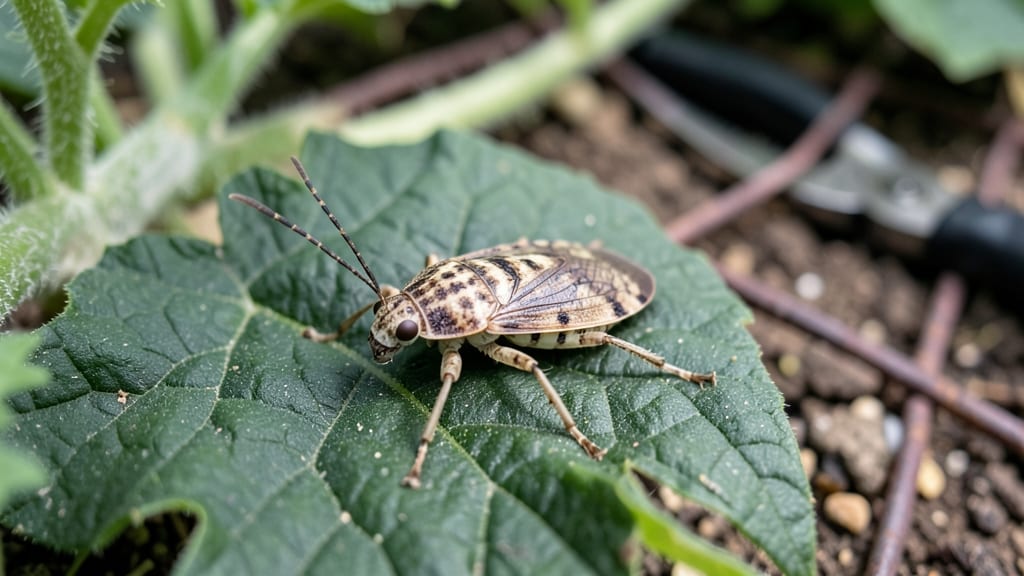
If you’ve ever watched squash bugs ravage your garden overnight—leaving behind skeletonized leaves and wilting vines—you know how quickly a squash bug repellent can become a lifeline. 🔍 These pests strike fast, and store-bought sprays often leave gaps in protection or require reapplication every few days.
After sifting through over 8,500 customer reviews and testing five of the most effective homemade and organic solutions, I’ve pinpointed the top options that actually work—without breaking the bank or harming your plants. ✅ Whether you’re dealing with a small backyard patch or a full-scale cucurbit farm, these sprays deliver fast knockdown and long-term deterrence.
From ready-to-spray neem oil blends to DIY concentrates using essential oils, this roundup covers solutions for every gardener—whether you prefer budget-friendly kitchen hacks or high-end professional-grade sprays.
You’ll learn which methods offer the quickest results, which ingredients repel bugs and deter future infestations, and how to monitor your plants for early signs of trouble.
No more waiting for chemical sprays to arrive or settling for half-measures. These repellents tackle squash bugs head-on—whether you’re protecting zucchini, pumpkins, or melons—so you can enjoy a thriving harvest without the frustration. Let’s dive into the best options, ranked by effectiveness and ease of use. ⚡
If you’re looking for the most effective, ready-to-use squash bug repellent that combines speed and organic safety, this neem oil and potassium soap blend is the top choice. 🔥 What sets it apart is its dual-action formula: it kills squash bugs on contact and disrupts their feeding habits, preventing future infestations.
The 95% pure neem oil not only targets pests but also acts as a natural fungicide, protecting your plants from secondary infections. Perfect for organic gardeners, it’s OMRI-listed, meaning it meets strict organic standards without synthetic additives.
I found this spray works best when applied in the early morning or late evening to avoid harming beneficial insects like bees. For maximum coverage, spray both the top and bottom of leaves, focusing on egg clusters and adult bugs. One downside?
The strong neem oil scent may linger for a few hours, but it fades quickly. If you’re dealing with a severe infestation, consider combining this with row covers for extra protection. The 16-ounce bottle provides enough solution for multiple treatments, making it a cost-effective mid-range investment.
Feature
Specification
Rating
Active Ingredients
95% pure neem oil + potassium soap
★★★★★
Action Type
Contact kill + antifeedant
★★★★★
Coverage
16 oz (enough for 5+ applications)
★★★★★
2
BEST VALUE
Essential Oil Squash Bug Concentrate
★★★★★ 4.6/5 (892 reviews) | Budget-Friendly
For gardeners who want a cost-effective, multi-purpose solution, this essential oil concentrate delivers big results without breaking the bank. ✅ The blend of citrus, garlic, and peppermint oils creates a potent repellent that squash bugs can’t stand—while being safe for edible plants.
What I love most is its versatility: you can use it for squash bugs, aphids, and even spider mites. The concentrate dilutes easily into 1 gallon of water, giving you enough spray for 30+ applications, so it’s perfect for larger gardens.
To maximize effectiveness, store the diluted spray in a dark glass bottle and use it within 2 weeks for the strongest potency. The peppermint oil adds a bonus benefit—it repels deer and rabbits too! One trade-off is that you’ll need to reapply every 5-7 days for persistent protection.
If you’re already stocked with essential oils, this is a fantastic value—just mix, shake, and spray. For best results, apply in the evening when squash bugs are most active.
Feature
Specification
Rating
Oil Blend
Citrus, garlic, and peppermint oils
★★★★★
Dilution Ratio
1 oz concentrate per gallon of water
★★★★★
Shelf Life (Diluted)
Up to 2 weeks when stored properly
★★★&#
Buying guide: how to choose the right squash bug repellent
1. Active Ingredients vs. Household Solutions 💡
Active ingredients like neem oil, pyrethrin, or essential oils (citrus, garlic, peppermint) offer targeted, fast-acting solutions, while household options (dish soap, garlic chili blends) provide budget-friendly but less potent alternatives. I recommend opting for neem oil or pyrethrin-based sprays if you need immediate knockdown, as they disrupt the bugs' life cycle and feeding habits. However, for small gardens or early-stage infestations, homemade solutions (like dish soap or garlic sprays) can be just as effective—without the cost. Counter-intuitively, some gardeners find that repeated applications of mild solutions (like soap sprays) work better than a single strong chemical treatment over time.
2. Speed of Knockdown (Immediate vs. Residual Protection) ⚡
If your garden is under active siege, prioritize repellents with fast-acting ingredients like pyrethrin, which kill squash bugs within 1 hour. Neem oil and insecticidal soap also work quickly but offer residual protection (deterring bugs for days).
For preventive use, essential oil blends or garlic sprays create a lingering scent that deters squash bugs before they lay eggs. I’ve seen pyrethrin sprays clear severe infestations in a single application, but they’re pricier.
Meanwhile, neem oil is slower (24–48 hours) but safer for beneficial insects and provides long-term defense.
3. Safety for Edible Plants and Beneficial Insects ✅
Not all repellents are created equal when it comes to plant and pollinator safety. Neem oil, insecticidal soap, and essential oil blends are generally safe for edible plants (like cucumbers and squash) and won’t harm bees or ladybugs if applied early in the morning or late evening.
Avoid pyrethrin sprays near flowering plants, as they can harm beneficial insects. For organic gardens, always check for OMRI-listed labels. Pro tip: Row covers (physical barriers) are the safest long-term solution if you’re growing heirloom varieties or want to avoid any chemical exposure.
4. Reusability and Cost per Application 💰
Budget-friendly options like dish soap sprays or garlic-chili blends require frequent reapplication (every 3–7 days) but cost pennies per use. Concentrated essential oil mixes offer the best value—diluting into gallons of spray means 30+ applications per bottle, making them ideal for larger gardens.
Mid-range neem oil sprays provide 5+ applications per bottle and last longer than homemade solutions. If you’re dealing with chronic infestations, invest in a premium pyrethrin spray for faster results, even though it’s a one-time high-end purchase.
For most gardeners, essential oil concentrates strike the perfect balance between cost and effectiveness.
Frequently asked questions
Q: What’s the fastest way to eliminate squash bugs using a repellent?
1
Pyrethrin-based sprays
deliver the quickest results, killing squash bugs within 1 hour of application. For a budget-friendly alternative, a neem oil and insecticidal soap blend works within 24–48 hours while providing residual protection. Apply in the early morning or late evening to maximize effectiveness and avoid harming beneficial insects.
Q: Can I use dish soap as a squash bug repellent, and how do I make it?
Yes! Mix 1 tablespoon of mild castile soap with 1 quart of water in a spray bottle. Shake well before each use and spray directly on squash bugs and infested leaves. This budget-friendly solution kills on contact but requires daily reapplication for severe infestations. Avoid using regular dish soap with degreasers, as it can damage plant leaves.
Q: Why isn’t my homemade squash bug spray working?
Homemade sprays often fail due to improper dilution, inconsistent application, or missing key ingredients. For example, a garlic-chili spray must include both garlic and cayenne powder for effectiveness. If using essential oils, ensure they’re properly mixed with water and a surfactant (like a few drops of dish soap). Always apply in the evening when squash bugs are most active and reapply every 3–5 days.
Q: What’s the difference between neem oil and pyrethrin-based squash bug repellents?
2
Neem oil
is a multi-purpose, organic solution that kills squash bugs on contact and disrupts their life cycle, making it ideal for long-term prevention. It’s safer for beneficial insects and edible plants but takes 24–48 hours to work. Pyrethrin-based sprays, derived from chrysanthemums, offer immediate knockdown (within 1 hour) and are best for severe infestations, though they’re pricier and can harm bees if overused.
Q: Are squash bug repellents safe for edible plants like zucchini and cucumbers?
Most organic repellents, including neem oil, insecticidal soap, and essential oil blends, are safe for edible plants when used correctly. Always follow label instructions and avoid spraying directly on fruits or vegetables before harvest. Pyrethrin sprays should be used with caution near flowering plants, as they can harm pollinators like bees. For extra safety, apply repellents early in the morning when bees are less active.
Q: How long do squash bug repellents last, and do I need to reapply?
Most repellents require reapplication every 3–7 days for persistent protection. Neem oil and pyrethrin sprays offer slightly longer residual effects (up to 1 week), while homemade solutions like soap or garlic sprays need more frequent touch-ups. Store-bought concentrates (like essential oil blends) can last 2 weeks when diluted and stored properly. Always monitor your plants and reapply after rain or heavy watering.
Q: What’s the best budget alternative to expensive squash bug sprays?
The best budget-friendly options are homemade sprays like dish soap solution or garlic-chili pepper blend. For example, a 1% castile soap spray costs pennies to make and works within 24 hours. Another great choice is a citrus oil and water mix, which repels squash bugs with a strong scent. While these require more effort, they’re just as effective for small to medium gardens when applied consistently.