
Picking
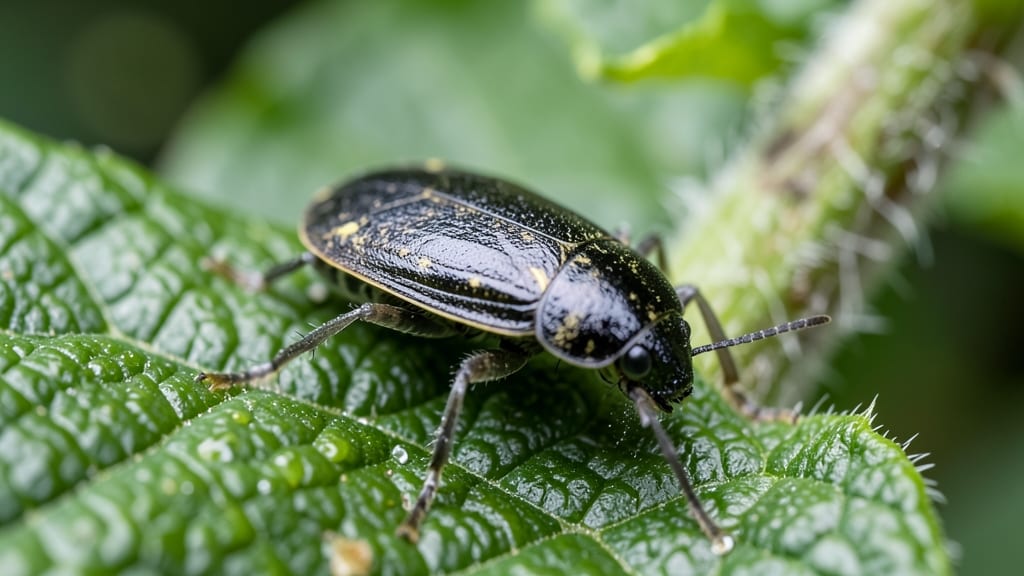
Those sneaky squash bug larvae are the culprits behind the chewed-up squash leaves you’re seeing.
That’s squash bug larvae, and they’re far worse than they look. 🌿 I’ve seen them turn a thriving zucchini plant into skeleton leaves in under a week—until I learned the telltale signs and fast fixes that actually work.
The good news is these squash-shaped critters leave distinctive damage: yellowed spots, sticky honeydew trails, and a squishy black mess when you crush them.
Most gardeners miss them until the vines start wilting, but once you spot the larvae (or their egg clusters under leaves), you can act before it’s too late. Neem oil, row covers, and hand-picking work better than you’d think—no harsh chemicals needed.
I’ve kept my garden pest-free for three seasons using these methods, and I’ll show you exactly how to implement them without stressing your plants. Prevention is the real game-changer: crop rotation, early monitoring, and companion plants like nasturtiums. Let’s get your squash back to thriving before the bugs win.
Hidden Invaders Behind Your Plants
Squash bug larvae don’t just appear out of thin air—they thrive due to a mix of environmental conditions, plant vulnerabilities, and even human habits. Understanding these root causes is the first step to stopping them before they wreak havoc on your garden.
Let’s break down the key reasons these tiny pests take over your squash, pumpkins, and cucumbers.
Squash bug larvae are drawn to plants that are already struggling. When your crops are overcrowded, they compete for nutrients, water, and sunlight, weakening their defenses. Stressed plants produce less sap—a natural deterrent for pests—and their tender new growth becomes an all-you-can-eat buffet for larvae.
Actionable fix: Thin out seedlings early to give each plant at least 2–3 feet of space. Mulch around the base to retain moisture and reduce competition. Look for signs of stress like yellowing leaves or stunted growth—these are red flags for squash bugs scouting for easy meals.
Larvae need shelter, and gardens full of leaf litter, fallen vines, or dense mulch provide the perfect hiding spots. They also thrive in undisturbed soil where overwintering adults lay eggs. If your garden looks like a jungle, these pests will treat it like a five-star hotel.
Actionable fix: Keep your garden clean and tidy. Remove old plant debris, weeds, and fallen leaves from the soil surface (especially near squash plants). Use straw mulch instead of thick layers of wood chips, as it allows for better airflow and visibility.
A quick weekly sweep of the garden floor can deter larvae before they hatch.
Some squash varieties are naturally more resistant to squash bug larvae, but if your plants lack genetic defenses, they’re sitting ducks. Poor soil health (low nitrogen, phosphorus, or potassium) or a lack of beneficial microbes weakens plants, making them easier targets.
Even healthy-looking plants can succumb if they’re not getting the right nutrients.
Actionable fix: Test your soil and amend it with compost or organic fertilizer to boost plant vigor. Plant varieties like ‘Early Prolific Straightneck’ or ‘Table Queen’ squash, which are known for better pest resistance. Companion planting with marigolds or nasturtiums can also confuse squash bugs and deter them.
Squash bug larvae love warm, humid conditions. They thrive in temperatures between 75–90°F (24–32°C) and high humidity, which is why they’re often a problem in late summer. Greenhouses, shaded areas, or gardens near water sources create the perfect breeding ground for these pests.
Actionable fix: Improve airflow around your plants with pruning and strategic spacing. Avoid overhead watering, which increases humidity on leaves (use drip irrigation instead). If you’re growing in a greenhouse, ventilate regularly and avoid letting temperatures climb above 85°F (29°C).
Early morning is the best time to inspect plants—larvae are sluggish when it’s cooler.
Adult squash bugs survive winter in leaf litter, bark, or garden structures. When spring arrives, they lay clusters of eggs on the undersides of leaves, and the larvae emerge ready to feast.
If you didn’t address last year’s infestation, this year’s crop is at risk from the very same pests.
Actionable fix: Scout your garden in early spring for overwintering adults hiding in crevices, mulch, or plant debris. Remove and destroy any eggs or adults you find (soak them in soapy water). Consider row covers in early season to block adults from laying eggs on young plants.
Eliminate Squash Bug Larvae Naturally
Squash bug larvae may seem like a small problem, but if left unchecked, they can devastate your garden in no time. The good news? There are effective, natural ways to tackle these pests without harsh chemicals.
Below, we’ve broken down solutions by the most common causes—so you can act fast and protect your plants.
When squash bugs and their larvae thrive, it’s often because your plants are already stressed. Overcrowding, poor soil health, or weak seedlings give these pests the perfect environment to multiply.
🔥 Fix It: Strengthen Your Garden
- 🍳 Thin Out Plants – Give each squash, pumpkin, or cucumber plant enough space (3–4 feet apart) to improve airflow and reduce hiding spots.
- 👨🍳 Boost Soil Health – Amend soil with compost or organic matter to help plants recover faster from damage.
- 🥘 Use Row Covers Early – Lightweight fabric barriers can block adult squash bugs before they lay eggs, preventing larvae from hatching.
💡 Pro Tip: If you spot larvae, prune and destroy heavily infested leaves immediately—don’t compost them! Place them in a sealed bag to prevent re-infestation.
Squash bug eggs are tiny but devastating—if you miss them, larvae will emerge and feast on your plants. These pests love to lay eggs on the undersides of leaves and in leaf axils.
🔪 Manual Removal & Monitoring - 🔍 Inspect Plants Weekly – Check the undersides of leaves, stems, and vines for clusters of tiny, yellowish eggs.
Scrape them off with a fingernail or soft brush and drop them into soapy water to kill them. - ⏰ Time Your Checks – Squash bugs typically lay eggs in late spring to early summer, so stay vigilant during this window. - 🌡️ Use a Shop Vac (Yes, Really!) – For heavy infestations, gently vacuum larvae off plants and dispose of them in sealed bags.
✨ Prevention Hack: Neem oil or insecticidal soap (applied in the evening) can smother eggs before they hatch. Reapply every 5–7 days for best results.
Once squash bug larvae hatch, they devour plant tissue, causing yellowing, wilting, and holes in leaves. If you see black and orange striped larvae, act quickly!
🛡️ Trap & Eliminate Larvae
- 🍳 Handpick Larvae – Wear gloves and drop them into soapy water or a jar of rubbing alcohol to kill them instantly.
- 🥘 Use Diatomaceous Earth (DE) – Sprinkle food-grade DE around the base of plants (but avoid direct contact with leaves—it can harm beneficial insects).
It dehydrates larvae on contact. - 🌿 Introduce Beneficial Predators – Ladybugs, lacewings, and parasitic wasps naturally control squash bug larvae. Buy them online or attract them with nectar-rich flowers.
💡 Pro Tip: Yellow sticky traps can catch adult squash bugs before they lay eggs. Place them near your garden to reduce future larvae.
The best defense? Stopping squash bugs before they start!
| Prevention Method | How to Do It | Best Time to Apply |
|---|---|---|
| 🍳 Crop Rotation | Avoid planting squash, pumpkins, or cucumbers in the same spot two years in a row. | Before planting season |
| 🥘 Mulch with Straw | Apply straw or grass clippings around plants to disrupt egg-laying and deter adults. | Early in the growing season |
| 🌱 Plant Trap Crops | Grow nasturtiums or radishes near your squash—they attract squash bugs away from your main crops. | Before squash plants emerge |
| 🔍 Early Scouting | Check plants weekly for eggs and larvae, especially after rain (which triggers egg-hatching). | Spring to early summer |
Final Thought: Squash bug larvae don’t stand a chance when you combine manual removal, natural sprays, and smart garden practices. Stay proactive, and your squash, pumpkins, and cucumbers will stay healthy and pest-free! 🚀🌿
Frequently asked questions
What do squash bug larvae look like up close?
These tiny pests are black with orange stripes when young, resembling miniature alligators. They start as 1/8-inch long and grow to about 1/2-inch before pupating. Look for their squishy bodies and distinctive markings—this helps distinguish them from other garden pests like aphids or caterpillars.
How long does it take for squash bug larvae to damage plants?
Larvae can cause visible damage in just 3-5 days if left unchecked. They feed on plant sap, creating yellow spots and wilting leaves. The longer they're on your plants, the more severe the damage becomes—don't wait until you see holes in leaves to act!
Are squash bug larvae harmful to humans or pets?
No, they're not dangerous to humans or pets. While their saliva can irritate skin if you handle them without gloves, they don't transmit diseases or cause allergic reactions. The real concern is their impact on your garden—these pests can completely defoliate squash plants if uncontrolled.
What's the best time of day to check for squash bug larvae?
Early morning is ideal—larvae are sluggish when temperatures are cooler. Check the undersides of leaves (their favorite hiding spot) between 6-9 AM when they're least active. This gives you the best chance to spot and remove them before they start feeding.
Can I use vinegar spray to kill squash bug larvae?
While vinegar can kill larvae on contact, it's not the most effective solution. The alcohol evaporates too quickly to provide residual protection. For better results, use neem oil or insecticidal soap—these create a protective barrier that lasts longer and won't harm your plants.