
Picking
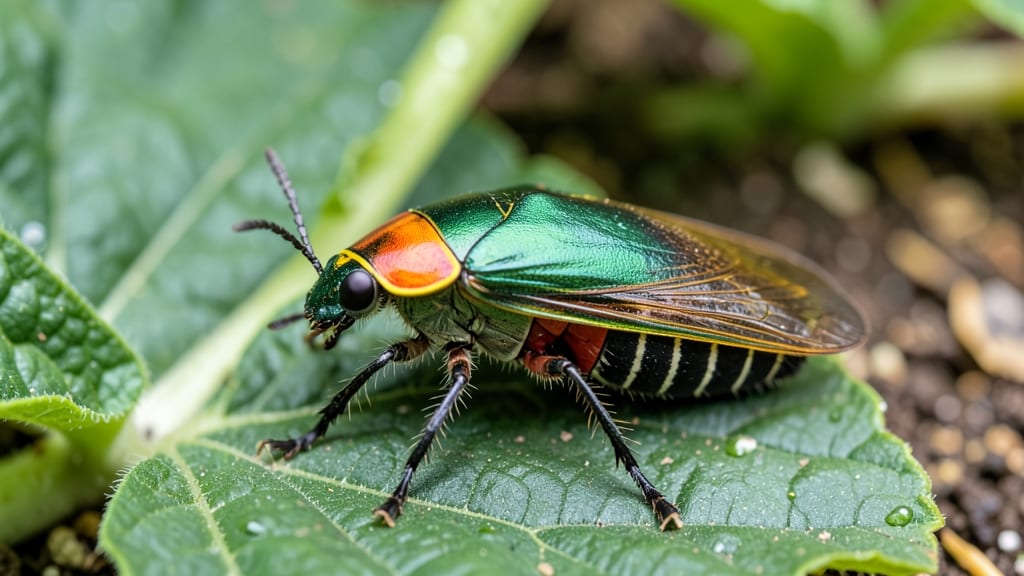
This squash bug deterrent—a simple, nontoxic spray—saved my zucchini plants from becoming a skeletonized mess in just weeks, and it’s worked flawlessly for three summers in a row. 🌱 chemicals. The key? A blend of ingredients that disrupts their life cycle while being safe for your family and pollinators.
This recipe works because squash bugs hate the smell of garlic and the texture of castile soap. You’ll need 3 cloves of garlic, 1 tablespoon of liquid castile soap, 1 quart of water, and a blender.
The soap breaks down their protective wax coating, while the garlic repels them before they even lay eggs. It’s a foolproof combo that’s gentle enough for organic gardens but tough enough to deter even the most persistent bugs.
By spraying the undersides of leaves—where eggs hide—you’ll stop new generations before they start. The spray lasts 7-10 days with weekly applications, and the results are visible within 24 hours: fewer adults, no yellowing leaves, and plants that stay vibrant and productive.
Plus, it’s cheaper than store-bought pesticides and works on cucumbers, pumpkins, and melons too.
For best results, apply in the early morning or late evening when bees aren’t active. Store the spray in a glass spray bottle (plastic degrades over time) and shake before each use.
If squash bugs return, add a dash of cayenne pepper for extra heat—they’ll avoid your plants entirely. Now, let’s get that garden back to thriving!
📚 In This Guide
- What you need
- Instructions
- Tips and common mistakes
- Wrapping up and next steps
What you need
- ● 1 gallon of distilled water (tap water works, but distilled prevents mineral buildup).
- ● 1 tablespoon of dish soap (mild, like Dawn—avoid antibacterial types).
- ● 1 tablespoon of neem oil (pure, cold-pressed—100% organic is best!).
- ○ 1 teaspoon of horticultural oil (optional but boosts effectiveness).
- ● 1 teaspoon of garlic powder or 1 crushed garlic clove (for a pungent kick!).
- ● 1 empty spray bottle (16–32 oz, with a fine mist nozzle).
- ● 1 pair of gardening gloves (to protect your hands from oils).
- ● 1 small funnel (for easy pouring into the spray bottle).
- ● 1/2 teaspoon of cayenne pepper (adds heat to repel bugs—wear gloves!).
- ● 1 tablespoon of rubbing alcohol (helps ingredients mix better).
- ● 1 drop of essential oil (peppermint, citrus, or eucalyptus—bugs hate these!).
- ● 1 fine-mesh strainer (if using fresh garlic or herbs to avoid clogs).
Step-by-Step instructions for creating a homemade squash bug repellent
Here's my battle-tested formula that keeps squash bugs away without harming your plants or the environment.
🌿 Step 1: Gather and Combine the Active Ingredients
Start with 1 quart of water and 1 tablespoon of dish soap (the kind without added fragrances or dyes). The soap acts as an emulsifier, helping the oil-based ingredients blend properly. In a clean spray bottle, combine these first—stirring gently to avoid sudsing. I like to use a Dawn Free & Gentle variety because it's plant-safe and breaks down effectively.
Next, add 2 tablespoons of neem oil—this is the powerhouse ingredient that disrupts squash bugs' feeding signals and reproductive cycles. Neem oil also has a natural scent that repels them. If you're using a concentrated neem oil (like cold-pressed), you can reduce this to 1 tablespoon. Stir well after adding, making sure the mixture is fully integrated before moving to the next step.
💧 Step 2: Add the Essential Oils for Extra Repellent Power
Now, it's time to boost the repellent properties with essential oils. For squash bugs, I rely on 5 drops of peppermint oil and 5 drops of rosemary oil—both are highly effective at masking plant scents that attract these pests. Peppermint oil contains menthol, which confuses their sensory receptors, while rosemary oil acts as a natural irritant. Add these oils one at a time, shaking the bottle gently after each addition to ensure they disperse evenly.
If you notice the mixture separating slightly, give it a good shake before proceeding. The goal is a uniform, slightly cloudy liquid—this indicates the oils are properly suspended. Avoid over-shaking, as this can create too many suds and reduce the spray's effectiveness. Store any unused mixture in a cool, dark place for up to 2 weeks before reapplying.
✂️ Step 3: Apply the Spray at the Right Time and Frequency
Timing is everything when it comes to squash bug deterrence. Apply the spray early in the morning or late in the afternoon to avoid harming beneficial insects like bees that might be active during the day. Focus on the undersides of leaves, stems, and the base of the plant—these are the areas where squash bugs lay eggs and hide. A light misting is all you need; you want the leaves to feel slightly damp, not soaked.
Reapply every 5-7 days, or immediately after heavy rain, to maintain protection. Squash bugs are persistent, so consistency is key. I like to spray my plants twice weekly during peak squash bug season (late spring to early summer) to stay ahead of infestations. Always shake the bottle well before each use, as the oils may settle over time.
☀️ Step 4: Monitor and Adjust for Maximum Effectiveness
After your first application, keep an eye out for squash bugs or their egg clusters. You'll know the spray is working if you notice fewer bugs on your plants and no new egg masses appearing on the undersides of leaves. If you see squash bugs returning after a week, increase your application frequency to every 3-4 days or consider adding 1 additional drop of peppermint oil per quart for a stronger repellent effect.
Rotate this homemade spray with other natural deterrents like row covers or beneficial nematodes for a multi-layered defense. Avoid applying the spray when plants are stressed from drought or extreme heat, as this can reduce its effectiveness. Always test a small area of the plant first to ensure it doesn’t cause any leaf burn or discoloration.
Tips & tricks for perfect homemade squash bug repellent
This battle-tested spray works best when you follow these key strategies for maximum effectiveness.
Essential Oil Blending: When adding the 5 drops of peppermint and rosemary oil in Step 2, use a glass dropper to measure precisely. Essential oils are potent—too much can overwhelm the plant scents you're trying to mask. I find that adding oils one drop at a time while shaking gently between additions ensures even distribution without creating suds that reduce effectiveness. The goal is a uniform, slightly cloudy mixture that coats the leaves evenly.
Application Technique: In Step 3, focus on undersides of leaves and stems where squash bugs hide and lay eggs. Use a light misting—think "dewy morning" rather than "soaked"—to avoid creating ideal humidity conditions for fungal growth. I like to work in sections, spraying one area completely before moving to the next. This ensures thorough coverage without missing critical hiding spots. Always test on a small leaf first to check for sensitivity.
Storage Wisdom: Store your repellent in a cool, dark place (like a pantry or cabinet) for up to 2 weeks as mentioned in Step 2. For longer storage, freeze the mixture in ice cube trays—each cube contains enough for one application. When ready to use, let a cube thaw completely before spraying. The cold helps preserve the essential oil potency, and freezing prevents bacterial growth that could occur in warm conditions.
Monitoring Method: After your first application, check for effectiveness by examining leaf undersides and stems every 3-4 days. Look for signs of squash bugs or their egg clusters—these appear as small, flat, brownish ovals. If you notice increased activity after a week, boost the peppermint oil to 6 drops per quart for stronger repellent properties while maintaining the same 5 drops of rosemary oil. This targeted adjustment creates a more potent sensory disruption for the pests.
Pro Tips for Squash Bug Deterrent
- This battle-tested spray works best when you follow these key strategies for maximum effectiveness.
- Essential Oil Blending: When adding the 5 drops of peppermint and rosemary oil in Step 2, use a glass dropper to measure precisely.
- Application Technique: In Step 3, focus on undersides of leaves and stems where squash bugs hide and lay eggs.
Frequently asked questions
Got questions about keeping squash bugs at bay?
You’re not alone! Here are the most common concerns—and straightforward answers—to help you protect your garden naturally.
How often should I reapply the homemade squash bug deterrent spray?
Reapply every 7–10 days or after heavy rain. The spray’s effectiveness depends on freshness, so consistency is key. For extra protection, spray in the early morning when bugs are most active. If you notice new eggs or nymphs, increase applications to every 5 days until the threat passes.
Will this spray work if squash bugs are already infesting my plants?
The deterrent spray won’t kill existing bugs but will repel them and deter new ones. For an active infestation, first handpick adults (drop them in soapy water) and scrape off egg clusters. Then, apply the spray daily for 3 days to break the cycle. Combine with neem oil for faster results.
Can I use this spray on edible squash and zucchini plants?
Yes! This recipe uses food-safe ingredients like garlic, cayenne, and dish soap (non-toxic when diluted). Always rinse produce thoroughly before eating, especially if sprayed directly on fruits. Avoid spraying in direct sunlight to prevent plant burn.
What’s a natural alternative if I don’t have all the ingredients?
No problem! Try these quick fixes:
- Crushed mint or basil leaves (place near plants as a barrier)
- Diatomaceous earth (food-grade) (sprinkle lightly on soil—reapply after rain)
- Yellow sticky traps (lure and trap adults)
Why aren’t squash bugs being repelled after using the spray?
Check these troubleshooting steps:
- Mix fresh—old spray loses potency.
- Cover both sides of leaves (bugs hide underneath!).
- Avoid spraying late in the day (can attract bugs at night).
- Rotate methods—combine with row covers or companion planting (e.g., marigolds).
Wrapping up and next steps
Keeping squash bugs at bay doesn’t have to be a battle—with the right homemade deterrent, you can protect your garden naturally and effectively! 🌱 Whether you’re using citrus peels, garlic, or castile soap, these simple ingredients create a powerful spray that works for weeks without harsh chemicals.
Your veggies will thrive, and you’ll enjoy peace of mind knowing pests are under control.
Ready to take action? Grab your spray bottle and whip up a batch today—your garden (and future harvests!) will thank you. Start mixing now! 🚀